Class 8 English - Poorvi (NCERT New Book 2026-27)
Chapter 6: Verghese Kurien - I Too Had A Dream (Unit: Values and Dispositions)
Hello Student! This chapter is a special letter written by Dr. Verghese Kurien (the “Father of the White Revolution”) to his grandson. It is taken from his autobiography I Too Had a Dream. The lesson teaches us about selfless service, hard work, courage to make the right choices, and following your dreams for the good of society. It is written in simple, inspiring language so you can easily understand how one man changed the lives of millions of farmers in India.
Let’s make this chapter super easy with detailed notes, word meanings, paragraph-wise explanation, NCERT activities & answers, summary, themes, and graphics/photos for better understanding. Just read step-by-step like your school notebook!
1. About the Author
Dr. Verghese Kurien (1921–2012) was an Indian social entrepreneur and engineer. He is called the Father of India’s White Revolution. He started the cooperative dairy movement in Anand, Gujarat, and created the famous brand Amul. His work made India the world’s largest milk producer. He received the Padma Vibhushan (India’s second-highest civilian award) in 1999. He believed in helping farmers and living a purposeful life.
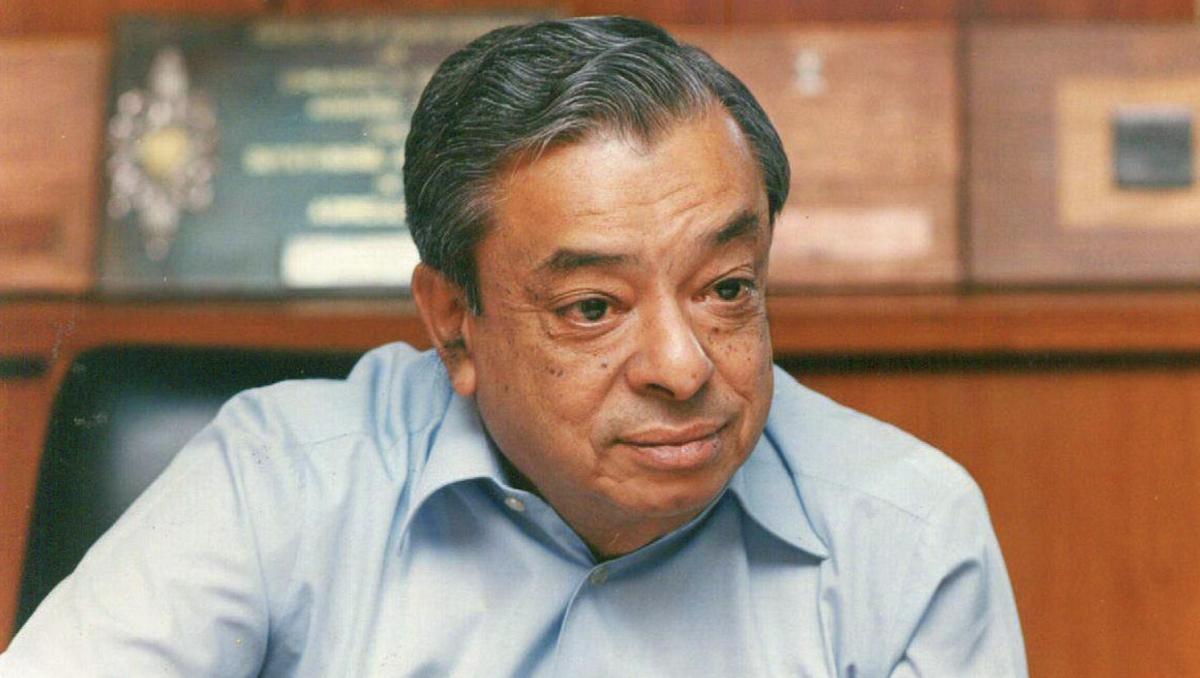
(Photo: Dr. Verghese Kurien – the inspiring leader of the White Revolution)
2. Theme / Main Idea (A to Z Simple)
- Dream big but serve others: Kurien had a dream to serve the nation instead of chasing money or comfort.
- Choice matters: He chose a difficult path in Anand to help farmers.
- Teamwork and cooperatives: Farmers together became strong (Amul success).
- Letter writing is special: In the fast world of phones and emails, a letter lasts forever and carries deep feelings.
- Failure is not the end: Learn from mistakes and keep going.
- Life is a privilege: Don’t waste it – use it for a bigger cause.
3. Detailed Summary (Easy Story in Your Words)
The chapter is written as a loving letter from grandfather (Dr. Kurien) to his grandson.
Kurien says today’s world loves instant things like phone calls, but a letter is better because you can read it again and again with joy. He tells how he started working soon after India became independent. He never planned to work with farmers, but life took him to Anand, Gujarat.
There he met his mentor, Tribhuvandas Patel, and saw the values of honesty and service. He decided to stay in Anand even though life was tough (no modern comforts). His wife (your grandmother) supported him fully. Together they built the Kaira District Co-operative Milk Producers’ Union – the beginning of Amul.
Through cooperatives, farmers got fair prices for milk. Kurien introduced new technology, modern dairies, and marketing. This became the White Revolution – India started producing so much milk that we became self-sufficient and even exported it!
He ends the letter by saying life is a privilege. Failure is not about not succeeding – it is about not trying. He shares his Padma Vibhushan moment and encourages his grandson (and you!) to discover your own dream and serve the nation.
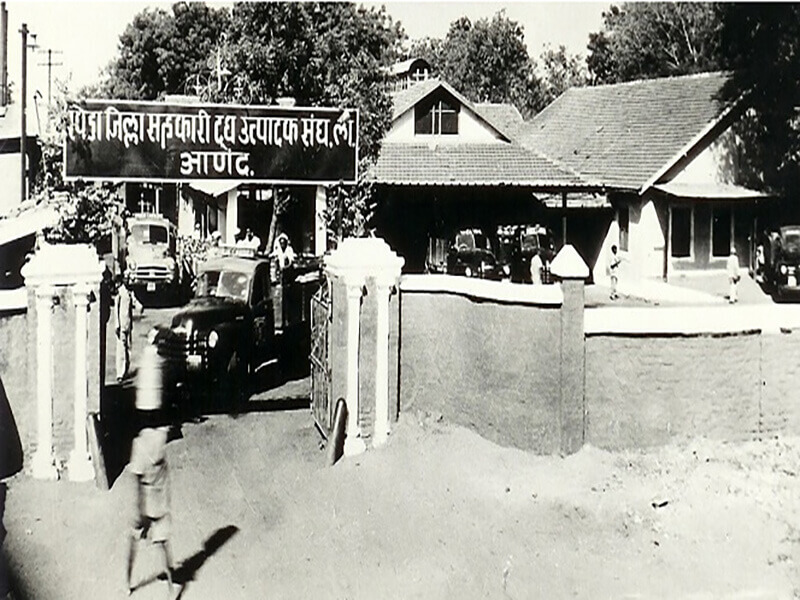
(Historical photo: Early days of the milk cooperative in Anand – the beginning of change!)
4. Vocabulary (Important Words – A to Z with Easy Meanings)
| Word | Meaning (Simple) | Example from Chapter |
|---|---|---|
| Fleeting | Lasting for a very short time | Joy from phone calls is fleeting |
| Abiding | Lasting for a long time | Abiding pleasure from letters |
| Ardent | Very enthusiastic | Grandmother’s ardent support |
| Poise | Grace and confidence under pressure | Shouldered responsibilities with poise |
| Envisioned | Imagined or planned | Not the career I had envisioned |
| Mentor | Wise and trusted guide | Tribhuvandas Patel was my mentor |
| Magnificent | Very impressive | Magnificent ceremony of Padma Vibhushan |
| Privilege | Special right or advantage | Life is a privilege |
| Selfless | Without thinking of personal gain | Selfless service to farmers |
| Cooperative | Group working together for common good | Milk producers’ cooperative |
5. Paragraph-wise Explanation (Easy to Remember)
Opening (Communication part): Kurien explains why writing letters is better than phone calls. Phones give quick but short joy. Letters become treasures you can keep and reread.
His early life: After Independence, he started government job. He was posted in Anand but wanted to leave. However, he saw the poor condition of farmers and decided to stay.
Meeting his mentor: He met Tribhuvandas Patel who ran a small cooperative. Kurien learned values of service and honesty. He felt this was meaningful work.
Family support: His wife (grandmother) gave up city comforts and stood by him. This gave him strength.
Building Amul & White Revolution: Farmers formed cooperatives. Kurien brought modern methods, veterinary help, and good marketing. Amul became a huge success. India’s milk production increased massively.
Closing message: He received Padma Vibhushan in 1999. He tells grandson: Discover your dream, serve others, and never waste life. Failure teaches us.

(Illustration: Farmers, cows, and Dr. Kurien – the heart of White Revolution)
6. NCERT Activities & Answers (Exactly as per Book)
Before We Read (Page 82) I. Timeline of communication: Carrier pigeons → Telegraph → Postcard → Telephone → Mobile phone → Email.
II. Discussion points (your answers can be similar):
- Changes happened because of new technology and need for speed.
- I like letters/emails because they can be kept forever.
- Social media is good for connecting but be careful of fake news and privacy.
Let us Discuss (Page 85) – Facts vs Opinions (Answers from book solutions):
- Opinion
- Fact
- Opinion
- Opinion
- Fact
- Opinion
- Opinion
- Fact
Let us Think and Reflect (Pages 86-88) Extract 1 Questions: (i) communication happens quickly but lacks depth (ii) C (iii) True (iv) C. The Lasting Joy of Written Words
Extract 2 Questions: (i) She supported him by living simply in Anand. (ii) truly values (iii) C. comforting (iv) “shouldered my responsibilities with poise”
Short Answer Questions (Full Answers):
- Padma Vibhushan award ceremony in 1999.
- It turned his life into a mission for farmers and made him a national hero.
- It shows his sense of duty, patriotism, and love for poor farmers.
- To share life lessons and inspire the grandson to live meaningfully.
- Yes, life is a gift – we should use it to help others and achieve something big.
- Selfless service creates big, long-lasting change in society (like White Revolution).
7. Extra Questions for Exam (Very Important!)
MCQ (1 mark):
- The chapter is in the form of a _______. (a) story (b) letter (c) poem → b
- White Revolution is related to _______. (a) milk (b) rice (c) oil → a
Long Answer (5 marks): Q. How did Dr. Kurien’s work in Anand change India? (Write 5-6 points with examples.)
8. Grammar / Language Highlight
- The chapter uses first-person narrative (I, my, me) because it is a letter.
- Lots of positive adjectives: magnificent, abiding, ardent, selfless.
- Learn idioms: “fleeting joy”, “shouldered responsibilities with poise”.
9. Values We Learn (For Moral Questions)
- Help others even if it is difficult.
- Family support is very important.
- Never give up on your dream.
- Cooperatives make weak people strong.

(Amul – The Taste of India! Symbol of the White Revolution success)
Final Tip for Students: Read the chapter once, then read these notes. Draw a mind map: Kurien → Anand → Mentor → Cooperative → Amul → White Revolution → Dream. Practice writing the letter in your own words. You will score full marks!
This is your complete A-Z notes – easy, colourful, and exam-ready. Study well and remember: You too can have a dream that changes the world! 🌟
Keep smiling and keep dreaming! Your friendly notes maker 😊