Class 8 English - Poorvi (New NCERT Book 2026-27)
Chapter 15: Bibha Chowdhuri: The Beam of Light that Lit the Path for Women in Indian Science
Easy-to-Understand Full Detailed Notes (Prepared like your classroom notebook – simple language, key points, pictures, word meanings, full questions-answers, and everything from the NCERT book. Read this once and you will remember the whole chapter forever!)
1. Before We Read (Page 233) – Warm-up Activities
Activity I: Qualities of a Scientist Scientists are curious, patient, hardworking, creative, logical, observant, and never give up. They love experiments and want to solve mysteries of the universe. (Imagine a word web: Curiosity → Patience → Observation → Dedication → Teamwork)
Activity II: Famous Women Scientists (Pictures in book)
- Kalpana Chawla: First Indian-origin woman in space (NASA astronaut).
- Dr. Tessy Thomas: “Missile Woman of India” – made Agni missiles at DRDO.
- Dr. Ritu Karidhal: “Rocket Woman of India” – led Mangalyaan (Mars Mission) and Chandrayaan-2 at ISRO.
- Dr. Indira Hinduja: First test-tube baby doctor in India.
These women show that girls can achieve anything in science!

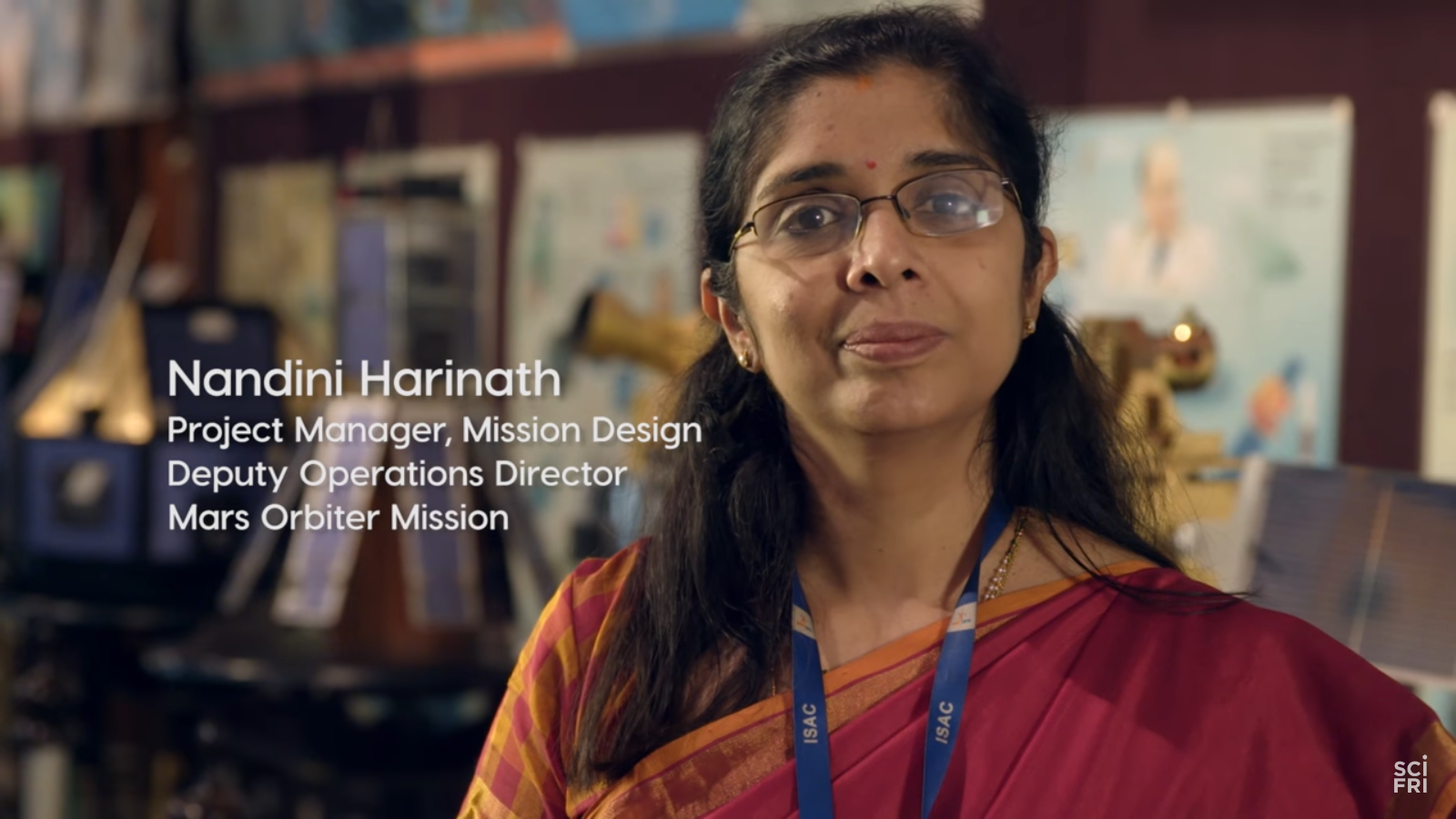
(Modern Indian women scientists at ISRO – they are the new “beams of light”!)
2. Quick Summary of the Chapter (In Simple Words)
This chapter is a biography (life story) of Bibha Chowdhuri – India’s first woman physicist. She was born in 1913 in Kolkata when India was under British rule and girls were not encouraged to study science. Bibha loved physics. She studied cosmic rays (high-energy particles from space) and worked with world-famous scientists. She became the first woman faculty at TIFR (Tata Institute of Fundamental Research). Her work was so good that Nobel Prize winner Erwin Schrödinger nominated her for the Nobel Prize! But in her lifetime (she died in 1991), she got no awards. After her death, the world remembered her:
- A star in the Leo constellation was named “Bibha” (meaning “a beam of light”).
- Government of India started a chair professorship in her name.
Message: Bibha’s story is like a “beam of light” that shows the way for girls to enter science. Even today, women in ISRO are shining because of pioneers like her.
3. Detailed Explanation (Paragraph-wise – Easy Language)
The chapter starts by telling us that science was once a “men-only” field in India. Bibha broke that wall.
Early Life: Born in pre-independent India (1913, Kolkata). Girls faced many problems in education, but Bibha studied hard at Bose Institute. She faced discrimination (boys did not treat her equally), but she never stopped.
Going Abroad for PhD (1945): She went to University of Manchester, England. She worked under Patrick M.S. Blackett (Nobel Laureate – a very famous scientist). Her PhD was on cosmic rays. Newspapers called her “India’s New Woman Scientist – She has an eye for Cosmic Rays!” (This means she understood cosmic rays deeply.)

(Patrick Blackett – her guide and Nobel winner)
Big Discovery: She discovered something about pi-mesons (tiny particles in cosmic rays). This was so important that Erwin Schrödinger (another Nobel scientist) nominated her for the Nobel Prize.
Back to India (1949): Homi J. Bhabha (father of Indian nuclear programme) invited her to TIFR. She became the first woman faculty member there. Later she worked at Physical Research Laboratory (PRL) with Vikram Sarabhai (father of Indian space programme).
Her Struggle: She worked quietly, without caring for awards or fame. She faced gender bias all her life but kept working on cosmic rays and subatomic particles.
Her Legacy Today:
- Died in 1991.
- In 2020, Government of India started “Bibha Chair Professorship”.
- International Astronomical Union (IAU) named star HD 86081 in Leo constellation as “Bibha”.
- She inspires today’s women scientists at ISRO who are leading Chandrayaan and Mangalyaan missions.
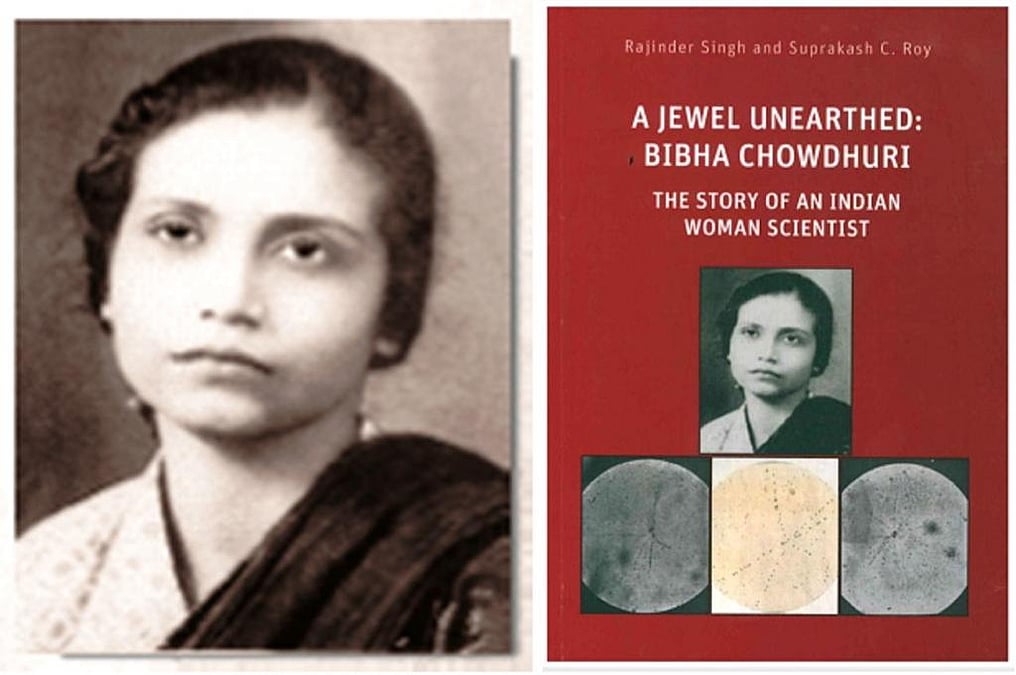
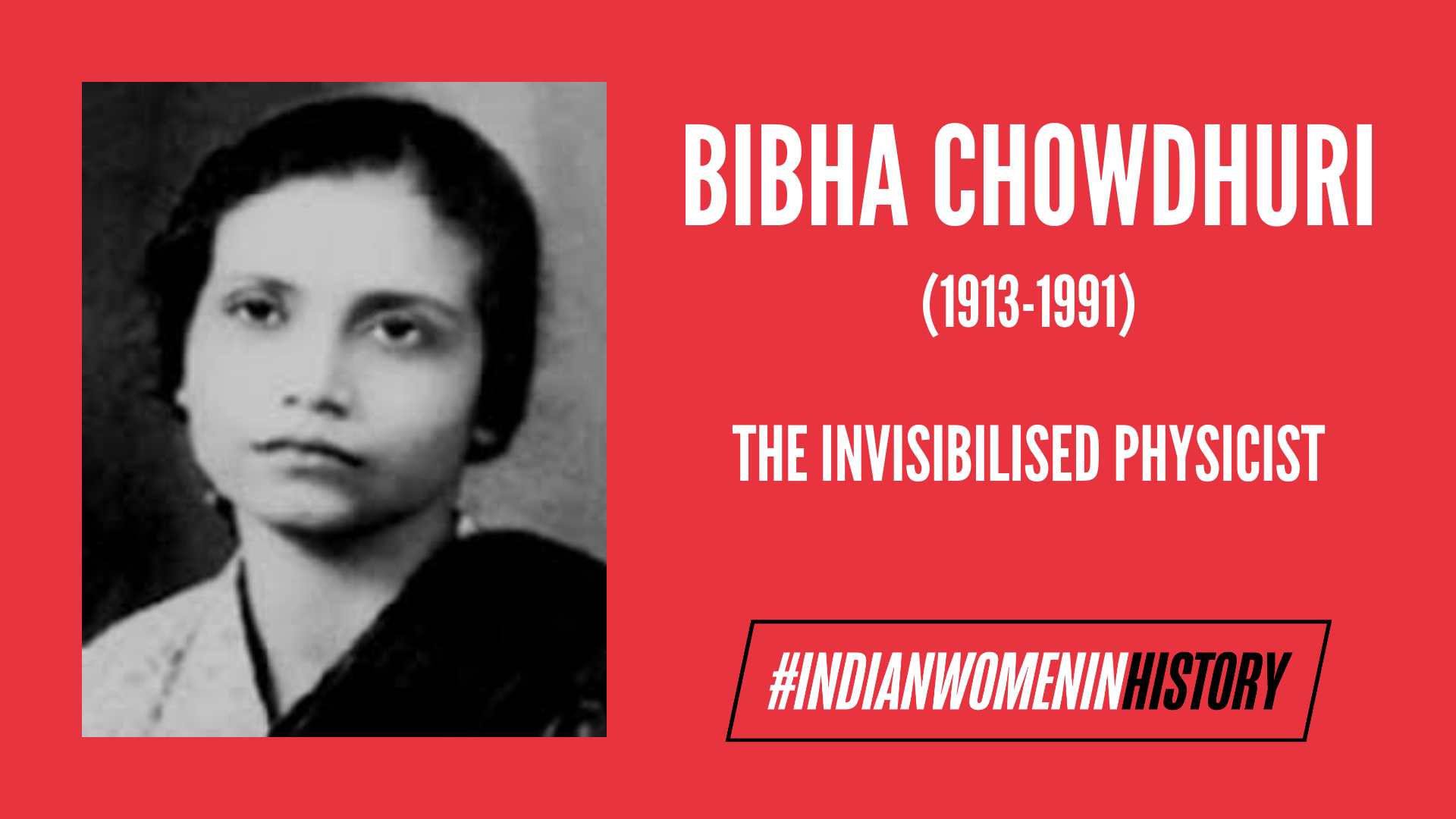
(Bibha Chowdhuri – the real “beam of light”!)
4. Timeline of Bibha’s Life (Easy to Remember)
- 1913 – Born in Kolkata.
- 1945 – Goes to Manchester, works with Blackett, does PhD on cosmic rays.
- 1949 – Returns to India, joins TIFR (first woman faculty).
- 1950s – Nominated for Nobel Prize by Schrödinger.
- 1991 – Passes away.
- Later – Star named “Bibha”, Chair Professorship started.
5. Character Sketch of Bibha Chowdhuri
- Brave Pioneer: First Indian woman in high-energy particle physics.
- Dedicated Scientist: Worked hard without caring for awards.
- Humble: Never sought fame.
- Inspiring: Became a “beam of light” for future women scientists.
- Intelligent: Discovered important things about cosmic rays and pi-mesons.
6. Themes of the Chapter
- Gender equality in science (women can do everything men can).
- Importance of hard work and dedication.
- Recognition comes late sometimes, but legacy lives forever.
- Progress in Indian science (from Bibha to ISRO women).
7. Message / Moral
Never let society stop you from chasing your dreams. Bibha’s life teaches us: “Be the light that shows the way for others.”
8. Important Vocabulary (Word Meanings)
- Pioneer: First person to do something new.
- Cosmic rays: High-energy particles coming from space.
- Subatomic particles: Very tiny particles inside atoms.
- Legacy: What someone leaves behind after they are gone.
- Beacon / Beam of light: Something that guides and inspires others.
- Arduous: Very difficult and tiring.
- Stark reminder: Clear and strong example.
- Nominated: Officially suggested for an award.
9. Full NCERT Textbook Questions & Answers (Exactly as per Book)
Let us Discuss (Page 237) Arrange events in correct order: 3 → 5 → 6 → 2 → 1 → 4 (Birth → Manchester → Nobel nomination → TIFR → Star named → Chair professorship)
Let us Think and Reflect (Pages 237-239) (Extract 1 – Manchester journey) (i) Blackett’s name shows Bibha worked with top scientists. (ii) B – World was doubtful about women scientists. (iii) B – frequently seen in public. (iv) she had deep understanding and insight into cosmic rays.
(Extract 2 – Legacy) (i) B – Challenges remain, but progress has been made. (ii) her work continues to inspire future generations. (iii) She opened doors and gave hope to women in science. (iv) Opinion.
Short Questions (II)
- She was the first Indian woman in high-energy particle physics and broke barriers.
- Her work was world-class.
- No awards in lifetime; worked quietly.
- Literal: name in sky forever. Symbolic: she is a guiding light.
- Women now lead big missions at ISRO – society now supports them.
- To inspire girls and show gender equality in STEM.
- It breaks stereotypes and encourages women in all fields.
Let us Learn (Crossword and other grammar/vocabulary exercises are in the book – practise antonyms like core → peripheral, etc. from the text.)
10. Extra Questions for Exam (Very Important!)
- Why is the chapter called “The Beam of Light…”?
- How did Bibha face challenges in her time?
- Compare Bibha’s time with today’s women scientists.
- Write 5 lines about Bibha’s contribution to science.