Class 8 English – Poorvi (NCERT 2026-27)
Chapter 11: Harvest Hymn (Poem) Full A-Z Detailed Notes (Easy for Students – Simple Language, Step-by-Step, Everything Explained!)
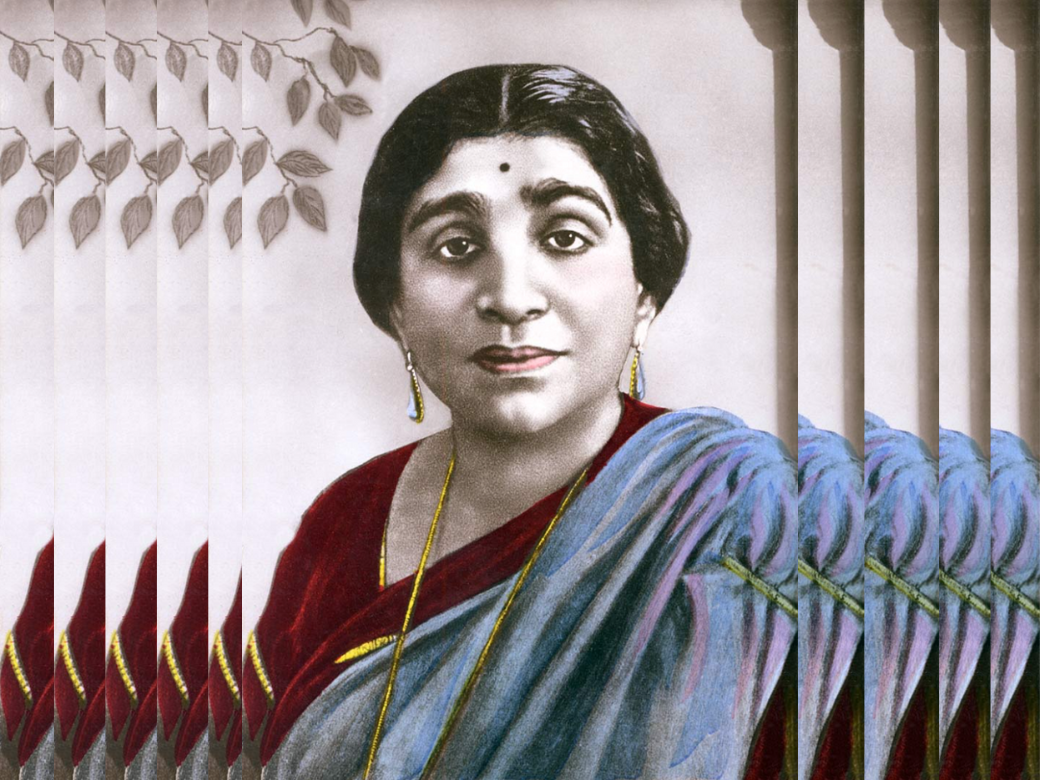
About the Poet – Sarojini Naidu Sarojini Naidu (1879–1949) is called the “Nightingale of India”. She was a great poet, freedom fighter, and the first woman Governor of an Indian state. Her poems are full of beautiful Indian culture, nature, and feelings of joy and gratitude. In this poem, she shows how villagers thank God, Sun, Rain, and Earth for a good harvest.
Why is this poem in Unit 4 (Environment)?
The poem teaches us to respect nature. Farmers work hard, but they also thank the Sun (Surya), Rain (Varuna), Earth (Prithvi), and the Supreme God for the harvest. It reminds us that we should be grateful to nature and protect it.
Before We Read – Activities from the Book (Page 173)
These activities help you connect the poem to real life.
- Harvest Festivals in India
India has many harvest festivals!
- Pongal (Tamil Nadu – January): Thank Sun and cows.
- Baisakhi (Punjab/Haryana – April): New year and harvest joy.
- Bihu (Assam): Three times a year.
- Onam (Kerala): King Mahabali’s return.
- Navanna (West Bengal): First rice to Goddess Lakshmi. In Odisha (your state!), Nuakhai is the big harvest festival where people offer new rice to the gods. Why do we celebrate? To say “Thank you” to nature for food!
- What is a Hymn?
A hymn is a song of praise to God or nature.
- We offer it to God/divine powers.
- We sing it in temples, during festivals, or prayers.
- Reason: To show gratitude and devotion.
- Archaic (Old) Words – Match them! (Book Activity)
Archaic Word Meaning thou you (subject) art are thee you (object) thy your thine yours - More Archaic Words Practice (Book Activity)
- radiance → brilliance
- tribute → respect
- cherished → loved
- counsel → advice
- munificent → generous
Full Poem – Harvest Hymn (By Sarojini Naidu)
Men’s Voices: Lord of the lotus, lord of the harvest, Bright and munificent lord of the morn! Thine is the bounty that prospered our sowing, Thine is the bounty that nurtured our corn. We bring thee our songs and our garlands for tribute, The gold of our fields and the gold of our fruit; O giver of mellowing radiance, we hail thee, We praise thee, O Surya, with cymbal and flute.
Lord of the rainbow, lord of the harvest, Great and beneficent lord of the main! Thine is the mercy that cherished our furrows, Thine is the mercy that fostered our grain. We bring thee our thanks and our garlands for tribute, The wealth of our valleys, new-garnered and ripe; O sender of rain and the dewfall, we hail thee, We praise thee, Varuna, with cymbal and pipe.
Women’s Voices: Queen of the gourd-flower, queen of the harvest, Sweet and omnipotent mother, O Earth! Thine is the plentiful bosom that feeds us, Thine is the womb where our riches have birth. We bring thee our love and our garlands for tribute, With gifts of thy opulent giving we come; O source of our manifold gladness, we hail thee, We praise thee, O Prithvi, with cymbal and drum.
All Voices: Lord of the Universe, Lord of our being, Father eternal, ineffable Om! Thou art the Seed and the Scythe of our harvests, Thou art our Hands and our Heart and our Home. We bring thee our lives and our labours for tribute, Grant us thy succour, thy counsel, thy care. O Life of all life and all blessing, we hail thee, We praise thee, O Lord, with cymbal and prayer.
Stanza-wise Easy Explanation (For Quick Understanding)
Stanza 1 (Men praise Surya – the Sun God) Farmers thank the Sun for bright light and warmth that helped seeds grow into golden crops. They offer songs, garlands, and the first harvest fruits. They play cymbals and flute happily. Key idea: Sun gives life and makes crops ripe.
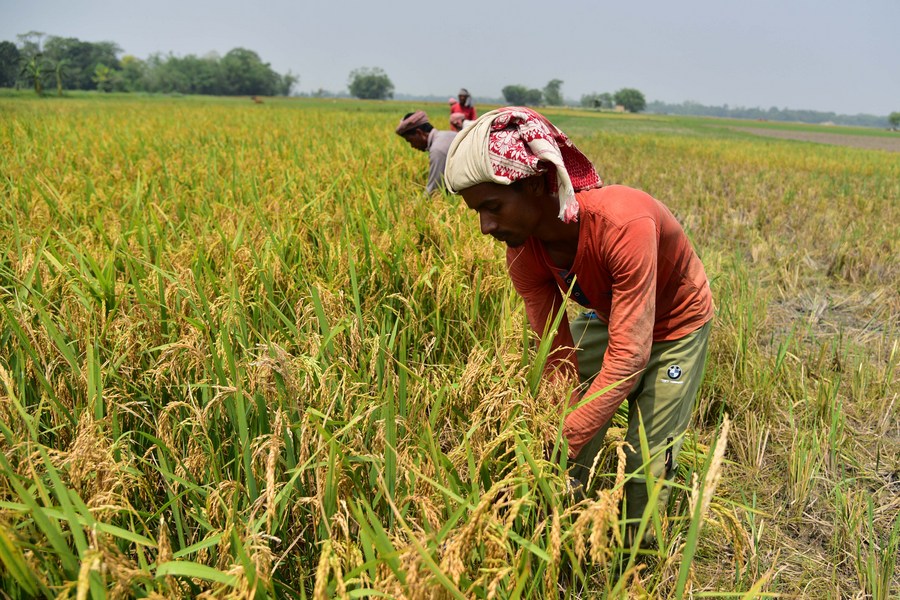
Stanza 2 (Men praise Varuna – the Rain God) They thank the Rain God (who controls oceans and rainbows) for giving water to the fields. Rain made the soil soft and helped grains grow. They offer thanks and ripe crops while playing cymbals and pipe. Key idea: Rain is mercy that nourishes crops.
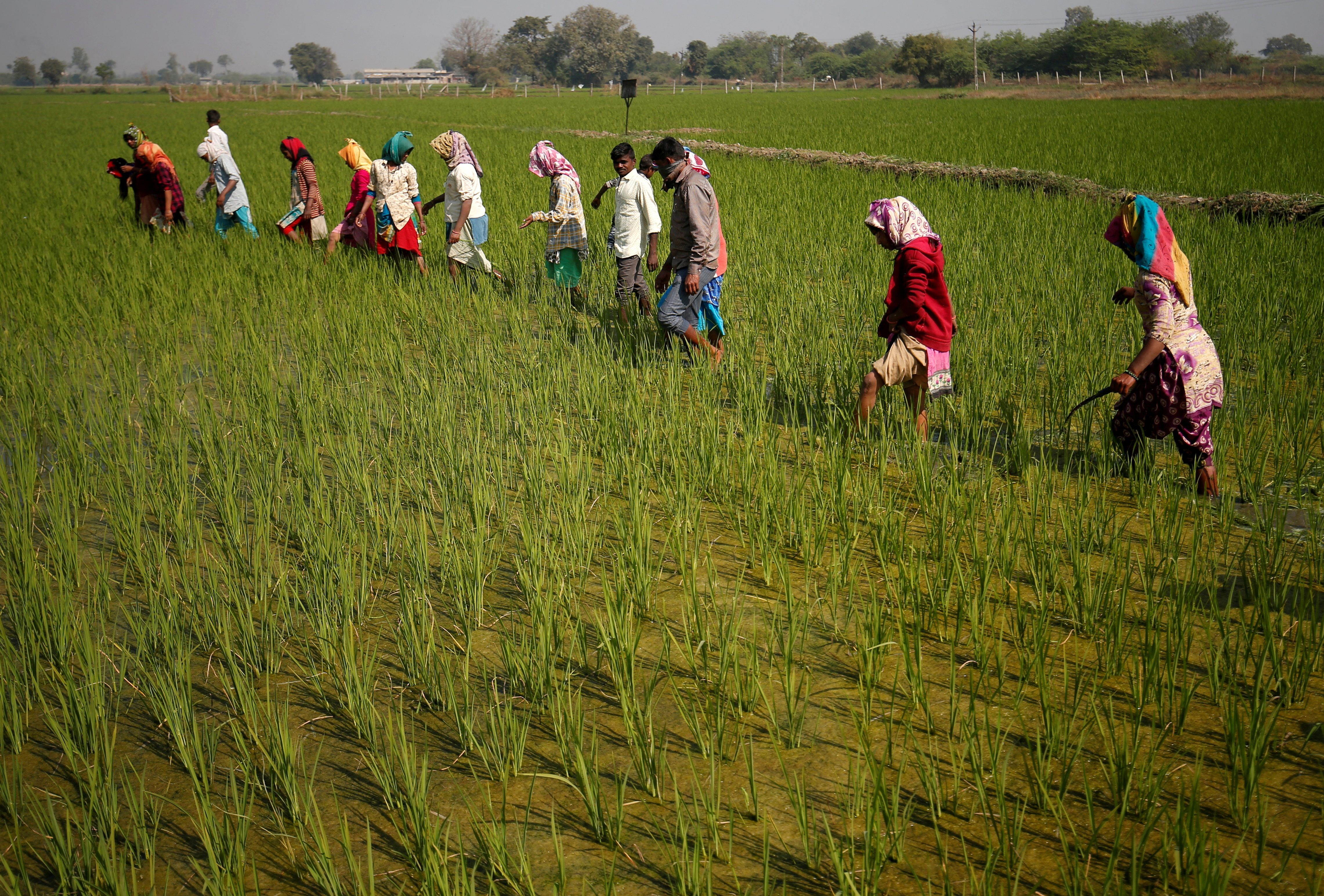
Stanza 3 (Women praise Prithvi – Mother Earth) Women call Earth their sweet and powerful mother. Her “bosom” (soil) feeds us and her “womb” gives birth to all riches. They offer love and gifts while playing cymbals and drum. Key idea: Earth is like a caring mother.
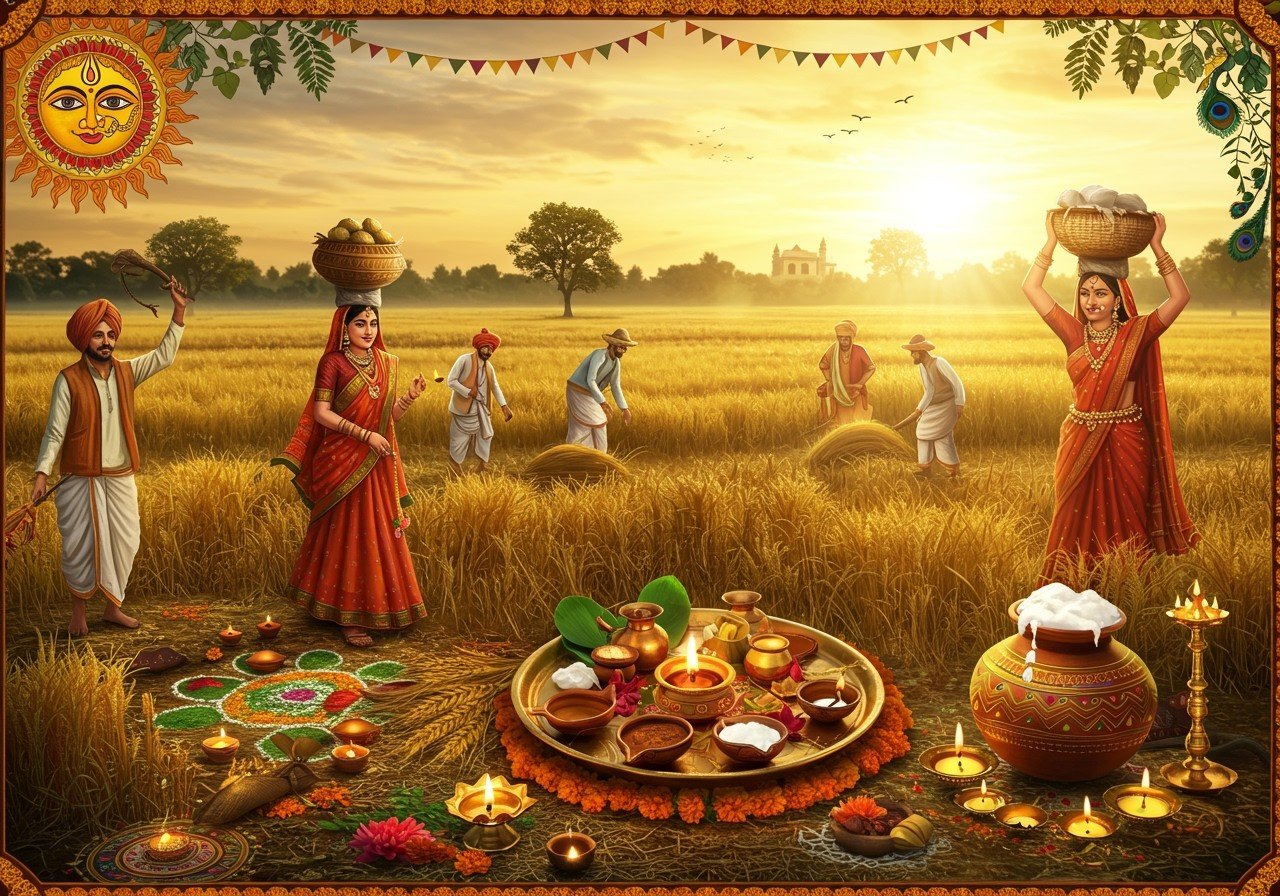
Stanza 4 (Everyone praises the Supreme God) All together praise the one God (Om) who is everything – beginning and end of harvest, our hands, heart, and home. They offer their whole lives and hard work and ask for help, guidance, and care. Key idea: Everything comes from one divine power.
Important Word Meanings (Vocabulary – Easy)
- Munificent: very generous
- Bounty: rich gift / blessing
- Prospered: helped grow successfully
- Nurtured: cared for and helped grow
- Radiance: bright glowing light
- Cymbal: musical instrument that makes clashing sound
- Beneficent: kind and helpful
- Furrows: lines made in soil for planting
- Garnered: collected and stored
- Omnipotent: all-powerful
- Opulent: rich and plentiful
- Manifold: many kinds
- Ineffable: too great to describe in words
- Scythe: tool to cut crops
- Succour: help and support
- Counsel: wise advice
Theme & Message (Main Idea)
Theme: Gratitude to nature (Sun, Rain, Earth) and God for a successful harvest. It shows unity between men and women, farmers and divine powers. Message: Hard work + prayer + respect for nature = happiness. Never take food or nature for granted. Protect the environment!
Poetic Devices (Literary Beauty – Easy Examples)
- Alliteration: “Bright and munificent”, “We bring thee our lives and our labours” (same sound repeats).
- Imagery: “The gold of our fields” – you can picture golden crops!
- Personification: Earth is called “sweet mother” with “bosom” and “womb”.
- Metaphor: God is “Seed and the Scythe” (beginning and end of harvest).
- Repetition: “We bring thee our … for tribute”, “We praise thee…” – creates musical rhythm like a real hymn.
- Symbolism: Lotus (purity), Rainbow (rain), Gourd-flower (fertility).
NCERT Questions & Answers from the Book (Let us Discuss – Pages 176-177)
I. Match stanzas with ideas
- Stanza 1 (Surya’s kindness)
- Stanza 4 (Creator of universe)
- Stanza 4 (Devote lives)
- Stanza 3 (Praise Earth)
II. Fill in the blanks
- harvest
- nature and the Lord
- God resides in them
III. Poetic devices
- Alliteration (Bright and munificent…)
- Alliteration (lives and our labours)
IV. Match poetic devices
- sweet and omnipotent mother → Personification
- The wealth of our valleys… → Imagery
- Thou art the Seed and the Scythe → Metaphor
V. Repetition Examples: “We bring thee our … for tribute”, “We praise thee…”. Purpose: Makes the poem musical, rhythmic, and shows strong gratitude.
VI. Symbolism
- Prithvi → fertile land, motherhood
- Surya → light, energy, prosperity
- Varuna → mercy and nourishment (rain)
Quick Revision Summary for Exams
- Poet: Sarojini Naidu
- Type: Hymn (song of praise)
- Voices: Men (Surya + Varuna), Women (Earth), All (Supreme God)
- Main Feeling: Joy, gratitude, devotion
- Lesson: Thank nature every day!
Student Tips:
- Read the poem aloud – it sounds like a song!
- Draw a picture of farmers offering garlands to Sun, Rain, and Earth.
- Relate it to Nuakhai in Odisha – same feeling of thanks for new rice.
- Remember: Nature gives us everything – we must give back respect and care.