Class 7 SST Chapter 5: India, a Home to Many
Detailed A-Z Notes from Exploring Society: India and Beyond - Part II (New NCERT 2026-27)Hello students! This chapter is all about how India has always been a safe and welcoming home for people coming from different countries. It is not just about our own diversity inside India (which you studied in Class 6), but about people who came from faraway lands across the seas or mountains and made India their home forever.
The chapter shows us India’s big heart – full of tolerance, kindness, and the idea that the whole world is one family. Let’s understand everything step by step in simple language, just like your teacher explains in class.
1. Starting with a Beautiful Thought (The Shloka)
The chapter opens with this Sanskrit verse from the Maha Upanishad:
“Ayam nijah paro veti ganana laghuchetasam, Udaracharitanam tu vasudhaiva kutumbakam.”
Simple meaning:
- Narrow-minded people say, “This is mine, that is not mine.”
- Broad-minded people say, “The whole world is one family” (Vasudhaiva Kutumbakam).
This idea has guided India for thousands of years. It is the reason why people from different parts of the world felt safe here.
2. The Big Questions of the Chapter
Your book asks three important questions to think about:
- What has made India a home for people from different parts of the world?
- Why did people who were troubled or persecuted in their own countries come to India?
- What is special about Indian society that helps people settle and mix here happily?
Answer in short: India’s tolerant culture, respect for all religions, no forced conversion, and the spirit of “live and let live”.
3. Why Did People Come to India?
People came for many reasons:
- Persecution (religious or political trouble in their home country).
- Trade and better life (merchants and sailors).
- Wars and invasions in their lands.
- India was easy to reach by sea routes and had kind rulers and people.
These people did not just come and go – they stayed, built their places of worship, learned local languages, wore local clothes on festivals, and became part of India while keeping their own traditions. This is called assimilation (mixing well without losing your identity).
4. Major Communities That Found Home in India (With Examples)
Here are the important communities explained one by one – easy to remember!
A. The Parsis (Zoroastrians)
- When and why? Came from Persia (today’s Iran) in the 8th century when Arab invaders forced people to change their religion.
- Where? First landed in Sanjan (Gujarat), later spread to Mumbai, Pune, etc.
- Religion: Zoroastrianism – they worship fire in beautiful Fire Temples.
- How they mixed: Learned Gujarati language, wore sarees and dhotis on occasions, but kept their own festivals like Navroz (New Year).
- Contributions: Very honest and hardworking. Famous families like the Tatas started industries, steel plants, and hospitals. Dadabhai Naoroji was the first Indian in British Parliament. They helped a lot in India’s freedom struggle and business.
- Fun fact: Even today, Parsis are known for their love of education and charity.
B. The Jews
- When and why? One of the oldest groups – some came as early as 1st century for trade. Later waves came to escape persecution in Europe and Middle East.
- Where? Mainly Cochin (Kerala), Mumbai, and some in Kolkata.
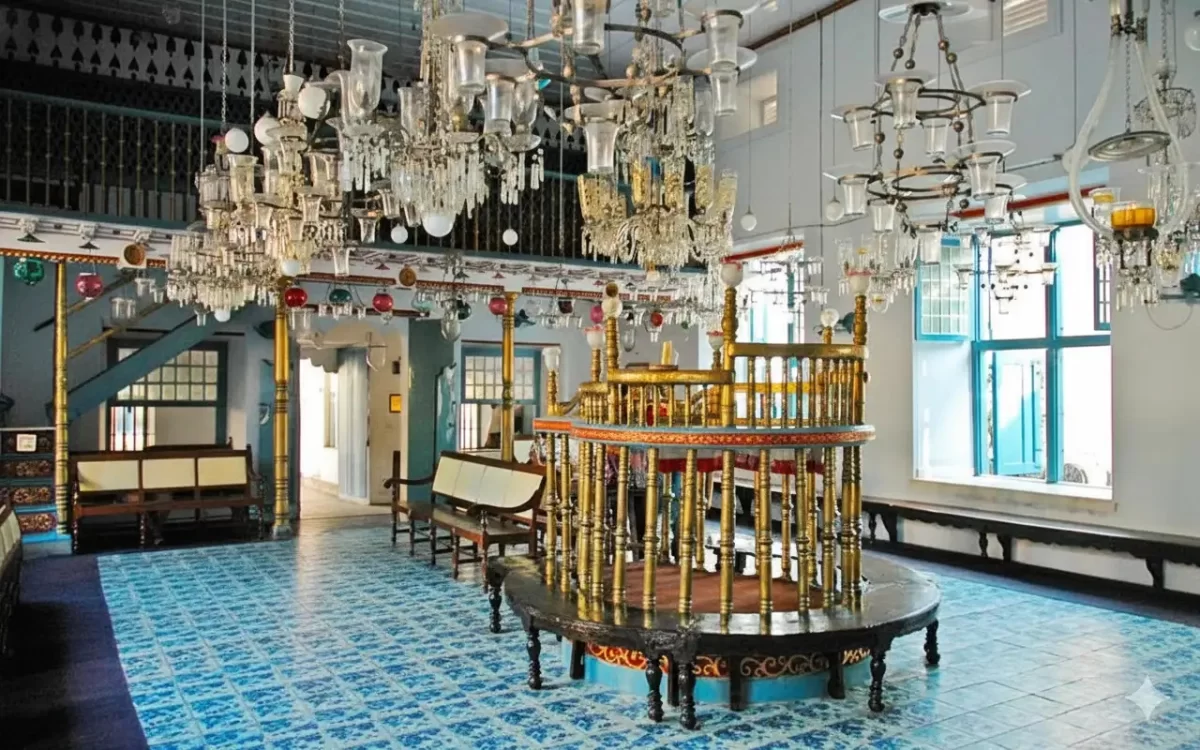
- Religion: Judaism. They built synagogues (prayer halls).
- Famous place: Paradesi Synagogue in Kochi (built in 1568) – it has beautiful Chinese tiles and Belgian chandeliers!
- How they mixed: Spoke Malayalam, ate local food (but followed kosher rules), celebrated Indian festivals with neighbours.
- Contributions: Good in business, education, and even films. Many Jews fought in the Indian Army too.
C. The Siddis
- When and why? Came from East Africa (Ethiopia, Tanzania area) between 12th-19th century – some as traders, sailors, soldiers, or unfortunately as slaves by Portuguese.
- Where? Mainly Gujarat, Karnataka, and some parts of Bengal and other states.
- Culture: Amazing mix of African and Indian traditions! They have their own villages.
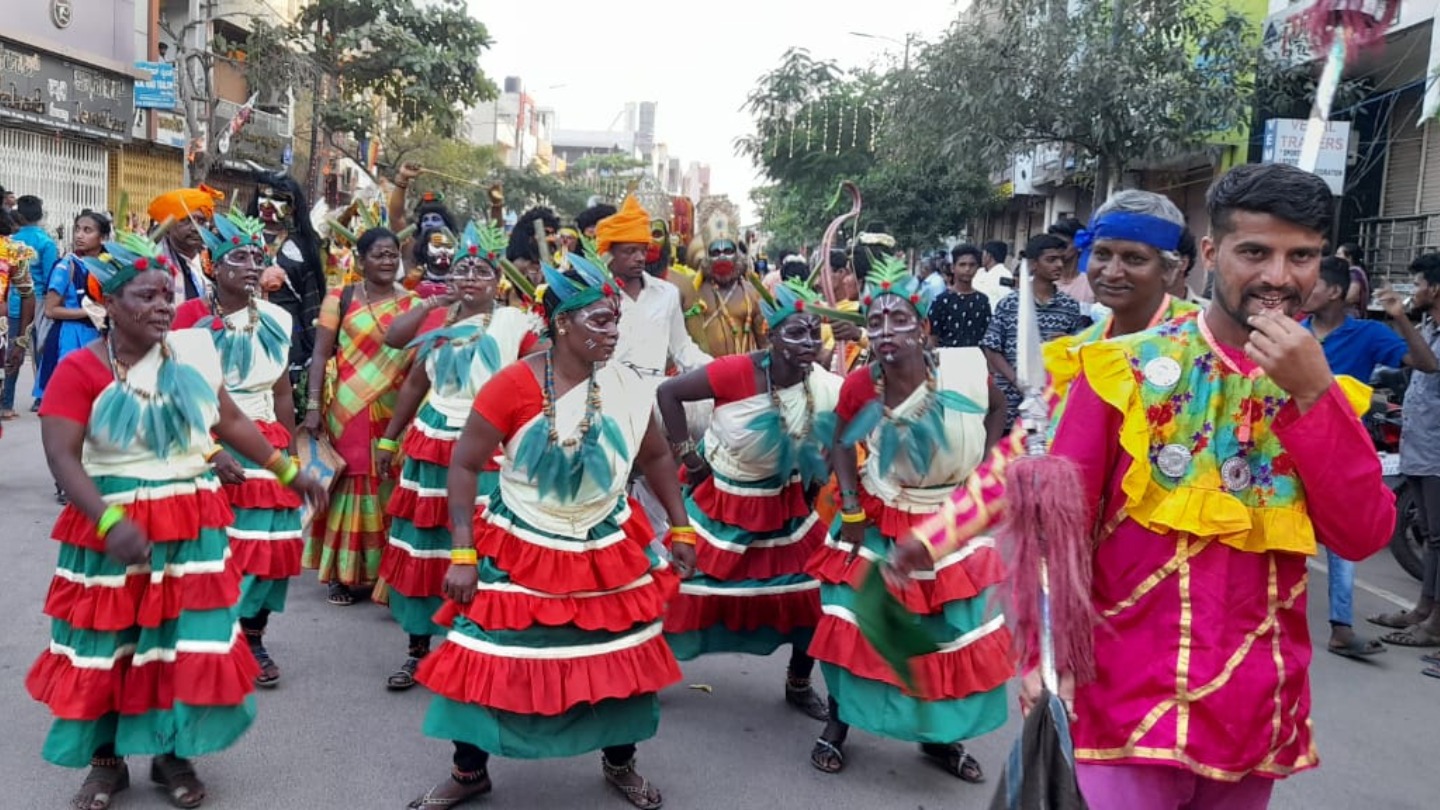
- Special: Love music and dance – their famous Goma or Dammal dance is full of energy, drums, and colourful costumes. Many Siddis are Muslims, some Hindus or Christians.
- Contributions: They work in farming, labour, and keep alive their unique folk arts.
- Fun fact: Their culture shows perfect fusion – African rhythms with Indian clothes and festivals.
D. The Armenians
- When and why? Came mostly in 16th-17th century as traders from Armenia (West Asia).
- Where? Kolkata, Chennai, and some in Mumbai.
- Religion: Christianity – they built churches.
- Famous place: Armenian Church of St. Nazareth in Kolkata.
- How they mixed: Became successful in jute trade, education, and business.
- Contributions: Helped develop trade and schools in eastern India.

E. The Chinese Community
- When and why? Came in 19th-20th century from China due to wars, famines, or for trade.
- Where? Mostly Kolkata (Tangra area – India’s own Chinatown!).
- Special: Brought delicious Chinese food (momos, chowmein – now with Indian tadka!). They also work in shoe-making and tanning.
- How they mixed: Built Chinese temples and celebrate their festivals, but speak Bengali/Hindi and love Indian cricket!
F. The Tibetans
- When and why? Came after 1959 when China took over Tibet. Dalai Lama and thousands of followers sought refuge.
- Where? Dharamshala (Himachal Pradesh – called “Little Lhasa”), Ladakh, Karnataka, etc.
- Religion: Tibetan Buddhism.
- Special: Beautiful monasteries, prayer flags, and thangka paintings.
- Contributions: Dalai Lama is loved all over the world for peace. Tibetans brought handicrafts, tourism, and education centres. They live peacefully and respect Indian culture.
5. What is Special About Indian Society?
- We never forced anyone to change their religion or culture.
- Everyone is free to worship in their own way.
- These communities participate in national events like Republic Day, Independence Day, and local festivals.
- They have added new colours to Indian food, music, dance, business, and sports.
- This proves Unity in Diversity – many different threads making one strong Indian fabric.
6. Important Key Terms (Learn by Heart!)
- Vasudhaiva Kutumbakam → World is one family
- Assimilation → Mixing with the new society while keeping your roots
- Refugee → Person who runs away from danger or persecution
- Persecution → Cruel treatment because of religion or beliefs
- Fusion → Beautiful mixing of two cultures (like Siddi dance)
7. Quick Revision Points (Super Easy!)
- India welcomed people for 1000+ years.
- Main communities: Parsis, Jews, Siddis, Armenians, Chinese, Tibetans.
- Reasons: Safety, trade, tolerance.
- They gave back: Industry, food, arts, trade, peace.
- Message: Be kind and inclusive – this is real strength of India.
8. Let’s Think & Do (As per Book Style)
- On a map of India, mark Gujarat (Parsis & Siddis), Kochi (Jews), Kolkata (Armenians & Chinese), Dharamshala (Tibetans).
- Talk to your grandparents – do they know any Parsi or Chinese family in your city?
- Write one line: “Why I am proud that India is a home to many.”
You have now covered the full chapter from A to Z! Read once, revise the points twice, and you will remember everything easily for exams. India’s real beauty is in welcoming everyone – just like one big family.
Stay curious and kind! 🌍❤️