Class 7 SST Chapter 4: Turning Tides – 11th and 12th Centuries
From the new book: Exploring Society: India and Beyond – Part II (2026-27)Hey students! Imagine India in the 11th and 12th centuries – like a big river changing its course. Some parts faced strong currents of invasions from the north-west, bringing big changes and challenges. But other parts stayed strong, flowing with new ideas, grand temples, smart inventions, and powerful kings who ruled far and wide. This chapter shows us "turning tides" – a time of transition where old ways mixed with new ones. Wars happened, but culture, science, and trade also bloomed like never before. Let's explore it step by step in simple words, just like a story!
1. Why Were These Centuries a "Turning Point"?
The 11th and 12th centuries were special because:
- Big changes (turning tides): Turkic invaders from Central Asia (like the Ghurids) came deeper into India than ever before. They won key battles and started new rule in the north (the beginning of the Delhi Sultanate). Earlier Arab attacks didn't change much, but these invasions did – they brought new rulers, new armies, and even new religions spreading slowly.
- Continuity (things stayed the same): Many Indian kings in the south and east fought back, built huge temples, wrote amazing books, and sent ships across oceans. Science, poetry, and bhakti (devotion) ideas kept growing. Trade with China and Southeast Asia boomed!
Simple example: Think of India as a big playground. Some kids (northern kingdoms) faced tough new players invading, but other kids (southern dynasties) kept playing, scoring goals with temples and navies.
Key Event: In 1192 CE, the Second Battle of Tarain happened. Muhammad Ghuri (from Ghur in Afghanistan) defeated Prithviraj Chauhan (king of the Chahamanas). This opened the door for foreign rule in Delhi.

(Imagine a map here: India around 1100-1200 CE showing the Chola Empire in the south stretching to the sea, Hoysalas and Kakatiyas in Karnataka-Andhra, Eastern Gangas in Odisha, Chahamanas in Rajasthan, and Ghurid forces pushing from the north-west through the Khyber Pass.)
2. New Powers and Kingdoms Rising
Many new dynasties (ruling families) came up. Each had its own style!
- North and Central India:
- Ghurids (from Afghanistan) – controlled Delhi area.
- Chahamanas (Rajputs in Rajasthan and Haryana) – brave warriors like Prithviraj Chauhan.
- Paramaras (in Malwa).
- Senas (in Bengal).
- East India: Eastern Gangas (stable rule on the Odisha coast) – built beautiful temples.
- South India (super strong here!):
- Cholas (Tamil Nadu) – naval superstars!
- Hoysalas (Karnataka) – famous for stone carvings.
- Kakatiyas (Telangana/Andhra) – built strong forts.
These kings collected taxes from farmers, gave land to soldiers (called iqta system by Ghurids), and kept big armies.
Fun Fact: Armies had foot soldiers, fast horse riders (cavalry – Ghurids were experts!), and even war elephants!
3. Military Power and Invasions
- Invaders used fast cavalry to surprise enemies.
- Local kings had huge armies too, but the narrow mountain passes made defense tricky.
- Khyber Pass: A narrow, steep mountain path between Central Asia and India (Hindu Kush mountains). It was like a "door" for traders and armies. Good for quick entry to the Indus plains, but dangerous – easy to get ambushed in the narrow valleys! Traders loved it for silk and spices, but raiders also used it.

(See the rugged Khyber Pass – steep hills, narrow roads, perfect for surprise attacks!)
Mahmud of Ghazni's Raids (early 11th century): He attacked many times for wealth (plunder). Famous raid on Somnath Temple in 1026 CE. But Indians rebuilt it many times – showing resilience! The current temple was rebuilt in 1951 with people's donations.

(Beautiful Somnath Temple by the sea – rebuilt again and again as a symbol of India's spirit!)
Bakhtiyar Khilji and Nalanda: In 1193 CE, he attacked Nalanda University (a huge Buddhist learning centre). He mistook it for a fortress and burned its huge library. But it shows how knowledge centres suffered during wars.
4. Economy: Farming, Trade, and Wealth
- Agriculture: Main income. Kings built canals and tanks for irrigation. Farmers paid taxes in crops.
- Trade: Merchant guilds (groups of traders) sailed to China and Southeast Asia. Cholas sent huge naval expeditions! Goods like spices, cotton, and diamonds went out; silk and horses came in.
- Money: Gold, silver coins, and land grants kept the system running.
5. High Achievements – India's Shining Side!
Even with invasions, creativity exploded:
Science and Math
- Bhaskaracharya (12th century): A genius! Wrote Lilavati (arithmetic), Bijaganita (algebra), and Siddhantashiromani (astronomy). He knew about planets, eclipses, and even gravity-like ideas long before others!
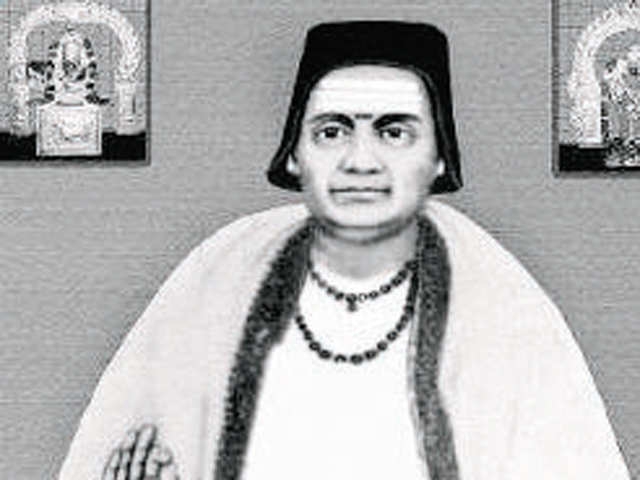
(Bhaskaracharya – the brilliant mathematician who made India proud with his books on numbers and stars!)
Architecture and Art
- Khajuraho Temples (Madhya Pradesh): Amazing carvings of gods, dancers, and daily life. Built by Chandela kings – super detailed stone work!
- Hoysala temples (Karnataka): Like soap sculptures – tiny details everywhere.
- Odisha: Jagannath Temple and Sun Temple (construction started).
- Kakatiya gateways and forts.
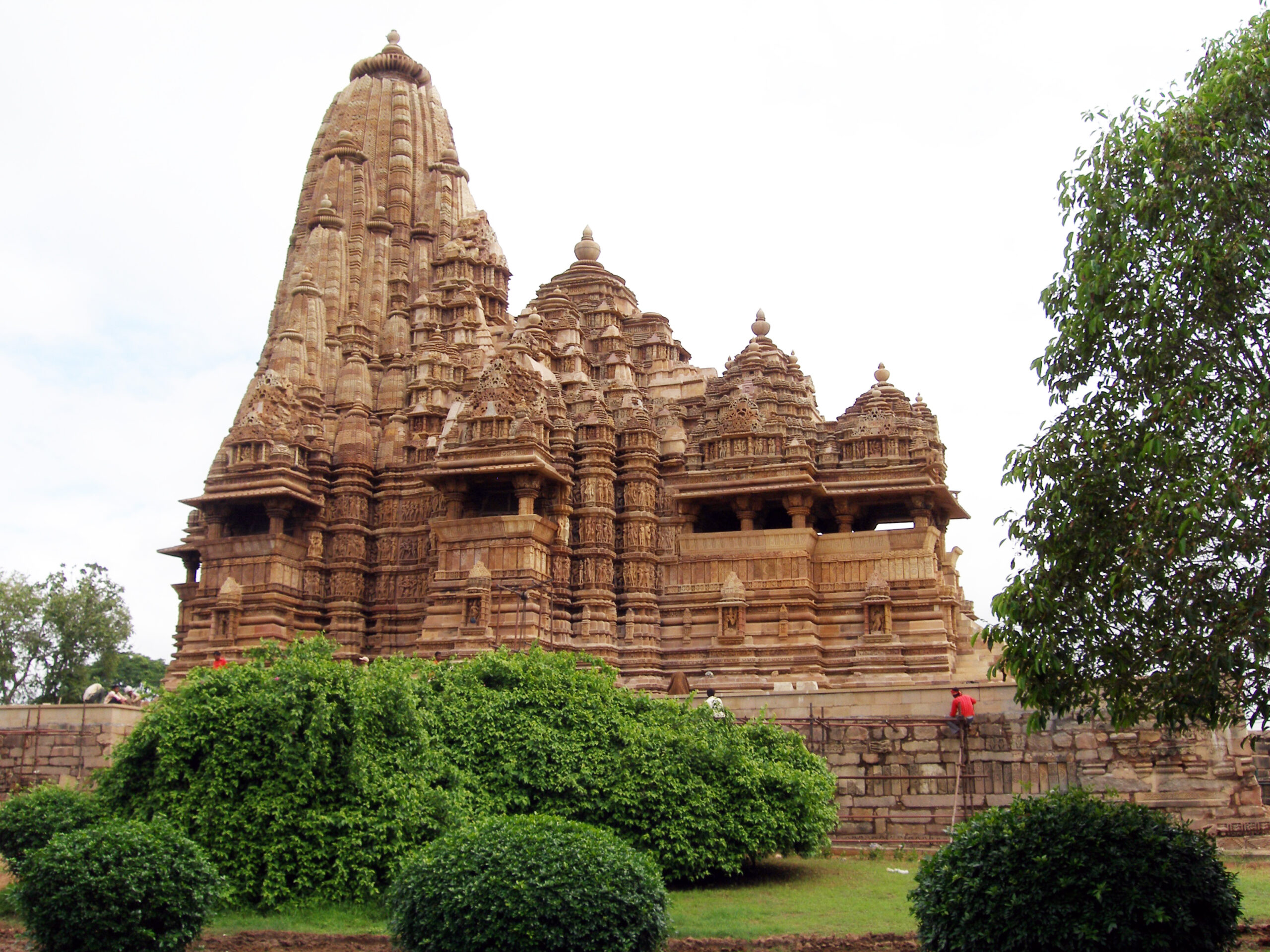
(Khajuraho Temple – look at the beautiful carvings! India was building wonders even during tough times.)
Literature and Philosophy
- Kings like Bhoja wrote books on poetry, governance, and arts.
- Someshvara III made a huge encyclopedia on every topic of life!
- Bhakti Movement: Saints like Ramanujacharya and Basava (Basavanna) taught simple devotion to God. No need for strict rituals or caste barriers. Basava started Anubhava Mantapa – a hall where everyone (rich-poor, all castes) could sit and discuss life, ethics, and God. Like a modern open forum!
(Basava's idea still inspires equality today – "All voices matter!")
Culture Spread Abroad
- Chola king Rajendra Chola I sent a huge navy to Southeast Asia (Shrivijaya kingdom, about 4630 km away!). Indian art influenced places like Angkor Wat in Cambodia.
6. Let's Think and Learn (Important Questions for You!)
- Change vs Continuity: Change = New rulers in north, destruction of Nalanda. Continuity = South Indian kings building temples, scientists writing books, trade continuing.
- Why rebuild Somnath? It shows India's cultural strength!
- Basava's Anubhava Mantapa: A place for open talks – what modern problems could we discuss there today?
Glossary (Easy Words)
- Iqta: Land given to officers for salary and army help.
- Bhakti: Loving devotion to God.
- Naval Expedition: Big ship army trip across sea.
- Transition: Time of big shifts from old to new.
Activity Idea for You: Draw a timeline of 1000-1200 CE. Mark Mahmud's raids, Second Tarain Battle, Bhaskaracharya's books, and Chola navy. Colour invasions red and achievements green!
This chapter teaches us: Even in difficult times, India's spirit of learning, building, and sharing never stops. The "tides" turned, but India kept shining. Revise with maps and pictures – you'll remember it forever!