Class 7 SST Chapter 2: India and Her Neighbours Detailed Easy-to-Understand Notes Book: Exploring Society: India and Beyond – Part II (New NCERT 2026-27)
Hey students! This chapter is all about India's neighbours – the countries around us. It explains how geography (land and sea) and history connect us. Neighbours are not just next-door countries; they share borders, culture, trade, and sometimes challenges too. Let's learn step by step like a story – super simple!
The Big Questions of the Chapter
- What makes a country a 'neighbour'? Only land borders or more?
- How do mountains, seas, and old history shape our friendships with neighbours?
- How are India and her neighbours connected today through trade, culture, and help?
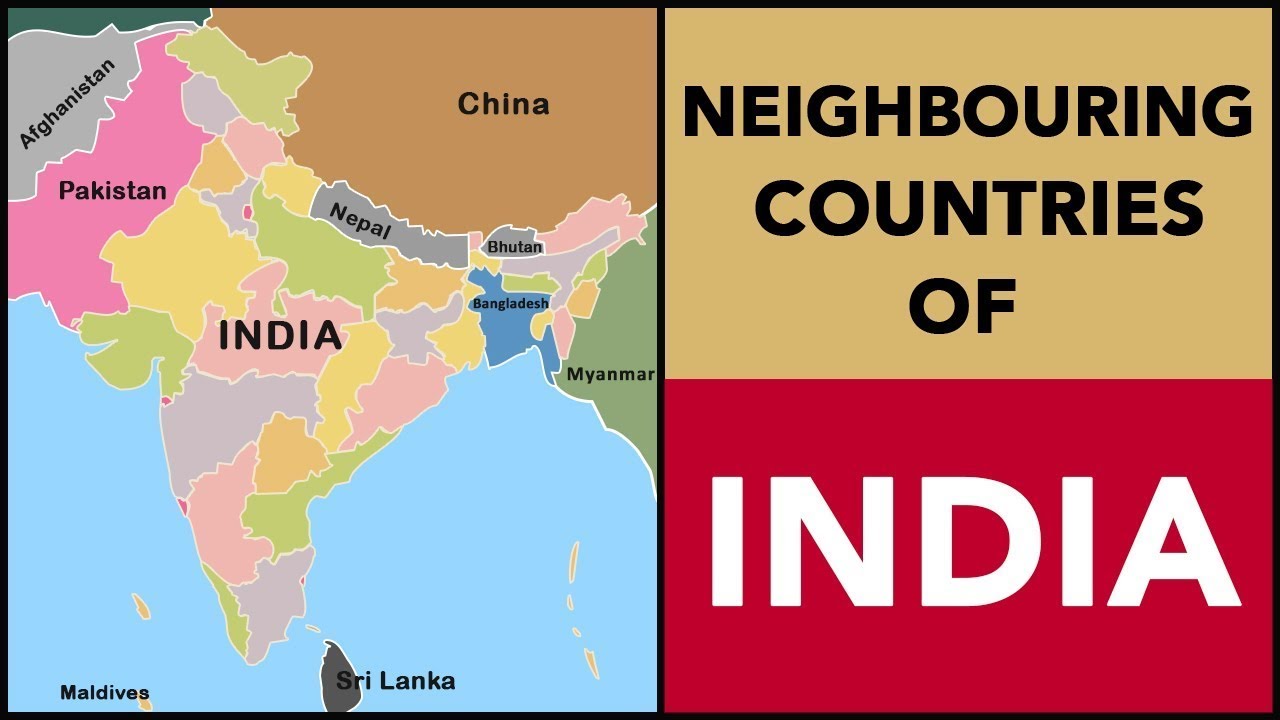
Look at this map! It shows India in the centre with all her neighbours around. India is like the heart of South Asia.
1. Framing the Neighbourhood (What is a Neighbour?)
- Traditional neighbours = Countries sharing land borders. India's land boundary is super long – 15,100 km! It goes through deserts, plains, high mountains, forests, and rivers.
- Land neighbours:
- Northwest: Pakistan and Afghanistan
- North: China (Tibet region), Nepal, Bhutan
- East: Bangladesh and Myanmar
- But India is also a sea country! Surrounded by sea on three sides (Arabian Sea, Bay of Bengal, Indian Ocean). So we have maritime neighbours too – connected by water.
- Closest: Sri Lanka and Maldives (just across the sea)
- Wider maritime neighbours: Iran, Oman, Thailand, Malaysia, Singapore, Indonesia
Why important? The Indian Ocean is the world's 3rd largest ocean. Half of the world's ships, one-third of bulk goods, and two-thirds of oil pass through it! India's long coastline (11,100 km) makes her a key player in trade and helping others during disasters. This teamwork is called regionalism – working together for peace and progress.
Let’s Explore (Activity from book): Look at the map and name the three big water bodies around India (Arabian Sea, Bay of Bengal, Indian Ocean).
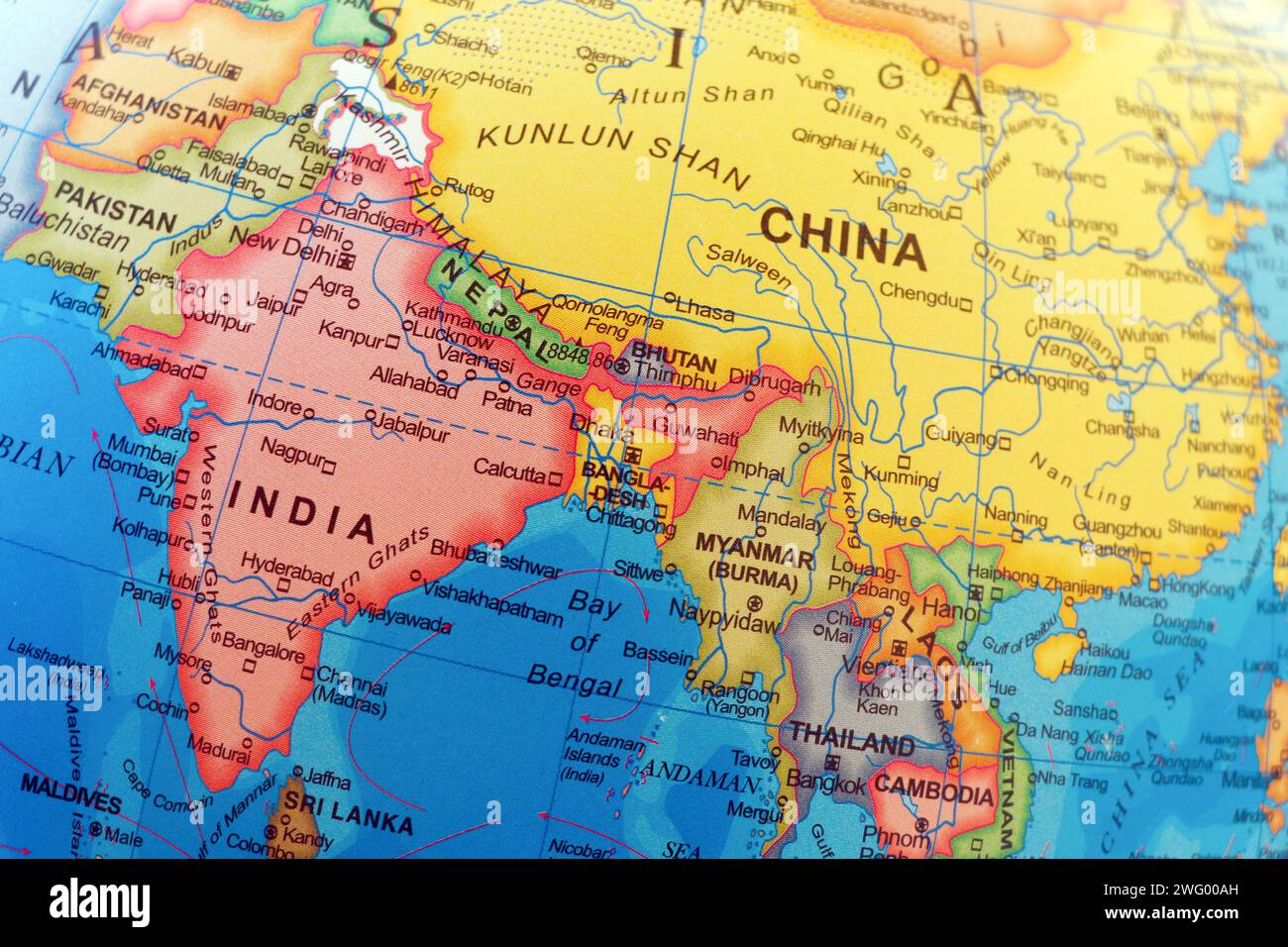
Quick Tip: Good neighbours help each other like friends in a colony – share problems and celebrate together!
2. India and Her Land-based Neighbours
(a) India and Her Largest Neighbour – China
- China is 3 times bigger than India in area.
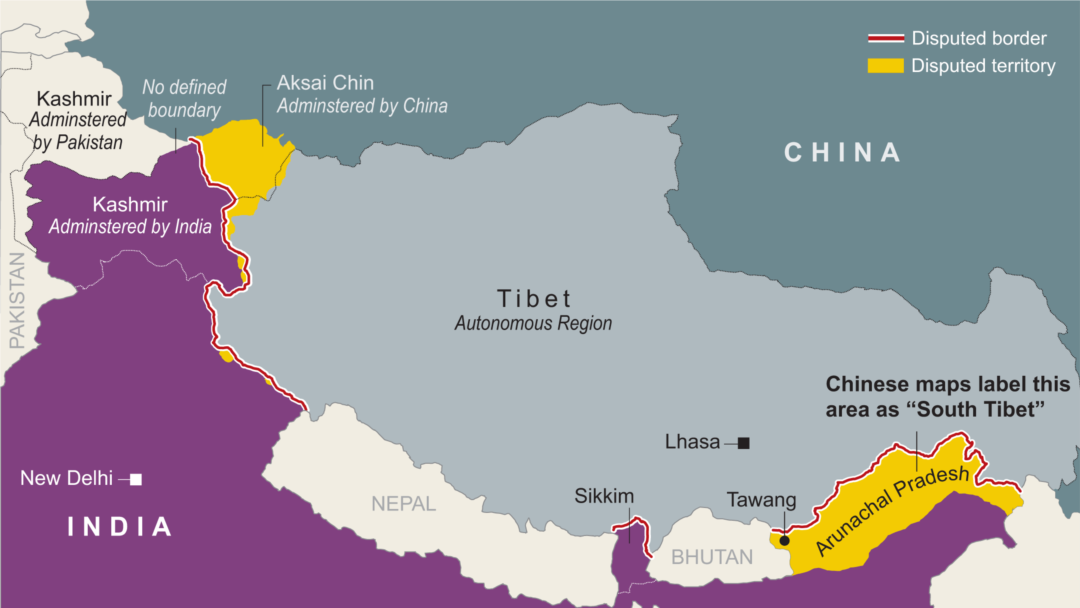
- Border: Long Himalayan line through Arunachal Pradesh, Sikkim, Uttarakhand, Himachal Pradesh, and Ladakh.
- Cultural bond: Buddhism started in India and went to China 2000 years ago. Monks like Faxian and Xuanzang came to India to study; Indian monks like Bodhidharma went to China to teach.
- Trade today (2024-25): India sells iron ore, chemicals, cotton yarn. Buys mobiles, electronics, machines. But China sells 8 times more to us.
- Challenges: Border disputes sometimes cause tension, but talks and trade continue.
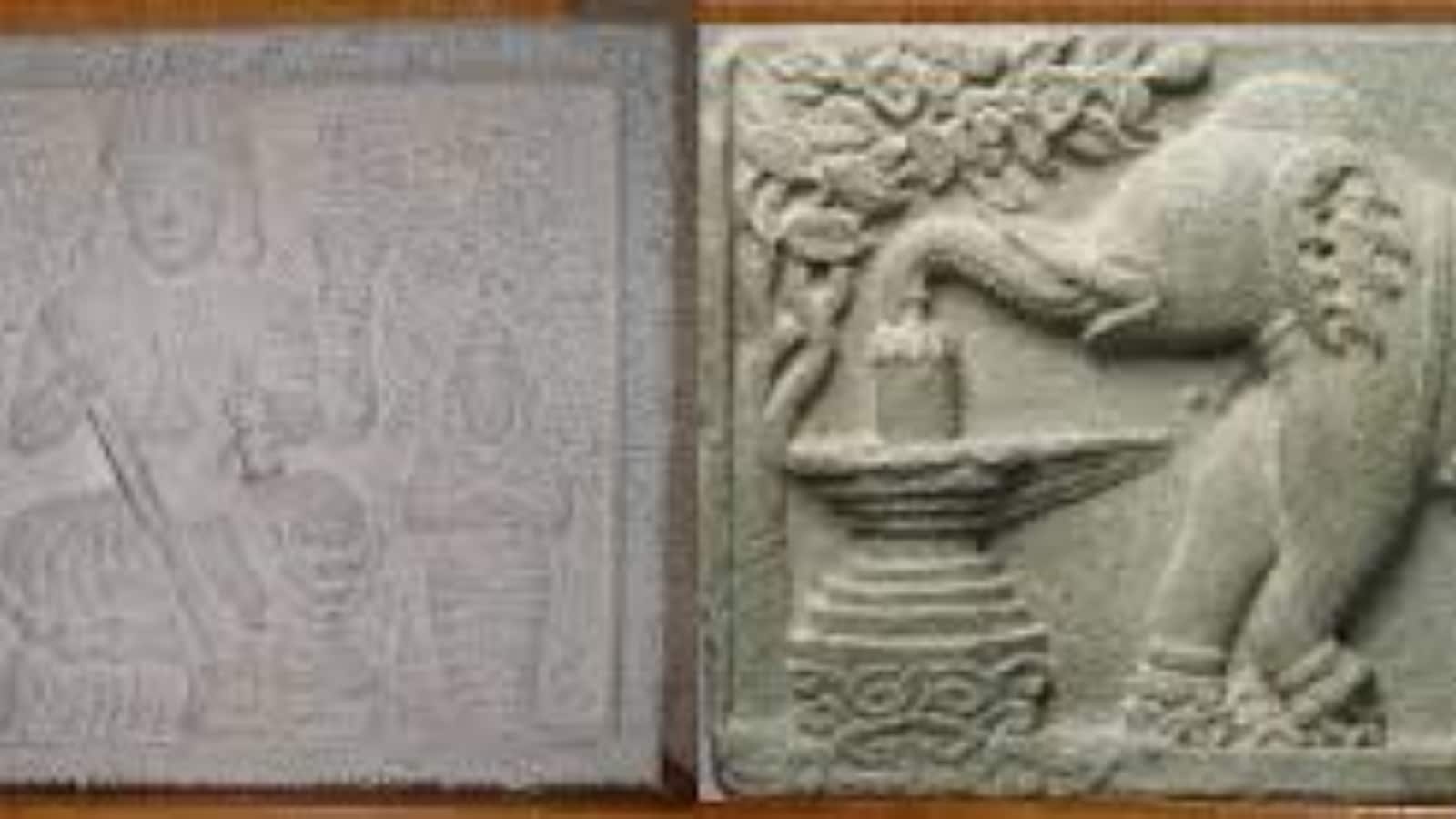
Cool Fact: 800-year-old Hindu carvings (Vishnu, Shiva, Ramayana stories) are still in China's Kaiyuan Temple – proof of ancient friendship!
(b) India and Pakistan
- Before 1947, Pakistan was part of India. Partition divided us.
- Border: Runs through Gujarat, Rajasthan, Punjab, Jammu & Kashmir, Ladakh.
- Shared history: Many wars (1948, 1965, 1971, Kargil 1999) and terror issues made relations tough.
- But shared heritage keeps hope alive: Same languages, food, music, festivals.
- Holy places: Katas Raj Temple (Mahabharata link) and Hinglaj Mata Mandir in Pakistan.
- Kartarpur Corridor: Visa-free path for Sikh pilgrims to visit Guru Nanak's gurdwara in Pakistan. Opened in 2019 – a step towards peace!
(c) A Newborn Neighbour – Bangladesh
- Born in 1971 after India helped in the war.
- Longest land border with India (West Bengal, Assam, etc.).
- Shared rivers: Ganga and Brahmaputra – help farming, fishing, transport.
- Sundarbans: World’s largest mangrove forest (UNESCO site) shared by both. Home to Royal Bengal Tiger – protects from cyclones!

(d) In the Lap of the Himalayas – Nepal
- Open border (no passport needed for travel).
- Deep cultural ties: Same festivals (Dashain, Tihar, Holi), Pashupatinath Temple (Lord Shiva).
- 1950 Treaty of Peace and Friendship – helps trade, jobs, defence.
- India is Nepal’s biggest trade partner.

(e) The ‘Land of the Thunder Dragon’ – Bhutan
- Called Drukyul (Land of Thunder Dragon).
- Buddhist links: Guru Rinpoche brought teachings from India in 8th century.
- Peaceful relations – shared mountains, culture, and economy.
(f) India’s Gateway to Southeast Asia – Myanmar
- Borders Northeast India.
- Buddhist and cultural links. Land Border Agreement (2018) helps trade and travel.
(g) A Land-locked Neighbour – Afghanistan
- Historical trade route (Uttarapatha) brought ideas, Buddhism, art.
- Buddhas of Bamiyan (giant statues) showed ancient Indian influence.
- India helps with schools, hospitals, roads today.
3. India’s Maritime Neighbours (Sea Friends)
- Sri Lanka: Just 32 km away across Palk Strait. Buddhism came from India (Ashoka’s children). Close culture, trade, and help during crises.
- Maldives: 1,100 tiny islands. Language and food show South Indian roots. India helped in tsunami (2004), water crisis, and COVID.
Why This Chapter Matters
Our destinies are linked (as Nelson Mandela said). Geography and history make us connected – through mountains (Himalayas), rivers, seas, Buddhism, temples, trade, and festivals. Challenges exist, but cooperation (like SAARC group) brings peace, jobs, and growth.
Key Takeaway for Students: Being a good neighbour = Respect borders + Share culture + Help in need + Trade fairly. India’s central position makes her a leader in South Asia!
Revise Fast:
- Land neighbours: 6 (Pakistan, Afghanistan, China, Nepal, Bhutan, Bangladesh, Myanmar)
- Maritime: Sri Lanka, Maldives
- Bonds: Buddhism, temples, rivers, trade, festivals
- Message: Unity in diversity even with neighbours!
Practice drawing the map and naming neighbours. Discuss with friends: “How can India and neighbours work better together?”
You’ve got this! These notes cover everything from the book in simple words. Use the pictures to remember better. Study well! 🌍🇮🇳