Class 7 SST Chapter 9 Notes: From the Rulers to the Ruled - Types of Governments
(Easy-to-remember notes from NCERT book "Exploring Society: India and Beyond" - New 2026-27 edition)
Hello friends! Imagine a big family where someone has to make rules so everyone lives happily and safely. That "someone" is the government. This chapter is super interesting because it shows how power moved from kings and queens (rulers) to ordinary people like you and me (the ruled). We will learn everything in simple words, with examples from India and the world. No big difficult words – just easy points to remember like a story!
1. What is Government?
A government is a group of people chosen (or born) to make laws (rules) for a country, state, or city and make sure everyone follows them. Without government, there would be chaos – no schools, no hospitals, no roads, and fights everywhere!
Why do we need government? (Remember these 6 easy jobs)
- Keeps peace and order (police work).
- Protects the country from enemies (army and defence).
- Makes friends with other countries (foreign relations).
- Builds schools, hospitals, roads, and water supply.
- Manages money and economy (so people have jobs and food).
- Works for everyone's welfare (helps poor people, women, children).
In a democracy (like India), government has 3 main organs (parts) that work like a team:
- Legislative → Makes new laws (like our Parliament).
- Executive → Carries out the laws (Prime Minister and ministers).
- Judicial → Checks if laws are fair and punishes wrongdoers (Courts and Supreme Court).
These 3 organs work separately so no one becomes too powerful. This is called Separation of Powers.
2. What Makes Different Governments Different?
Governments are not the same everywhere. They differ in 4 simple ways:
- Who gives power? → People (election) or a king (birth)?
- How is the leader chosen? → Vote or family rule?
- What rules do they follow? → Written Constitution or king's wish?
- Who do they work for? → All people or just a few rich families?
Now, let's learn the main types one by one.
3. Democracy – "Rule of the People" (Most Important for India!)
Democracy means power belongs to the people. Abraham Lincoln (famous leader) said: "Government of the people, by the people, for the people".
In democracy, people elect leaders every few years. If leaders do bad work, people can change them in next election.
Easy Principles of Democracy (Remember as E-F-P-U-F-I)
- Equality → Everyone is equal before law. No rich-poor difference.
- Freedom → You can speak, write, choose religion freely.
- Participation → People can join politics and vote.
- Universal Adult Franchise → Every adult (18+ years) can vote. India gave this right to all adults right from 1950 (even women and poor people)!
- Fundamental Rights → Rights like free speech, education, no torture.
- Independent Judiciary → Courts are free and protect your rights from government itself.
Two Types of Democracy (Super Easy)
- Direct Democracy: All citizens sit together and decide laws directly. (Used in small places like some parts of Switzerland even today. Not possible in big countries like India).
- Representative Democracy: People elect leaders (representatives) who make laws for them. (India follows this).
Two Forms of Representative Democracy
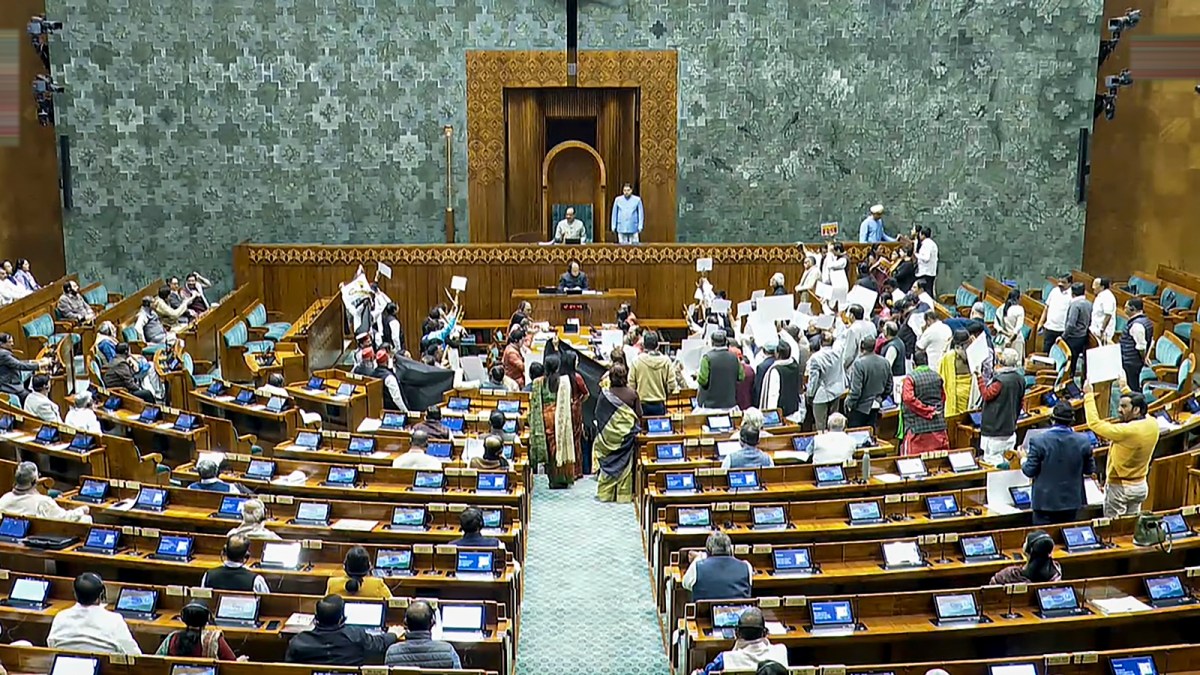
- Parliamentary Democracy (India's type): People elect Members of Parliament (MPs). The Prime Minister and ministers come from these MPs. Government stays in power only if Lok Sabha (lower house) supports it.
- Presidential Democracy: President is elected separately and is not part of Parliament. (Example: USA).
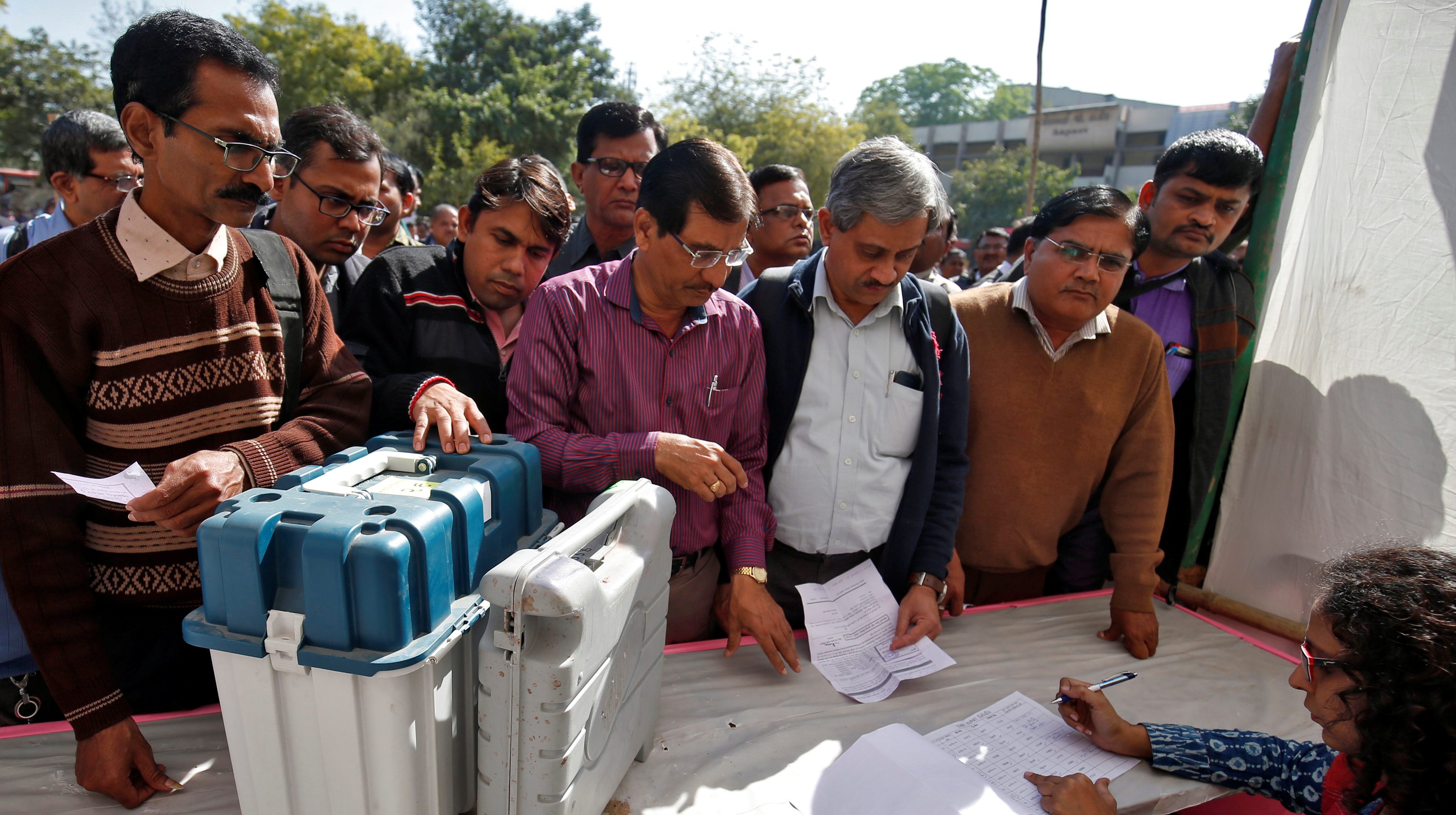
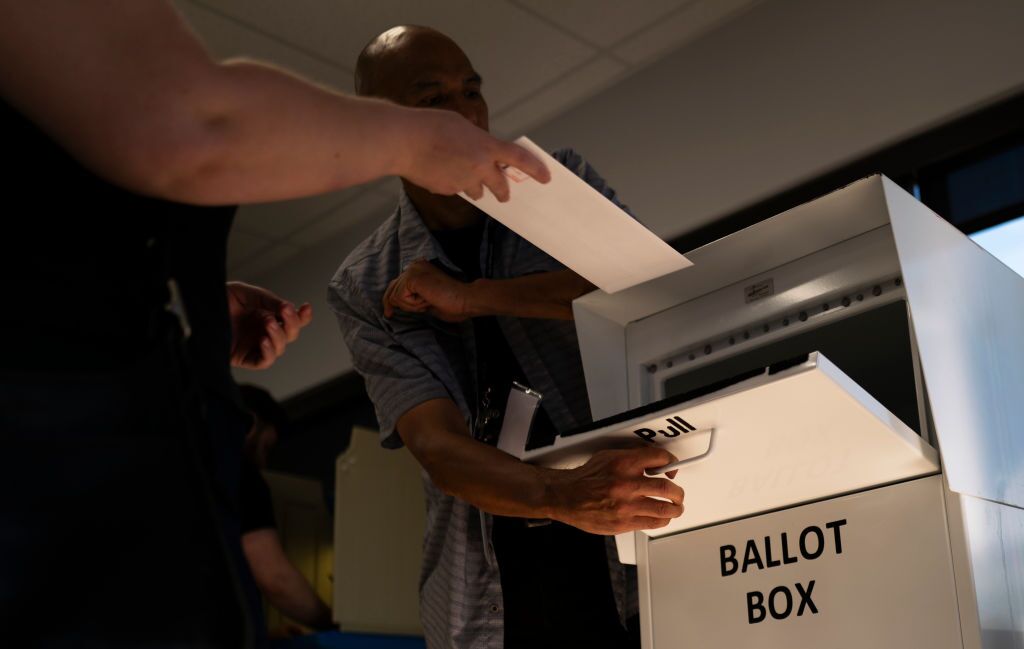
Look at these pictures: This is how real democracy works in India – people standing in line to vote using EVM machines and ballot boxes. Your vote is secret and powerful!
Democratic Governments Around the World (Quick table to remember years)
| Country | When Democracy Started |
|---|---|
| USA | 1787 |
| Switzerland | 1848 |
| India | 1947 |
| Germany | 1949 |
| Kenya | 1964 |
| Nepal | 2008 |
4. Other Types of Governments
Not every country is a democracy. Here are the others:
Monarchy – Ruled by King or Queen (power passes from parents to children – hereditary).
- Absolute Monarchy: King has full power. No one can stop him. (Example: Saudi Arabia today).
- Constitutional Monarchy: King/Queen is only the head for name and tradition. Real power is with elected Prime Minister and Parliament. (Example: United Kingdom – Queen/King is like a symbol).
Theocracy – Religious leaders rule and use religious books as laws. Example: Iran – Supreme Leader is a religious cleric. He has more power than the elected President.
Dictatorship – One person or small group has total power. No elections, no freedom. Often cruel. Examples: Adolf Hitler (Germany – killed millions), Idi Amin (Uganda – forced many Indians out).
Oligarchy – Small group of rich or powerful people rule. (Like a few businessmen controlling everything).
Republic – Head of the country (President) is elected by people, not born as king. India is a Republic!
5. Early Republics in Ancient India (History Connection)
Long ago (around 600 BCE), India had Mahajanapadas – 16 big kingdoms. Some were monarchies, but some like Vajji were Republics! Leaders were chosen by merit (good qualities), not birth. People discussed important matters in assemblies (sabha). This shows India had democratic ideas even 2500 years ago!
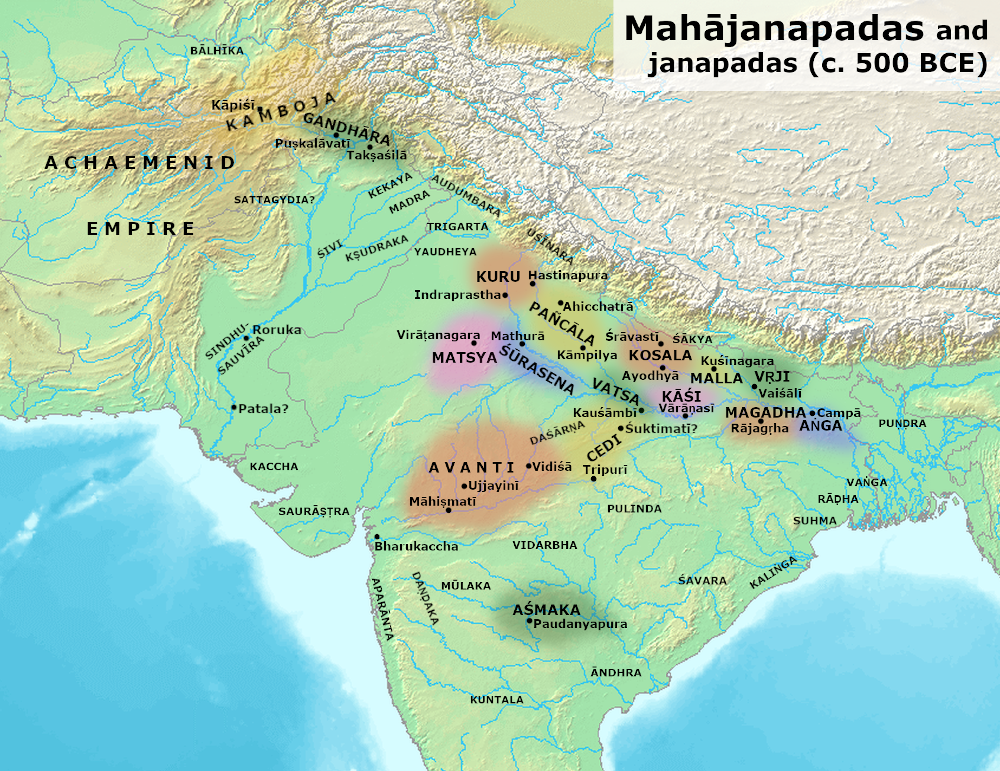
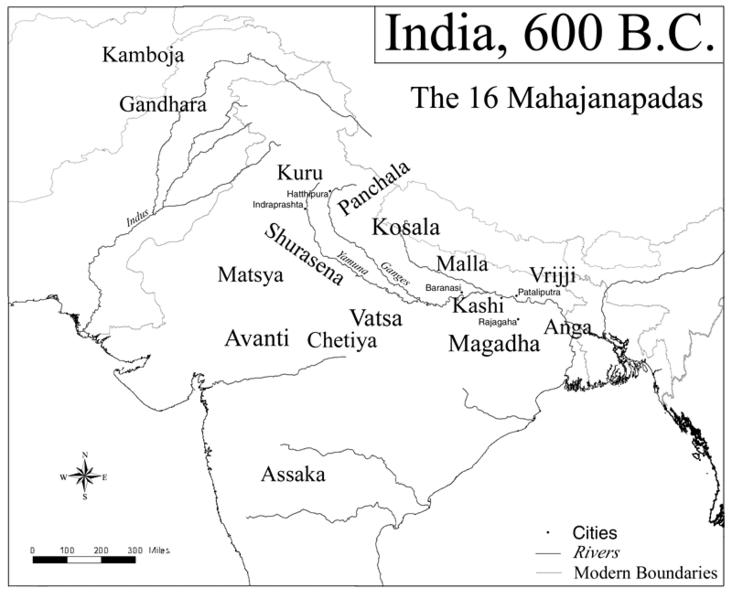
See the map above: These are the ancient Mahajanapadas. Vajji and others were early republics!
6. India's Government – Special for Us!
India is a Parliamentary Democracy and a Republic.
- We have Lok Sabha (directly elected by people) and Rajya Sabha.
- Prime Minister leads the government.
- Everything follows our Constitution (the big rule book written in 1950).
- Independent courts protect us.
7. Is Democracy the Best? Yes, but...
Why better than others?
- People have real power.
- Leaders work for you (or lose election).
- Protects rights and equality.
Challenges (problems):
- Some leaders become corrupt.
- Rich people sometimes influence elections.
- Not everyone votes.
How to fix? Vote wisely, study news, join awareness campaigns, and speak up!
Quick Revision Table (Easy to Remember All Types)
| Type of Government | Who Rules? | Power Comes From? | Example | One Line Memory Trick |
|---|---|---|---|---|
| Democracy | Elected people | Vote of citizens | India | "People choose" |
| Monarchy (Absolute) | King/Queen | Birth (family) | Saudi Arabia | "King is boss forever" |
| Monarchy (Constitutional) | King + Elected PM | Birth + Vote | UK | "King is showpiece" |
| Theocracy | Religious leaders | Religion | Iran | "God’s rules" |
| Dictatorship | One strong person | Force | Hitler’s Germany | "No choice, only fear" |
| Oligarchy | Small rich group | Money/Power | Ancient Greece | "Few bosses" |
| Republic | Elected President | Vote | India | "No king, elected head" |
Important Words to Mug Up (Glossary Style)
- Hereditary: Passed from parents to children.
- Franchise: Right to vote.
- Constitution: Supreme rule book of the country.
- Executive: The doers (PM + ministers).
- Legislature: Law makers.
- Judiciary: Law checkers (courts).
Let's Revise Questions (Practice these!)
- Name 3 functions of government.
- Difference between direct and representative democracy.
- Why is independent judiciary important?
- India is parliamentary democracy – explain why.
- Give one example each of monarchy and theocracy.
You have now covered the FULL chapter A to Z! Read once, draw the table, and explain to your friend – you will remember forever. If teacher asks, tell real examples from India.