Class 7 SST Chapter 12: Understanding Markets
Easy Notes from New NCERT Book (Exploring Society: India and Beyond, 2026-27) Simple words + pictures + tips to remember forever!
1. What is a Market? (The Big Idea)
A market is simply a place (real or online) where buyers (people who want to buy things) and sellers (people who want to sell things) meet and exchange goods or services for money.
Famous economist Adam Smith said: Prosperity comes when people can easily get things they cannot make themselves. Markets make this possible!
Big Questions this chapter answers:
- What are markets and how do they work?
- How do markets help our daily life?
- What does the government do?
- How do we check if things are good quality?
Old Market Example: Hampi Bazaar (Vijayanagara Empire, 500 years ago) Imagine huge stone pavilions, elephants carrying goods, traders from far countries selling spices, silk, gems and horses. It was not just shopping – it was a busy, colourful festival!
2. Types of Markets (Easy Mnemonic: POWDIR)
| Type | Simple Meaning | Example | Easy to Remember Tip |
|---|---|---|---|
| Physical | You go there in person | Weekly haat, local shops | “Touch and see” |
| Online | Buy on phone/laptop, delivered home | Amazon, Flipkart, BigBasket | “Click and get” |
| Wholesale | Sell in BIG quantities (not to you) | Mandi (big vegetable market) | “For shopkeepers” |
| Retail | Sell small quantity to normal people | Your nearby kirana store | “For you and me” |
| Domestic | Inside India only | All markets in India | “Desi only” |
| International | Between countries | Export of basmati rice | “Foreign trade” |
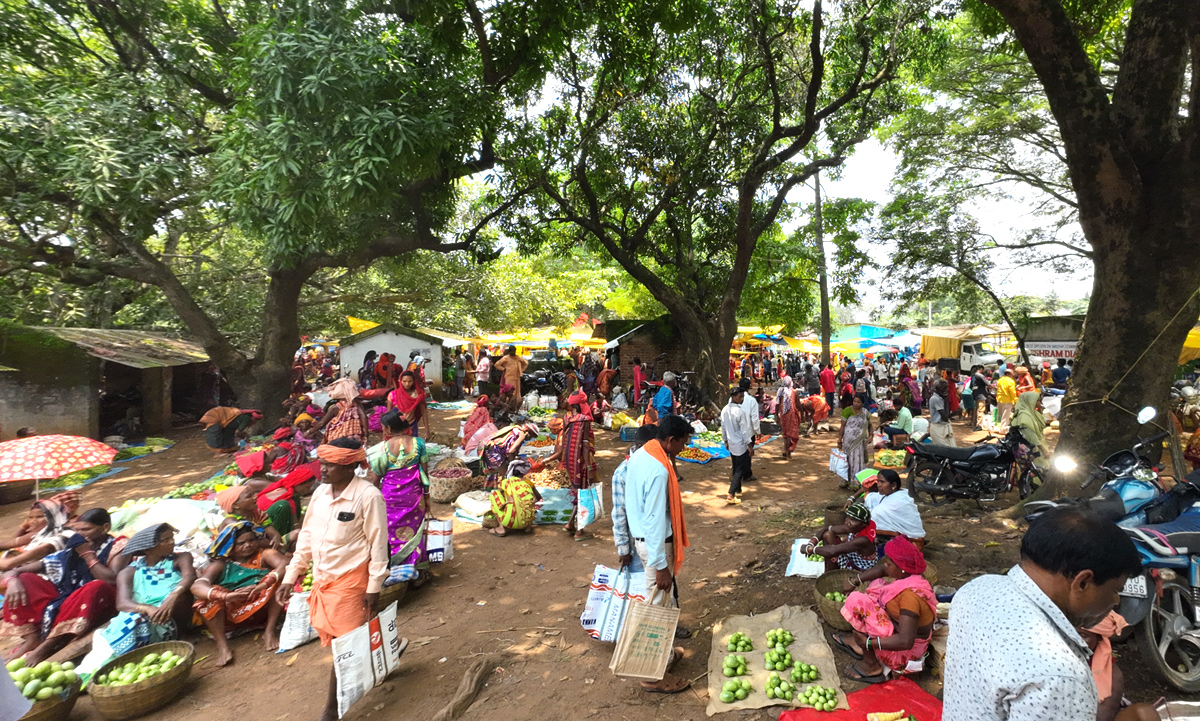
Weekly Market (Haat) in India – Cheap, bargaining allowed, colourful, but only once a week!

Mandi (Wholesale Market) – Farmers bring truck-loads of vegetables. Wholesalers buy in bulk and keep in cold storage.

Modern Mall – AC, fixed prices, clean packing, no bargaining.
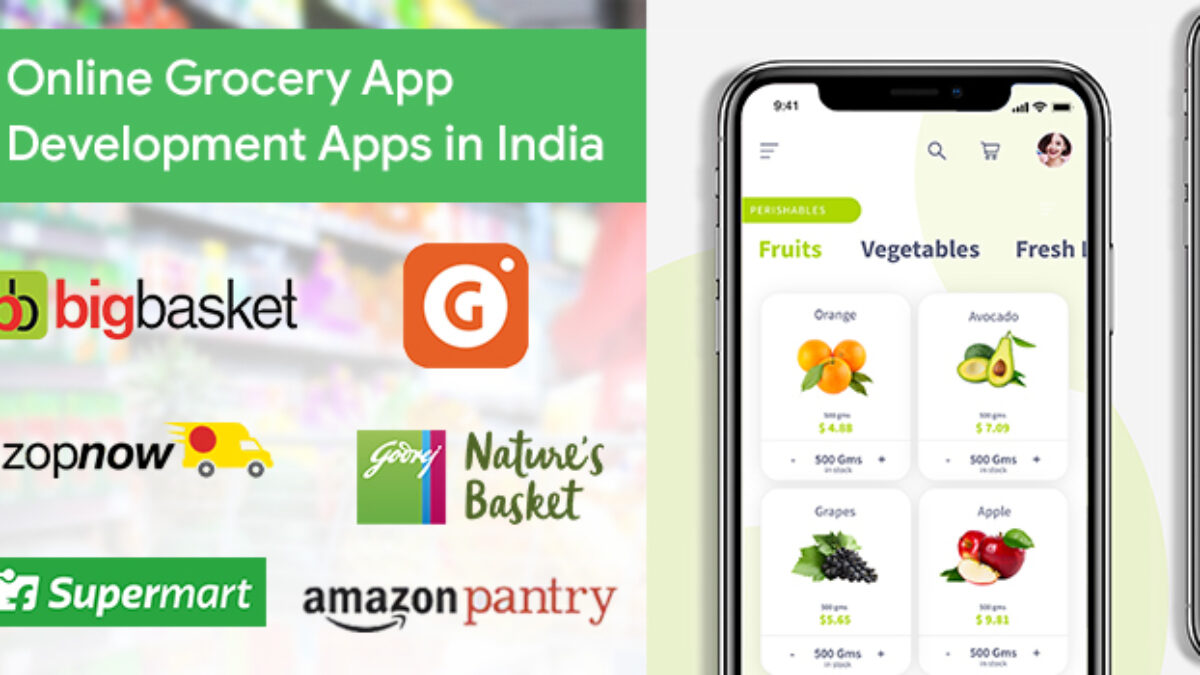
Online Market – Shop from home anytime!
3. How Markets Work: Demand + Supply = Price
- Demand = How much people WANT to buy
- Supply = How much sellers can give
Rule (Super Easy): High demand + Low supply → Price ↑↑ (goes up) Low demand + High supply → Price ↓↓ (goes down)
Real Example – Onions Some seasons, less onions come to market → price shoots up! Too many tomatoes → price falls so low that farmers throw them away (they lose money).
Guava Bargaining Example (from book) Buyer: “Bhaiya, ₹60 per kg? Make it ₹50!” Seller: “Arre, fresh from farm! Okay ₹55 for you.” (They agree and both happy)
4. Chain of Markets (Flow of Goods) – Very Important!
Goods travel like this:
Farmer (Producer) → Wholesaler → Retailer (shop) → You (Consumer)
- Farmer grows vegetables.
- Wholesaler buys huge quantity, stores in cold room, sells to many shops.
- Retailer buys small quantity and sells to you.
Wholesaler and retailer help goods reach you easily.

Chain of Markets Diagram (just like in the book)
5. Government’s Role (Helps Everyone)
Government does 3 big jobs:
- Controls price of important things (like onions, medicines) so they don’t become too costly.
- Checks quality with special marks:
- FSSAI → Food is safe to eat
- AGMARK → Farm products (fruits, spices) good quality
- ISI → Other products (fans, bulbs) are safe
- BEE Star Label → Saves electricity (5 stars = best)
- Builds roads, markets, cold storages so goods move fast.
/english-betterindia/media/post_attachments/uploads/2019/03/Untitled-design-52.png)
Look at these logos next time you buy anything!
6. Other Cool Things in Markets
- In South India, sellers give free haldi-kumkum (turmeric + vermilion) as good-luck blessing.
- In your area, shopkeepers may give extra small packet or betel leaf during festivals.
- Sometimes people pay more in supermarket (clean packing, trust) than in street cart even if street is cheaper!
7. Tips to Remember Everything (Student Hacks)
- Demand-Supply Song: “Zyaada maang, kam maal → daam badhega bhai saal!”
- Chain: Farmer → Big Boss (Wholesaler) → Small Boss (Retailer) → You
- Quality Marks: FSSAI = Food Safety, AGMARK = Agri Good, ISI = Industrial Safe, BEE = Electricity Saver
- Market Types: POWDIR (repeat 3 times daily!)
Activity for You (Do this to score full marks):
- Visit any market near Bhubaneswar (or your village haat) and note: Is it weekly or permanent? Did you bargain?
- Draw the chain of markets for rice or your favourite snack.
- Check FSSAI/ISI on 5 packets at home and make a list.
These notes are full chapter in simple language – just read once, revise with pictures, and you will remember everything for exams! No need to open book again.