Class 7 SST Chapter 1: The Story of Indian Farming
(From the new NCERT book Exploring Society: India and Beyond - Part II, 2026-27)
Hello students! This chapter is all about how farming is the backbone of India. It tells us the amazing story of Indian agriculture – from ancient times to today. Farming is not just growing crops; it feeds us, gives jobs to millions, and connects us to our land and history. We will learn in simple words, step by step, like a story. Let's dive in!
1. India’s Agricultural Landscape – Farming is Everywhere!
Agriculture is one of the oldest jobs in the world. It means growing crops, taking care of animals, planting trees, and even fish farming (called pisciculture) or making silk (sericulture). The word "agriculture" comes from Latin: agri (field) + culture (to grow).
In India, we call all this work “agriculture and allied activities”. It includes:
- Growing crops like rice, wheat, cotton
- Looking after cows, goats, bees (apiculture)
- Fisheries and growing fruits/vegetables
Why is it so important?
- It gives jobs to about 46% of India’s people (2022-23 data).
- It adds more than 18% to our country’s GDP (money value).
- Many families have been farming the same land for generations.
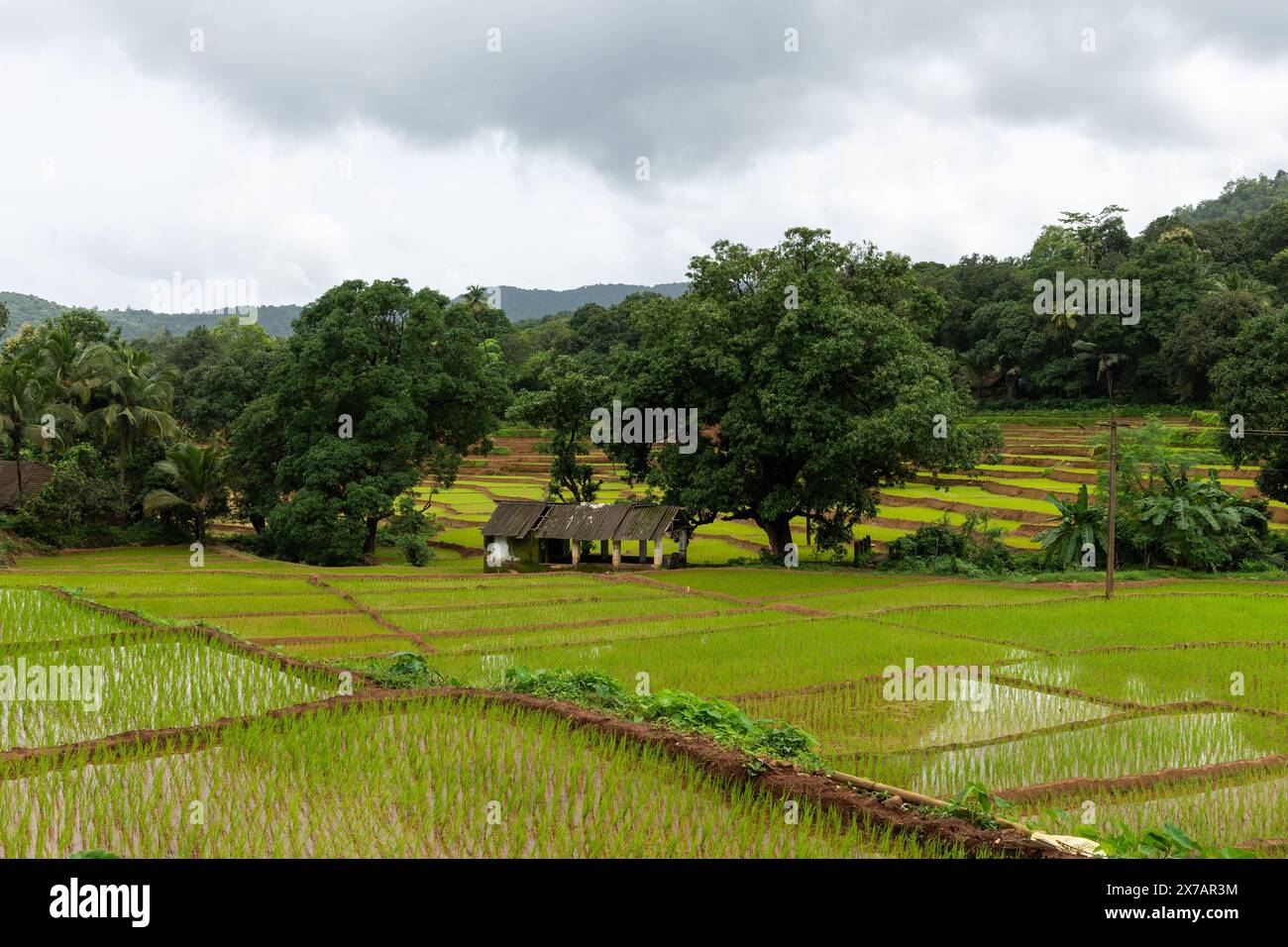
India’s farms look different everywhere: golden wheat fields in Punjab, saffron flowers in Kashmir, tea gardens in the Northeast and Nilgiris, and green paddy fields in Kerala. Crops grow well only if the soil, water, climate, and land are right.

Quick Fact for You: Imagine a farmer in Punjab harvesting wheat – that golden scene is what makes India the world’s second-largest producer of wheat!
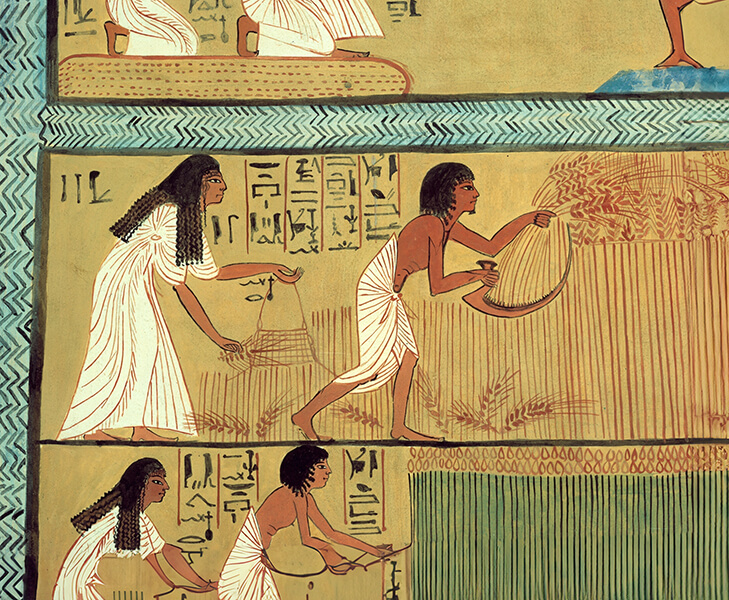
2. Echoes From The Past – Farming is Very Old in India!
Farming in India started thousands of years ago. Archaeologists found:
- Rice grown in the Ganga Plain around 7000-8000 BCE.
- Barley and millets at Mehrgarh (now in Pakistan) at the same time.
During the Harappan civilisation (Indus Valley):
- Main crops were wheat and barley.
- They also grew rice, millets, vegetables, and kept animals like cattle, goats, sheep, pigs, and chickens.
Later, people started growing oilseeds, pulses (like dal), fruits, and more. Ancient books tell us a lot:
- Sangam literature (Tamil books) and Kautilya’s Arthashastra talk about farming, gardening, and animal care.
- Vrikshayurveda by Surapala gives tips like treating seeds with milk, cow dung, honey, and spices so they grow faster.
- Trees in dry areas need watering twice a day for 15 days.
- Grafting (joining parts of plants to make better ones) was used back then – and we still use it today!
These old methods show our ancestors were smart and careful with nature.
3. Climate, Seasons, and Crops – What Grows Where and When?
India has super diverse weather, so different crops grow in different places. A Chinese traveller named Xuanzang (7th century) noticed how soil, plants, and fruits changed from region to region.
India has 15 agro-climatic zones (areas decided by climate + soil + land). There are 7 main climate types:
- Alpine (cold Himalayas)
- Temperate (lower Himalayas)
- Subtropical (Northern plains)
- Arid (Thar Desert)
- Tropical wet (West coast)
- Semi-arid (Deccan Plateau)
- Tropical (East and South India)
The Monsoon – Our Rain Friend! Most of our farming depends on monsoon rains.
- Southwest monsoon (June–September): Brings rain for Kharif crops.
- Northeast monsoon (October–December): Helps eastern and southern states.
States like Tamil Nadu, West Bengal, and Andhra Pradesh can grow rice all year because of good rain + irrigation.
Three Cropping Seasons (Rhythm of Farming): These names come from Arabic (used in Mughal times):
- Kharif (June–October): Rain-loving crops like rice, maize, cotton, soybean. Sown when monsoon starts.
- Rabi (November–April): Winter crops like wheat, barley, mustard, pulses. Need less rain, more cool weather.
- Zaid (March–June): Short summer crops like watermelon, cucumber, vegetables.
(Old Indian names: Kedara for Kharif, Haimana for Rabi, Graishmika for Zaid.)
Too much or too little rain can destroy crops – that’s why farmers pray for balanced monsoon!

4. Soil – The Foundation of All Farming!
Soil is the thin top layer of Earth that gives food and home to plants. It takes millions of years to form from broken rocks + dead plants/animals (humus).
How Soil Forms: Rain, wind, heat, and cold break big rocks into tiny pieces. Dead leaves and animals mix in. This makes fertile topsoil full of nutrients.
Six Major Soils of India:
- Alluvial soil: Very fertile, found in river plains (Ganga, Indus). Great for wheat, rice, sugarcane.
- Black soil: Sticky when wet, found in Deccan Plateau. Perfect for cotton (called “black cotton soil”).
- Red soil: Less fertile, found in southern and eastern India. Good for millets, pulses with some fertiliser.
- Laterite soil: Found in hills with heavy rain. Used for tea, coffee after adding manure.
- Desert soil: Sandy, low nutrients (Rajasthan). Needs irrigation for crops.
- Mountain/Alpine soil: Thin and rocky (Himalayas). Good for fruits in valleys.
Soil + climate together decide what grows best!

How Farmers Keep Soil Healthy (Soil Conservation):
- Traditional ways: Crop rotation (change crops every season), multiple cropping, contour ploughing (along hills), using cow dung as natural fertiliser.
- Modern ways: Terracing on hills, planting trees (afforestation), mulching (covering soil with leaves), drip irrigation, using exact amount of fertilisers.
Healthy soil = happy crops and happy farmers!
5. Water: Rain-Fed vs Irrigated Agriculture
Water is life for farming! Two main types:
A. Rain-Fed Agriculture
- Depends only on rainfall.
- Farmers grow drought-resistant crops.
- Risky if monsoon fails – but common in many areas.
B. Irrigated Agriculture
- Uses extra water from canals, wells, tanks, rivers.
- Traditional methods:
- Phad system (Maharashtra – community canals)
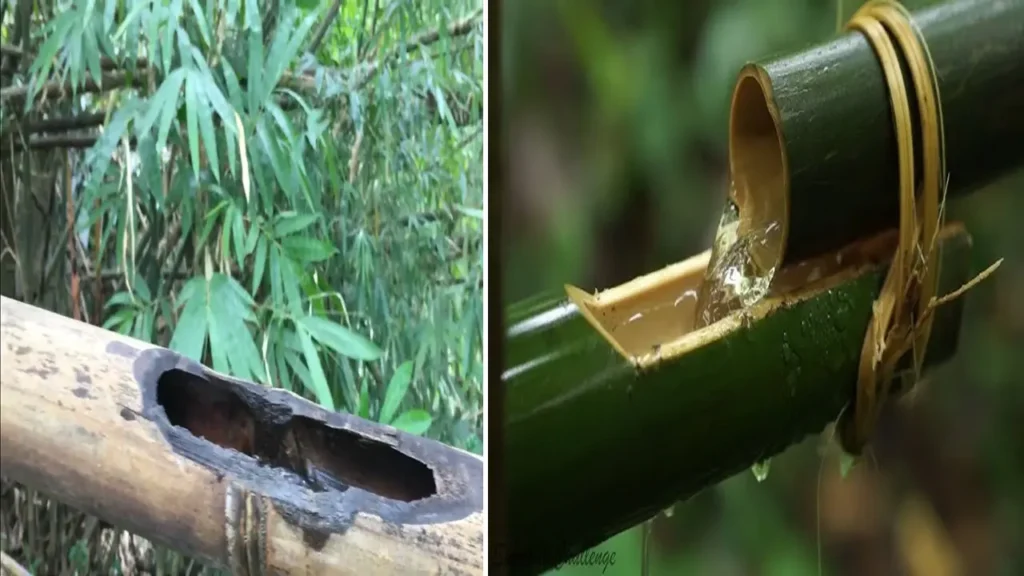
- Bamboo drip irrigation (Meghalaya – water drops slowly through bamboo pipes)
- Old structures like ahar, kund, eri, surangam.
- Modern methods:
- Drip irrigation (trickle system): Water drops straight to roots – saves 70% water!
- Sprinkler irrigation: Like artificial rain.
These methods help grow more crops even when rain is less.
![Explainer] What is micro irrigation?](https://imgs.mongabay.com/wp-content/uploads/sites/30/2024/09/09001315/irrigation-7262563_1920-768x512.jpg)
Key Takeaways (Revise Fast!)
- Farming is ancient + modern in India.
- Monsoon decides Kharif, Rabi, Zaid seasons.
- Soil and water are the real heroes of farming.
- We must protect soil and use water wisely for future.
Why This Chapter Matters: Farming feeds 1.4 billion Indians. Understanding it helps us respect farmers and think about sustainable ways (no waste, save water, healthy soil).
Practice Tip: Draw a table of Kharif vs Rabi crops in your notebook. Visit a nearby field or watch a farming video – connect what you learned!