Class 7 Science Chapter 3: Electricity: Circuits and their Components
(NCERT Curiosity Textbook, Grade 7, Reprint 2026-27)
Easy-to-Remember Detailed Notes (Organised in simple points, with mnemonics, key tips & activities for quick recall. All content based directly on the official NCERT book from ncert.nic.in)
1. Why Study Electricity? (Introduction)
- Electricity is everywhere in our daily life: Lighting → homes, streets, schools Cooking → kettle, mixer, microwave Entertainment → TV, radio Communication → mobile, internet Transportation → trains, lifts, scooters Heating/Cooling → fan, heater, AC, fridge
- Mnemonic: “L-C-E-T-H” → Lighting, Cooking, Entertainment, Transportation, Heating.
- We mostly use portable electricity (cells/batteries) for experiments.
- Safety First: Never experiment with home electricity or wall sockets. Use only cells/batteries (like in torch, clock, remote). High voltage is dangerous!
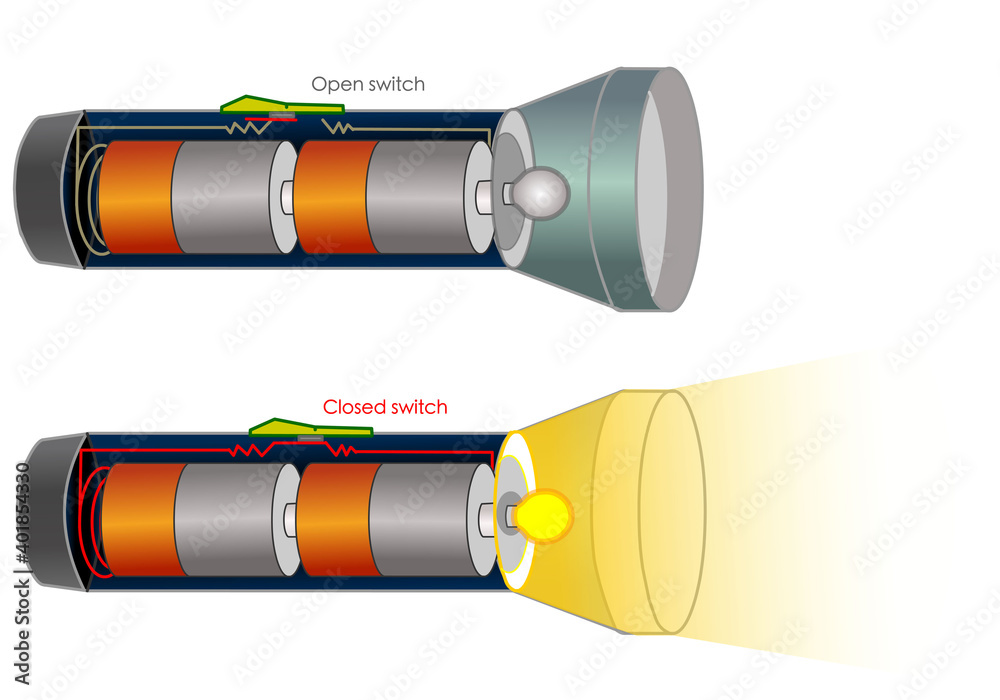
Activity Tip (3.1): Open a torch → see lamp + switch + cells inside. Slide switch → lamp glows only in one position. Remember: Switch = gate for electricity.
2. Main Components of a Simple Circuit
(a) Electric Cell (Portable Power Source)
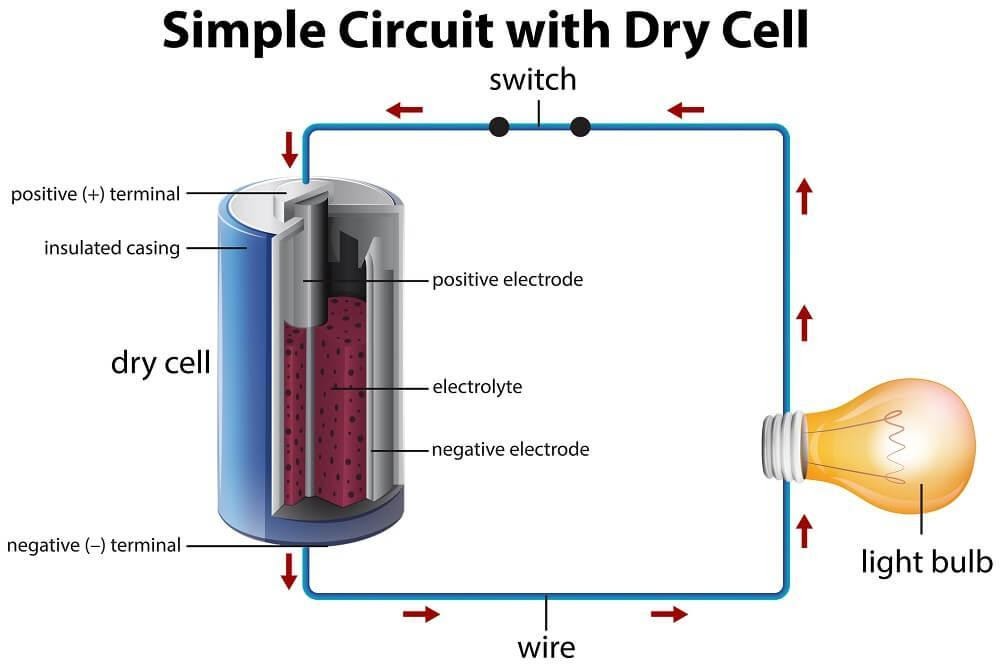
- Every cell has two terminals:
- Positive (+) → small protruding metal cap
- Negative (–) → flat metal disc
- Mnemonic: “+ cap is Positive (like a hat on top)”
- Cell stores chemical energy → converts to electrical energy.
(b) Battery
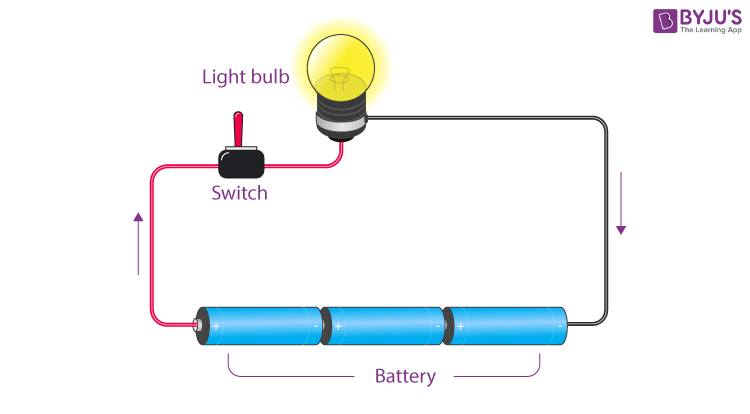
- Combination of 2 or more cells connected together.
- Rule: Positive of one cell touches Negative of next cell (like a chain: + – + –).
- Why? Gives more power & lasts longer.
- Fascinating Fact: Even a single cell is sometimes called a “battery”.
(c) Electric Lamp (Two Types)
1. Incandescent Lamp (Old type)
- Thin wire inside glass bulb = Filament.
- When current flows → filament gets hot & glows (white light).
- Two terminals: metal tip + metal case (they never touch).
- Mnemonic: “Filament = Fire inside” (gets hot & shines).

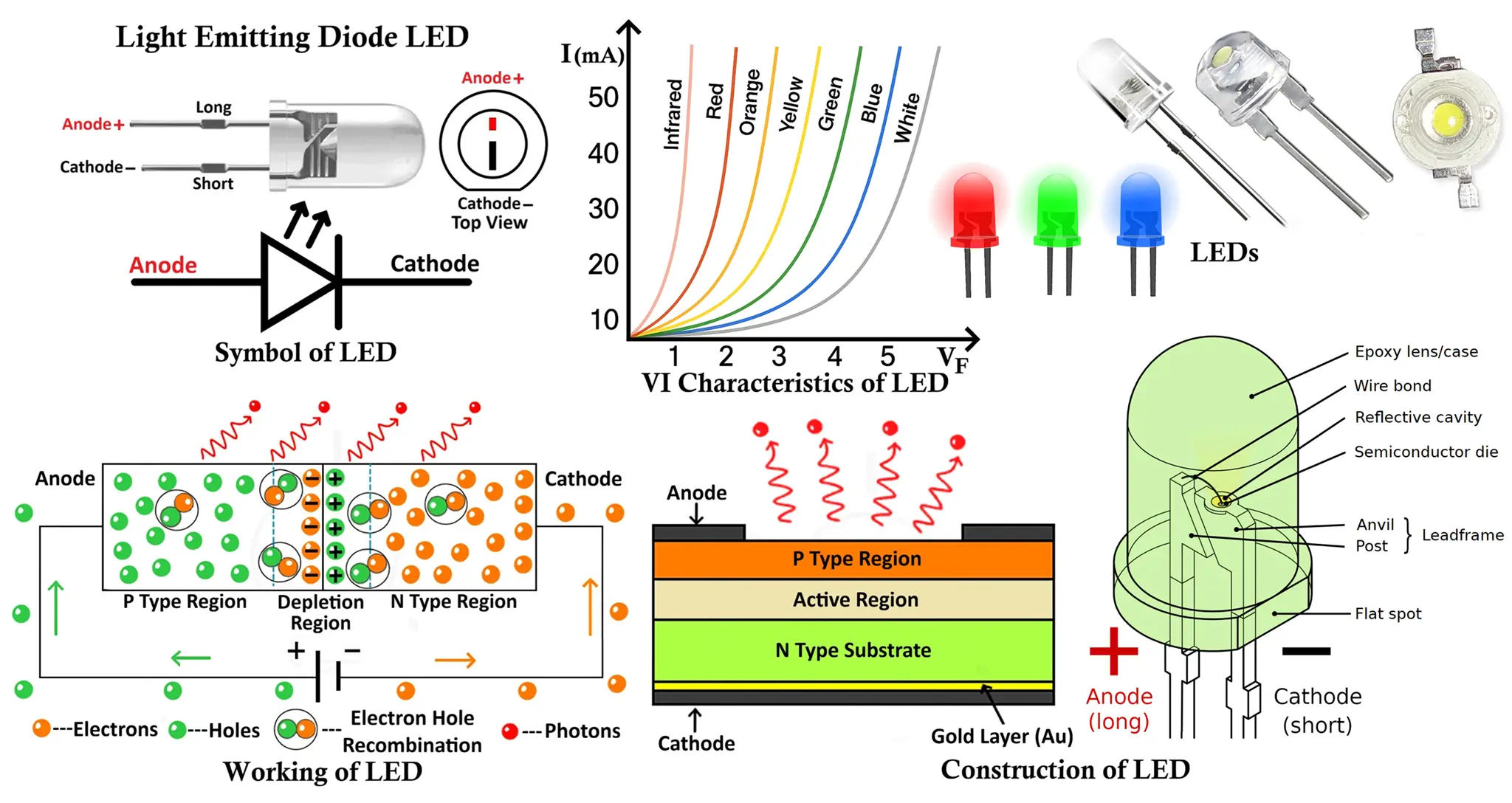
2. LED Lamp (Modern type – most torches today)
- No filament.
- Two wires: Longer wire = Positive (+), Shorter wire = Negative (–).
- Current flows only in one direction (correct polarity needed).
- Glows with very little energy, lasts longer, different colours possible.
- Mnemonic: “Long leg = Positive (like standing tall on + side)”.
3. How to Make a Lamp Glow? → Complete Electrical Circuit
- Key Rule: Electricity needs a closed loop (complete path) from + of cell → through lamp → back to – of cell.
- If path is broken → lamp does not glow.
- Current direction: Always from Positive → Negative terminal of cell.
Activity 3.6 (Do this to remember forever!) Use: cell, lamp, wires, holders/tape. Try different connections (see Table in book). Result: Lamp glows only when circuit is complete (S.No. 1 & 6 in book table). Mnemonic: “C-C-C” → Complete Circuit = Current flows = Lamp glows.

4. Switch – The ON/OFF Controller
- Switch closes or opens the circuit.
- ON = circuit closed → current flows → lamp glows.
- OFF = circuit open → current stops → lamp off.
- Can be placed anywhere in the circuit.
- Home switches work on same principle (just bigger & safer).
Activity 3.8 & 3.9 (Make your own switch): Use cardboard, safety pin, drawing pins & wires → simple toggle switch. Remember: Safety pin touching both pins = ON (like closing a bridge).
5. Important Points to Remember (Quick Revision Table)
| Component | Key Feature | Mnemonic / Tip |
|---|---|---|
| Cell | + cap, – flat disc | “Cap is Positive” |
| Battery | + of one joins – of next | Chain rule: + – + – |
| Incandescent Lamp | Filament (thin wire) gets hot | “Fire inside glass” |
| LED | Long wire = +, Short wire = – | “Long leg Positive” |
| Circuit | Must be complete loop | “No gap = Glow” |
| Switch | ON = closed, OFF = open | “Gate for current” |
LED Polarity Tip: Always connect longer wire of LED to + of battery. Wrong way → no glow (safe, no damage).
6. Quick Recall Questions (from NCERT style)
- Why does the torch lamp glow only in one switch position? → Because only then the circuit is complete.
- What is a battery? → Two or more cells joined (+ to –).
- Difference between incandescent lamp & LED? → Incandescent has filament (gets hot), LED has no filament, needs correct polarity.
- Why is a complete circuit necessary? → Current needs a closed path to flow and make the lamp glow.
Pro Tip for Exams: Draw labelled diagrams of (i) simple circuit, (ii) cell terminals, (iii) LED connection. Practice Activity 3.6 table – it appears in questions!
These notes cover every concept, activity, figure & explanation from the official NCERT Curiosity Chapter 3. Revise by doing the activities at home (with adult help) – practical = perfect memory! Use the mnemonics daily for super-fast recall.
Happy learning! Electricity is fun when you build circuits yourself.