Class 7 Science Chapter 2: Exploring Substances – Acidic, Basic, and Neutral
(New NCERT Curiosity Textbook 2026-27 – Full Detailed Notes)
These notes cover everything from the official NCERT book chapter. Written in simple, easy-to-remember language with bullets, tables, examples, and memory tips. All activities, indicators, neutralisation, and real-life uses are included exactly as in the book.
1. Introduction (Science Fair Story – Easy Hook)
At the science fair, Ashwin and Keerthi get a white paper sprayed with invisible liquid → words “Welcome to the Wonderful World of Science” magically appear! Why? Colour change due to acid-base reaction. This chapter explores how substances around us are acidic, basic, or neutral using natural indicators. Memory Tip: Think of Nature as our free science lab!

2. Nature – Our Science Laboratory (Section 2.1)
We test household items like lemon juice, soap, vinegar, baking soda, etc.
Activity 2.1: Litmus Paper Test (Most Important Indicator)
Steps (Remember in order):
- Collect 12 samples (lemon juice, soap solution, amla juice, tamarind water, vinegar, baking soda, lime water, tap water, washing powder, sugar, salt solution + any other).
- Cut blue litmus paper into pieces → put drops → observe.
- Repeat with red litmus paper.
- Record in Table 2.1 (blue/red colour change).
Results (Easy Table to Memorise):
| Group | What happens to Litmus | Examples | Nature |
|---|---|---|---|
| A | Blue litmus → Red | Lemon, vinegar, tamarind, amla | Acidic |
| B | Red litmus → Blue | Soap, baking soda, lime water, washing powder | Basic |
| C | No change in either | Tap water, sugar, salt solution | Neutral |
Key Fact: Litmus is made from lichens (fungus + alga). It is a natural acid-base indicator (changes colour in acid or base). Memory Tip: “Blue → Red = Acid” (B.R.A.) and “Red → Blue = Base” (R.B.B.)
Taste & Touch Clue (Activity 2.2):
- Acidic substances taste sour (lemon, curd, vinegar).
- Basic substances feel slippery/soapy and taste bitter. Caution: Never taste unknown things!
Common Acids in Food (Fig. 2.4 – Super Easy to Remember):
- Lemon → Citric acid
- Curd → Lactic acid
- Tamarind → Tartaric acid
- Vinegar → Acetic acid
- Amla → Ascorbic acid (Vitamin C) + Citric acid
3. Other Natural Indicators (No Litmus? No Problem!)
Red Rose Indicator (Activities 2.3 & 2.4)
How to prepare (Activity 2.3):
- Collect fallen red rose petals (don’t pluck).
- Crush → add hot water → wait 5-10 min → filter → get coloured extract.
How to test (Activity 2.4):
- Put extract in two test tubes (A & B).
- Add lemon juice (acid) to A → colour becomes red.
- Add soap solution (base) to B → colour becomes green.
- Neutral = no change.
Memory Tip: Red rose → Red in Acid, Green in Base (like traffic light: Red = stop/acid, Green = go/base).

Turmeric (Haldi) Indicator (Activity 2.5)
How to prepare:
- Make turmeric paste → dip filter paper → dry → cut strips (yellow turmeric paper).
Result:
- Basic → yellow turmeric paper turns red.
- Acid or Neutral → remains yellow (no change).
Memory Tip: Turmeric only “lights up red” for bases (like a red alert for bases). Great for stains: curry stain + soap (base) → colour change!

Olfactory Indicators (Smell Indicators – Activity 2.6)
Onion smell changes:
- Acid (tamarind water) → smell remains strong.
- Base (baking soda) → smell disappears or changes.
Other examples: Vanilla, clove.
4. What Happens When Acid + Base Mix? (Section 2.2 – Neutralisation)
Activity 2.7 (Super Important Experiment):
- Lemon juice (acid) + blue litmus → turns red.
- Add lime water (base) drop by drop → colour changes back to blue (neutralised).
- Add extra lemon → turns red again.
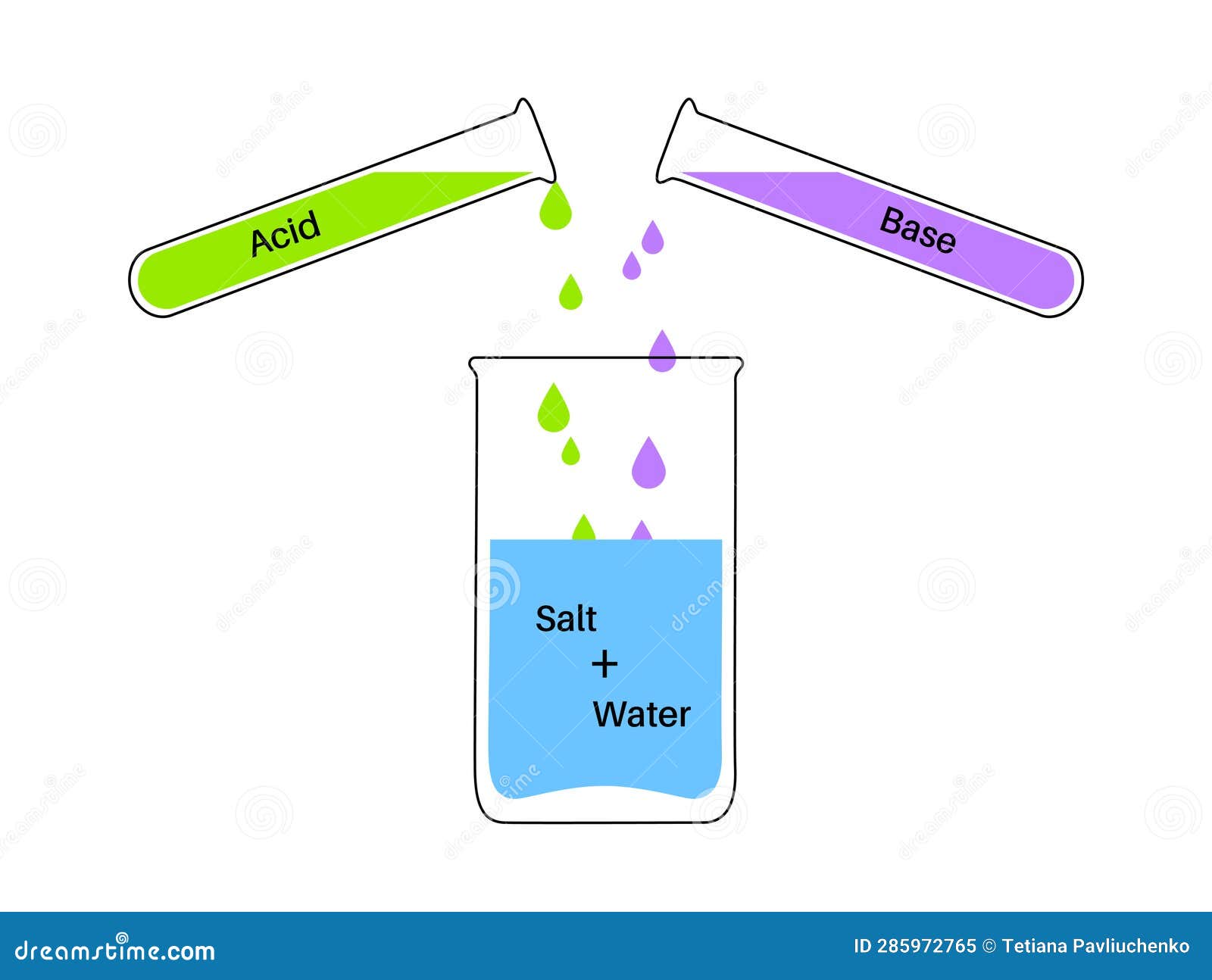
Reaction (Easy Formula to Remember): Acid + Base → Salt + Water + Heat (Neutralisation reaction – heat is released)
5. Real-Life Applications (Very Important for Exams)
- Red Ant Bite: Formic acid injected → pain. Rub moist baking soda (base) → neutralises acid → relief.
- Soil Treatment:
- Too acidic → add lime (base).
- Too basic → add manure/compost (releases acids).
- Factory Waste: Acidic waste harms rivers/fish → neutralise with base before releasing.
Fascinating Fact: Hydrangea flowers change colour with soil pH!
- Acidic soil → Blue flowers
- Basic soil → Pink/Red flowers

6. In a Nutshell (Summary – Revise This Daily!)
- Substances = Acidic / Basic / Neutral.
- Indicators: Litmus (blue/red), Red rose (red/green), Turmeric (yellow → red in base), Olfactory (onion).
- Acids: Sour taste, turn blue litmus red.
- Bases: Slippery, turn red litmus blue, turn turmeric red.
- Neutral: No change.
- Neutralisation: Acid + Base = Salt + Water + Heat.
- Used in daily life: ant bite, soil, waste treatment.
7. End-of-Chapter Questions (Practice – Answers for Quick Revision)
- Red litmus → blue → excess of what reverses? → Vinegar (acid).
- Solutions A, B, C all basic (red litmus blue, turmeric red, rose green). 3-12. All match the indicators above (use the colour rules).
Pro Tip to Remember Everything: Make a mind map → Litmus (centre) → arrows to Rose, Turmeric, Olfactory → all point to Acid/Base/Neutral → finally arrow to Neutralisation + Applications.
These notes are 100% complete from the new 2026-27 Curiosity NCERT book (gecu102.pdf). Study with the activities at home – they make concepts stick forever! Revise the tables and colour rules daily for perfect scores. Happy learning! 🧪🌹