Chapter 7: The Gupta Era – An Age of Tireless Creativity
Hey student! These notes are made super simple, like a friendly story. Read once, remember forever. We use easy words, short points, fun facts, and pictures from the NCERT book style. No tough words. Just like your notebook!
1. What is this chapter about? (Big Idea)
The Gupta time (around 300 CE to 550 CE) was like a golden period in North India. Kings were strong but kind. People lived in peace. Art, poems, science, temples, and knowledge grew like never before. That is why historians call it the “Classical Age” or “Age of Tireless Creativity”. Everything was creative and beautiful – no rest, always new ideas!
Quote to remember (from poet Kalidasa): “Neither force nor mere diplomacy can eliminate evil; nor is righteousness upheld by flattery alone. It is wisdom and knowledge that truly strengthen a kingdom — not indulgence in luxuries.”
Easy tip to remember: Think “Gupta = Golden Peace + Genius People”.
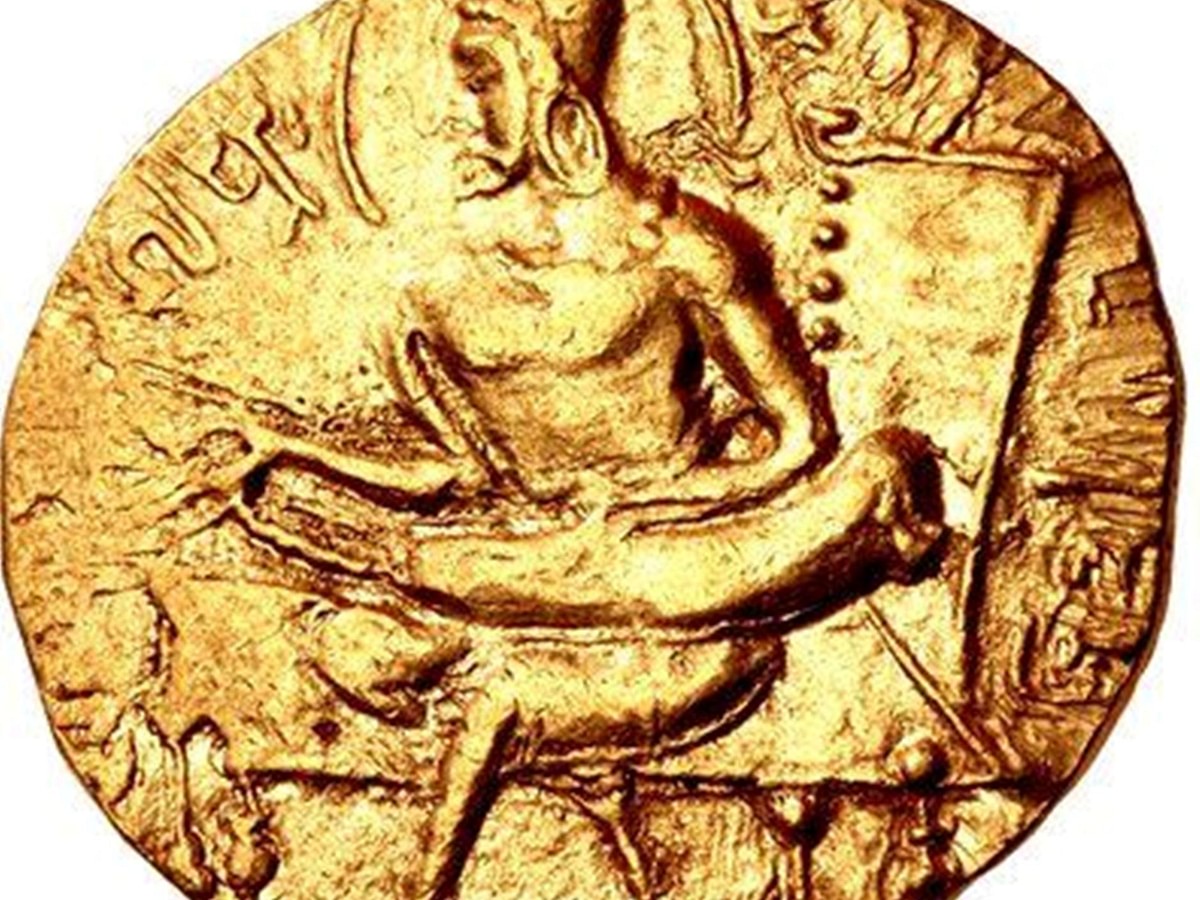
Picture above: Samudragupta’s gold coin. See him playing the veena (musical instrument)? It shows even kings loved art!
2. Who were the Guptas? How did they rise?
- After the Kushana Empire became weak (around 3rd century CE), a new family called Guptas rose in the north.
- Capital: Pataliputra (today’s Patna in Bihar).
- They ruled a big part of North and West India.
- They used smart tricks: wars + marriages + friendships with other kings.
Main Rulers (Easy Timeline to remember):
- Chandragupta I → Started the empire (married a powerful princess for alliance).
- Samudragupta (son) → Super warrior! Expanded the empire a lot. Called “Napoleon of India”. His poet wrote Prayag Prashasti (praise poem on a stone pillar at Allahabad).
- Chandragupta II (Vikramaditya) → Golden time! Peace everywhere. Art and science boomed.
Fun Fact: Samudragupta’s daughter Prabhāvatī Gupta married a Vakataka king. This marriage helped Guptas become even stronger without big fights.

Picture above: The famous Iron Pillar of Delhi (made in Gupta time). It is 1600+ years old and still has NO rust! Shows how clever their metal workers were.
3. How did they rule? (Administration – Super Easy)
- Not too strict like earlier kings. They gave local people some power.
- Used old ideas from Kautilya (saptanga = 7 parts of a kingdom: king, ministers, land, army, etc.).
- New fancy titles: Maharajadhiraja (great king of kings), Samrat, Chakravartin (ruler of the world).
- Coins and stone writings (inscriptions) tell us all this.
- Peace + good roads = trade grew. Money flowed in.
Remember trick: Gupta rule = “Smart + Friendly + Rich”.
4. What else was happening in India at the same time?
Other kingdoms also existed (see map in book):
- Vakataka (central India)
- Kamarupa (Assam area)
- Pallava (south, capital Kanchipuram)
Guptas were the strongest in the north, but all lived side by side.
5. Why “Age of Tireless Creativity”? (The Best Part!)
Peace gave people time to create amazing things.
A. Art & Architecture
- Beautiful temples built with stone.
- Example: Dashavatara Temple at Deogarh (first proper Hindu temple style).
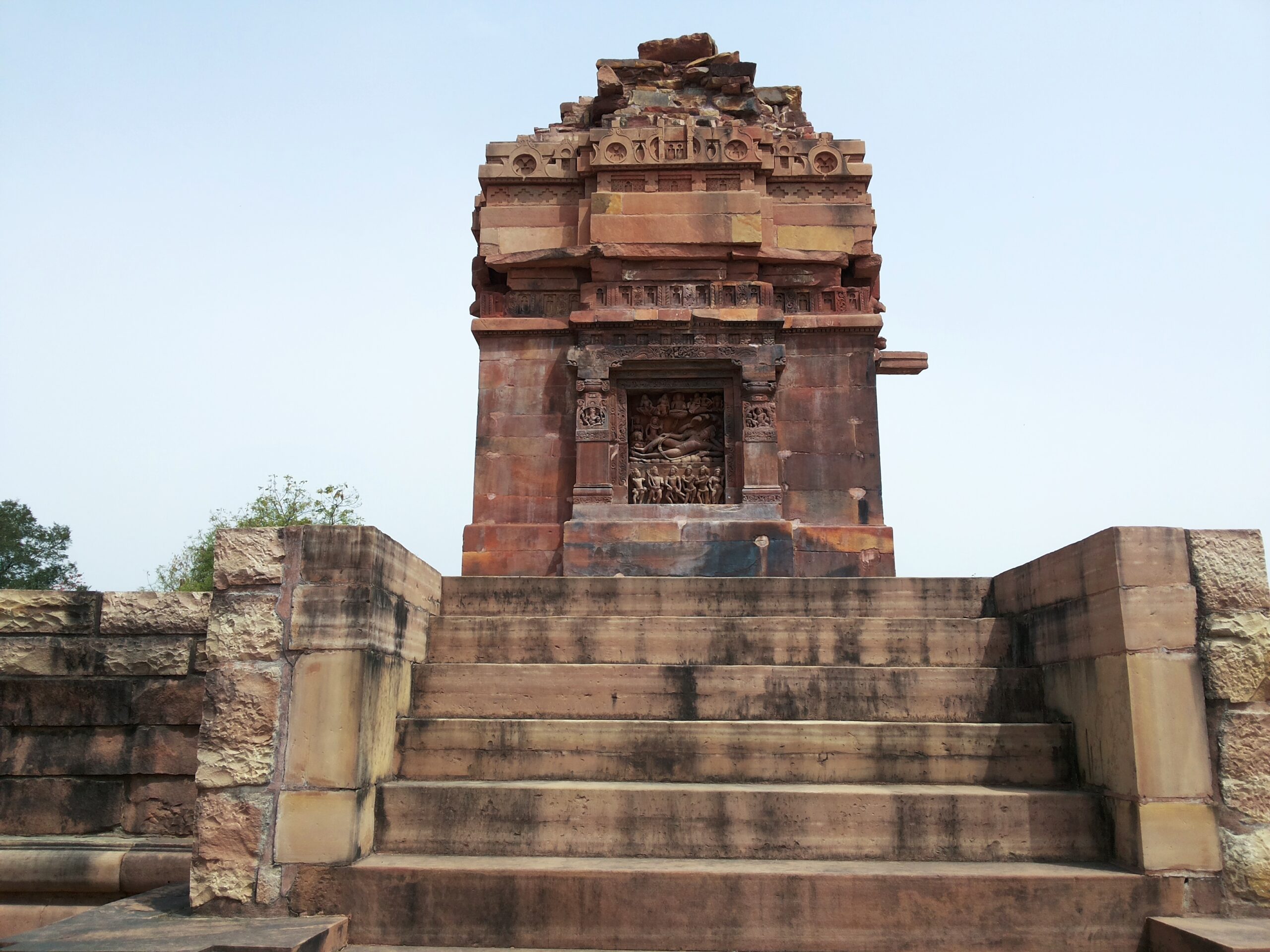
Picture above: Dashavatara Temple, Deogarh – Gupta style temple with carvings of Vishnu’s 10 avatars.
- Sculptures were realistic and graceful.
- Buddhist and Hindu both respected.
B. Literature (Books & Poems)
- Sanskrit became super popular.
- Greatest poet: Kalidasa – wrote plays and poems like Abhijnana Shakuntalam (story of Shakuntala) and Meghaduta.
- Many Puranas (old stories of gods) were written or improved.
C. Science & Mathematics
- Aryabhata → Wrote Aryabhatiya. Said Earth spins on its axis, calculated planets correctly, gave value of Pi, idea of zero.
- Varahamihira → Wrote Brihat Samhita (big book on stars, weather, etc.).
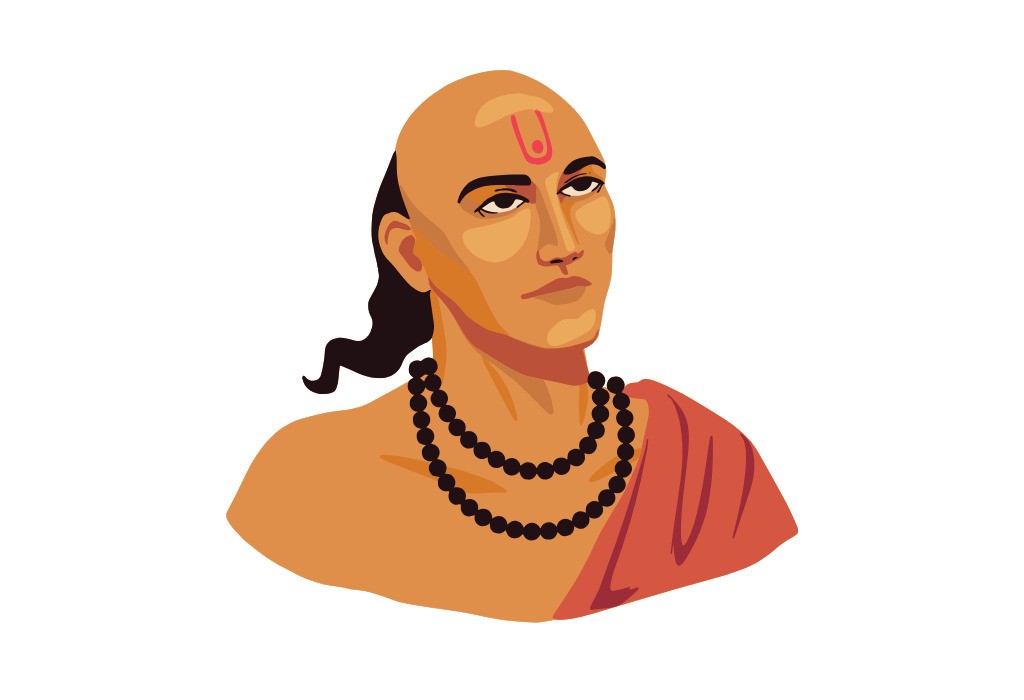
Picture above: Aryabhata – the genius mathematician and astronomer of Gupta time.
D. Other Cool Things
- Doctors improved old Ayurvedic books.
- Beautiful paintings and metal work.
Why it matters today? Many things we still use started here – zero in maths, temple style we see in India, beautiful Sanskrit stories, and the idea that knowledge makes a country strong.
6. Quick Revision – One-Line Memory Points (A to Z style)
- Age of Creativity → Gupta Era
- Big empire in North India, capital Pataliputra
- Chandragupta I & II + Samudragupta = main kings
- Dashavatara Temple = example of art
- Everyone peaceful → trade & money grew
- Famous poet Kalidasa
- Golden coins with king playing veena
- High titles like Maharajadhiraja
- Iron Pillar of Delhi (no rust!)
- Justice & wisdom > force (Kalidasa quote)
- Knowledge = real power
- Literature & Puranas
- Mathematics boom (Aryabhata)
- North India main area
- Other kingdoms: Vakataka, Pallava, Kamarupa
- Prayag Prashasti (Samudragupta’s praise)
- Quiet peaceful time = creativity
- Rulers used alliances + marriages
- Science & astronomy
- Tireless Creativity = chapter name
- Used Sanskrit everywhere
- Vikramaditya = Chandragupta II
- Wisdom strengthens kingdom
- Xtra ordinary art & temples
- Years: 300–550 CE (peak)
- Zero invented (Aryabhata helped)
7. Let’s Think & Remember (Like NCERT Questions)
- Why is Gupta time called Classical Age? (Peace + great art/science)
- Name two scientists and one poet. (Aryabhata, Varahamihira, Kalidasa)
- What does the Iron Pillar show? (Advanced technology)
- How did marriages help Guptas? (Prabhāvatī Gupta example)
Pro Tip for Exam: Draw a small timeline: 300 CE (rise) → Samudragupta (wars) → Chandragupta II (golden age) → 550 CE (end). Add one picture in your mind for each.
You now know the full chapter in simple words! Revise these points 2 times and you will remember everything forever. Keep smiling and studying! 🌟
(Images shown are exactly like the ones in your NCERT book – maps, coins, pillars, temples, and great people.)