Class 8 SST Chapter 7: Factors of Production
Book: Exploring Society: India and Beyond (New NCERT 2026-27)
Theme: Economic Life Around Us
Easy Notes in Simple Words – Full A-Z Coverage
What is Production?
Every item you use — clothes, shoes, phone, food, bag, furniture — is made through production. Production needs inputs (resources). These inputs are called Factors of Production. Businesses mix these factors to make goods and services. This also creates jobs.
Example: Ratna runs a small restaurant “Pause Point”. She needs land (place), money (for rent & equipment), workers (to cook & serve), ingredients, and a good plan to succeed.
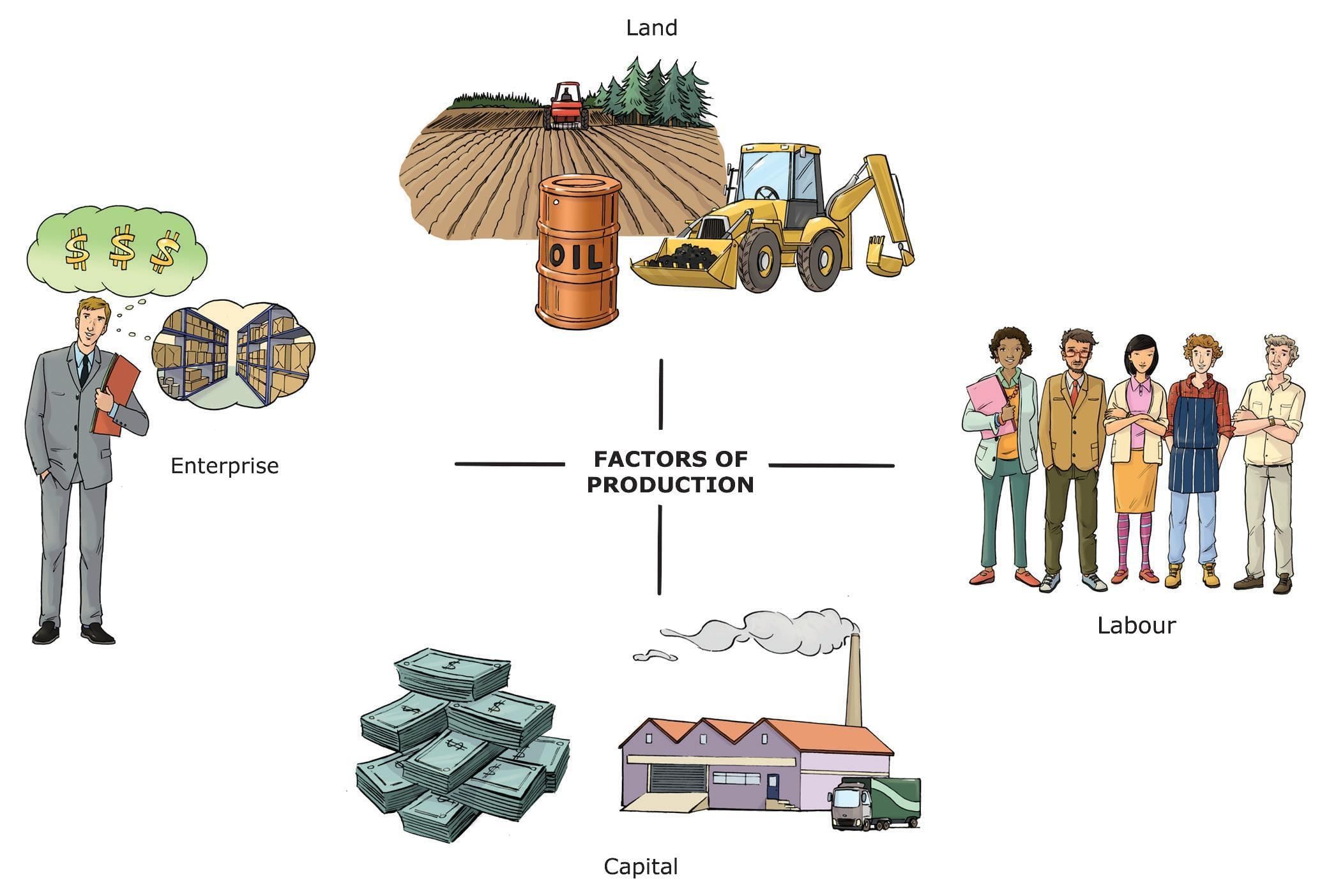
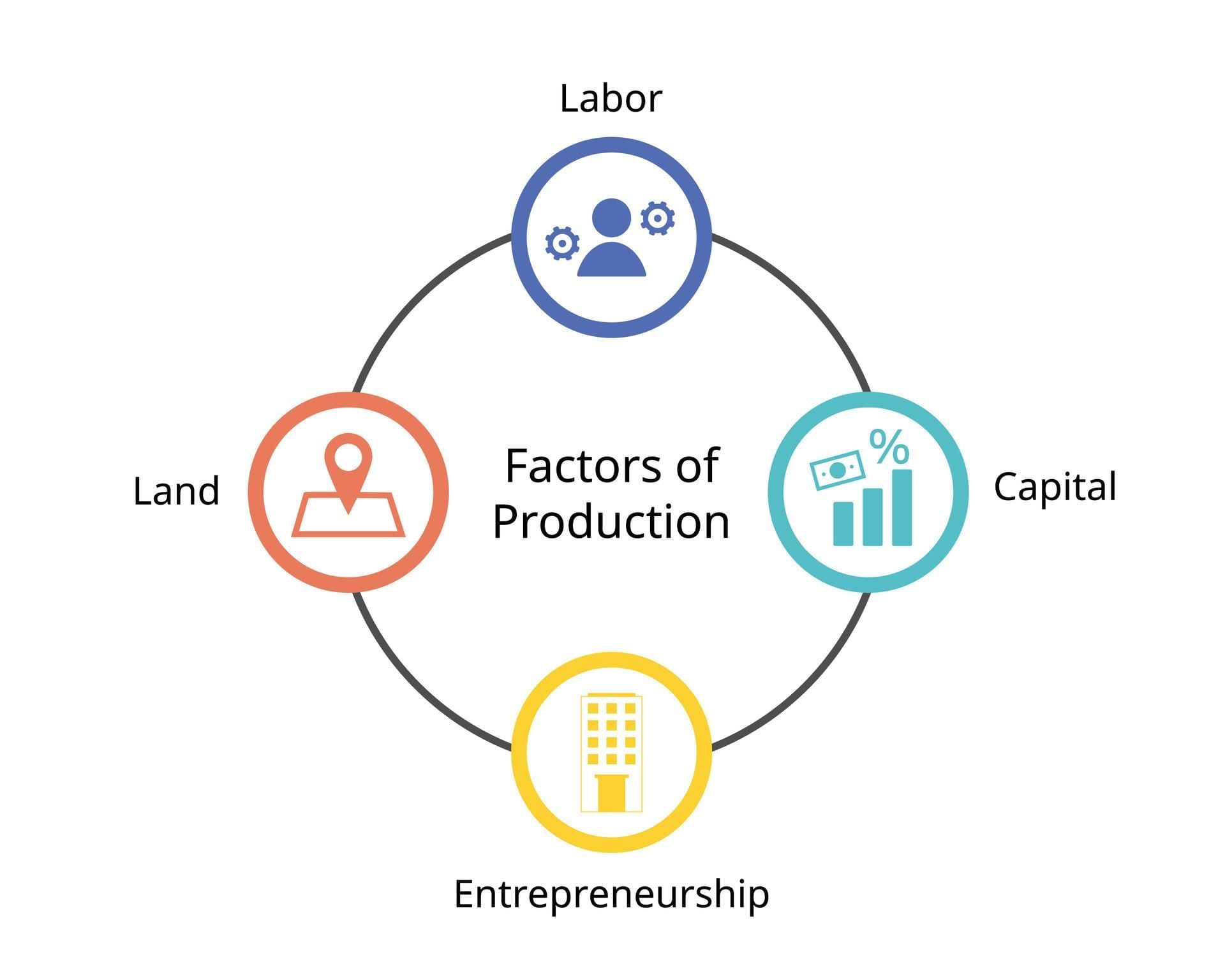
The 4 Main Factors of Production + Technology
- Land (Natural Resources)
- Labour (Human Effort)
- Capital (Money & Tools)
- Entrepreneurship (Organising & Risk-taking) Technology – A powerful helper (not a basic factor but very important).
1. Land (Natural Resources)
- Means not just soil but all gifts from nature: soil, water, forests, air, sunlight, minerals, oil, gas.
- Businesses buy land or pay rent.
- From earlier chapter: We must use resources carefully so future generations also get them.
Let’s Explore: Look at local shops — which inputs are from “land”? (Example: vegetables, water, space for shop).


2. Labour (Human Resources)
- Physical and mental effort people put in work.
- Examples: Farmers, carpenters, teachers, doctors, factory workers.
- Different people use different skills and strength.
Human Capital = Special skills, knowledge, experience that make labour better and more productive. Not just working hard, but working smart and efficiently.
Facilitators of Human Capital (Things that improve it):
- Education & Training: School gives knowledge. Training gives practical skills (e.g., engineer learns on site).
- Healthcare: Healthy body and mind = better learning and work. Good hospitals help.
- Social & Cultural Influences: Hard work culture, kaizen (continuous improvement in Japan), German punctuality & quality.
Challenges in India:
- Literacy: Males ~85%, Females ~70% (2023).
- Many young people (65% below 35) → Demographic Dividend (big chance for growth if we educate and train them well).
- Dropout from school hurts future jobs.
Think About It: If a child drops out due to family problems, how does it affect his/her future? Businesses suffer if workers lack skills.

3. Capital (Physical Capital)
- Tools, machines, buildings, vehicles, money needed for business.
- Fixed Capital: Lasts long (factory, machines).
- Working Capital: Used up quickly (raw materials, wages).
- Money is needed to buy or rent these.
Example: Restaurant needs kitchen equipment, tables, gas, etc.
4. Entrepreneurship
- The organiser who brings all factors together.
- Takes risks, makes decisions, solves problems, innovates.
- Motivations: Profit + desire to create something useful.
- Qualities: Vision, hard work, honesty, courage, creativity.
Famous Example: J.R.D. Tata
- Built Tata Group, started Air India.
- Cared for workers, helped society.
- Received Bharat Ratna.
- Lesson: Business should serve nation, not just earn money.
Think About It: What traits make a good entrepreneur? Is profit the only goal?
Technology: The Super Helper
- Uses science to make work easier, faster, better.
- Examples: UPI payments, weather apps for farmers, GPS for transport, drones for spraying fertilisers, robots in surgery, online learning (SWAYAM).
- Old tech like pulleys still useful.
- Helps access education, skills, and jobs across India (removes distance barriers).
How Factors are Connected (Interlinked)
- All factors work together like puzzle pieces.
- Proportion changes by product:
- Labour-intensive: Farming, construction (more people).
- Capital-intensive: Making chips or phones (more machines).
- They depend on each other. If one is missing, production stops.
- Supply chain: Getting materials from different places. COVID showed problems when chains break.
- India is now 2nd largest mobile phone maker! (R&D → raw materials → assembly → distribution).
Flow of Mobile Phone Production (Simple): Start → Land & Factory → Raw Materials → R&D (new ideas) → Assemble + Software → Test → Package → Sell → End.
Human effort + Entrepreneur guidance at every step.
Responsibilities (We Must be Careful)
- Towards Land/Nature: Reduce pollution, recycle, use sustainably. Example: Leather factories in Tamil Nadu pollute rivers — must treat waste.
- Towards Workers: Fair pay, safe conditions, training, no discrimination, health benefits.
- Corporate Social Responsibility (CSR): Companies spend 2% profits on society & environment (India first country to make it law in 2014).
Think About It: How do factories affect local people, rivers, animals? What can we do?
Quick Revision Table (Easy to Remember)
| Factor | Meaning | Reward/Return | Example |
|---|---|---|---|
| Land | Natural resources | Rent | Soil, water, minerals |
| Labour | Human effort + skills | Wages | Farmer, teacher, worker |
| Capital | Tools, machines, money | Interest/Profit | Factory, tools, cash |
| Entrepreneurship | Organiser, risk-taker, innovator | Profit | Business owner like Ratna or JRD Tata |
| Technology | Science application (helper) | Efficiency gain | UPI, drones, online courses |
Mnemonic: Land Labour Capital Entrepreneurship → LLCE (Like Little Cute Elephants!)
Key Points to Remember (Simple Words)
- Production = Combining factors to make useful things.
- Human Capital is India’s biggest strength if we educate & keep healthy.
- Factors are interdependent — teamwork is must.
- Use resources responsibly for sustainable future.
- Entrepreneurs turn ideas into reality and create jobs.
- Technology makes everything faster & smarter.
Activities You Can Do:
- Survey local shops and list their factors.
- Interview a small business owner.
- Think of a new invention to solve a problem.
- Discuss workplace culture in your family.
These notes use simple language, real examples from the book, and key activities. Revise the table daily — it covers almost everything! Study with diagrams for better memory. Best of luck for exams! 🚀