Class 8 SST — Chapter 3 — The Rise of the Marathas 🏰⚔️
Easy-to-remember notes (perfect for quick revision before exams! Use bold terms as flashcards. Mnemonics and short stories make it stick forever.)
1. Who Were the Marathas? (The Foundation Story)
- Marathas = Brave people from the Deccan plateau (today’s Maharashtra). They speak Marathi – a language with super-rich literature since the 12th century. Mnemonic: “Maha-rashtra = Maha (great) + Rashtra (nation)” – they turned a small region into a GREAT nation!
- Before Shivaji: Ruled by Yadava kings (13th century) → then Delhi sultans took over.
- Secret sauce for rise: Bhakti movement (saints like Dnyaneshwar, Namdev, Tukaram, Ramdas). They wrote poems in simple Marathi, taught devotion + social unity + political awareness. Memorable definition: Bhakti = Pure love for God (no fancy rituals needed). It gave Marathas confidence and unity – like fuel for their revolution!
- Key fact: Marathas were not just fighters; they were poets, farmers, and thinkers who loved their land.
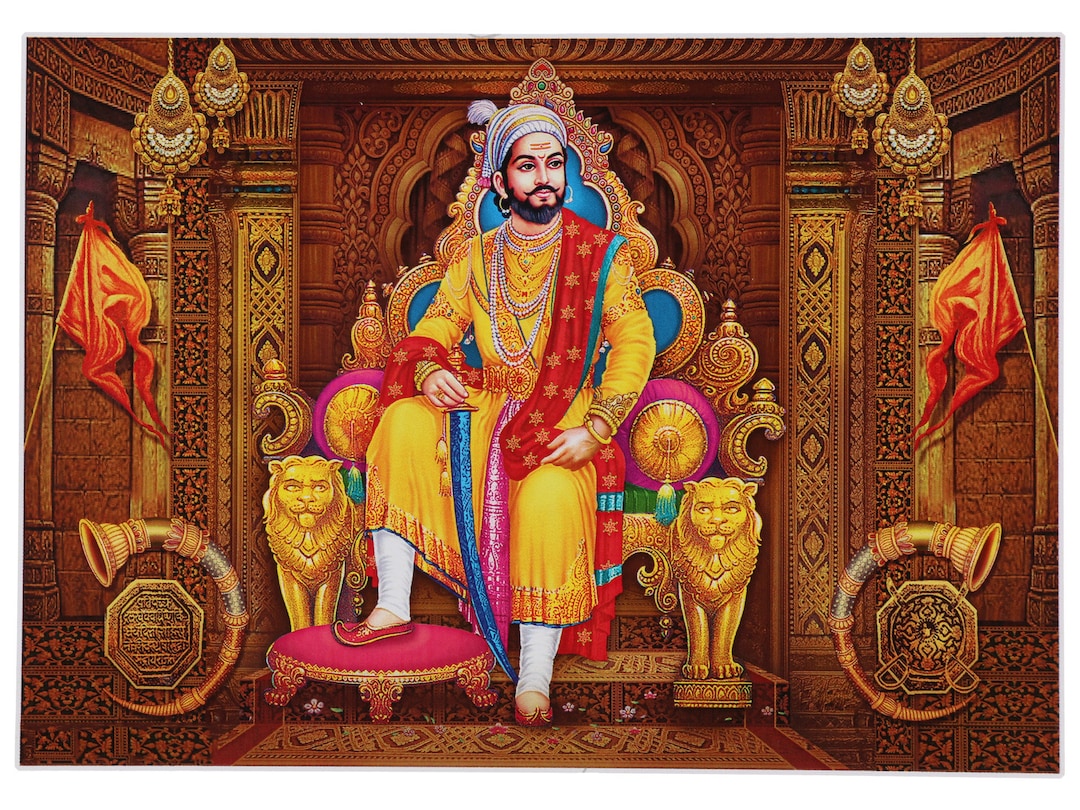
(Chhatrapati Shivaji Maharaj – the legendary founder!)
2. Rise of Shivaji – The Hero Who Built Swarajya (1630–1680)
- Born: 1630 in Bhonsle clan (Pune area). Mother Jijabai taught him bravery + love for motherland. Father Shahji worked for Deccan sultans.
- Dream: Swarājya = Self-rule kingdom (political + economic + cultural freedom). Mnemonic: “Swa = Self, Rājya = Rule” → “My land, my rules!”
- Super strategies (easy to remember as 3 F’s + 1 N):
- Forts = Backbone of power (hundreds of hill forts like Raigad). Quote to remember: “Forts are the core of the state!”
- Guerrilla warfare (Ganimi Kava) = Hit-and-run like lightning! Small teams, surprise attacks, use hills & speed to beat huge armies.
- Navy (started 1657) = First Indian coastal navy to control trade routes. Built Sindhudurg fort.
- Fierce battles (story-style for memory):
- Killed Afzal Khan with wāgh nakh (tiger claw) at Pratapgad → “Tiger vs Tiger!”
- Night raid on Shaista Khan (Mughal) → cut off his fingers!
- Looted Surat twice (got 1 crore rupees) but spared temples & poor.
- Epic escapes & wins: Imprisoned in Agra by Aurangzeb → escaped in sweet baskets! Coronated Chhatrapati at Raigad Fort in 1674 (new era started). Conquered South (Dakṣhiṇa digvijaya).
- Memorable fact: Shivaji banned Dutch slave trade – cared for his people like a true king.

(Raigad Fort – where Shivaji was crowned! Symbol of Maratha strength.)
3. Maratha Administration – Smart & Fair Governance
- Under Shivaji: Super organized and fair (no corruption!).
- Ashta Pradhan Mandala (Council of 8 Ministers) – like a modern cabinet. Mnemonic: “P-A-M-S-N-P-S-D” → Peshwa, Amatya, Mantri, Sachiv, Nyayadhish, Panditrao, Senapati, Dabir.
- Paid salaries (no jagirs/hereditary posts).
- Pensions for soldiers’ widows + jobs for sons.
- Taxes: Chauth (25% of revenue from neighbouring areas) + Sardeshmukhi (extra 10%) = smart way to fund army without looting own people.
- Justice: Village panchayats + strong laws. Promoted trade & good roads.
- After Shivaji (1680 onwards):
- Son Sambhaji & brother Rajaram fought Aurangzeb bravely.
- Queen Tarabai – warrior queen who led from the front!
- Peshwas (prime ministers like Bajirao I) became super powerful → turned Marathas into pan-Indian empire.
- Controlled from Peshawar to Tamil Nadu at peak!
(Map of Maratha Empire at its peak – orange area shows how huge it became!)
4. Impact on Indian History (Why It Matters – Exam Favourite!)
- Biggest achievement: Largest pan-Indian power before British. Challenged Mughals for decades and won!
- Inspired others: Gave idea of Swarājya (self-rule) – later used in freedom struggle.
- Culture boost: Revived Hindu traditions but no discrimination against anyone.
- Military legacy: Guerrilla tactics still studied today. Strong navy stopped European control on coasts.
- End: Internal fights + British technology → lost in 1818 (Third Anglo-Maratha War). But British actually took India from Marathas, not Mughals!
- Lasting lesson: “Unity + smart strategy can defeat even the biggest empire.”

(Shivaji’s guerrilla warriors in action – speed, surprise, victory!)
Quick Revision Timeline (Memorize in 2 minutes)
- 1630: Shivaji born
- 1674: Coronation at Raigad
- 1680: Shivaji dies
- 1707: Aurangzeb dies (Marathas win long war)
- 1750s–60s: Peshwas expand across India
- 1761: Panipat defeat (but recovered fast)
- 1818: End of Maratha rule
Pro tip for exams: Always link Shivaji’s 3 weapons (Forts + Navy + Guerrilla) + Ashta Pradhan + Swarājya. Draw a quick mind map: Shivaji in centre → arrows to forts/navy/battles → circle of empire.
These notes are short, visual, and story-based – revise once and remember forever! 💪 If you need MCQs or mind maps next, just ask. Jai Bhavani! Jai Shivaji! 🇮🇳