Class 8 SST — Chapter 2 From Trade to Territory: The Company Establishes Power 🏴
This chapter explains how the British East India Company (a trading group) slowly became the ruler of large parts of India between the mid-1700s and 1857. It started with simple trade but turned into battles, tricks, and control over land and people.
1. Decline of the Mighty Mughals (The Starting Point)
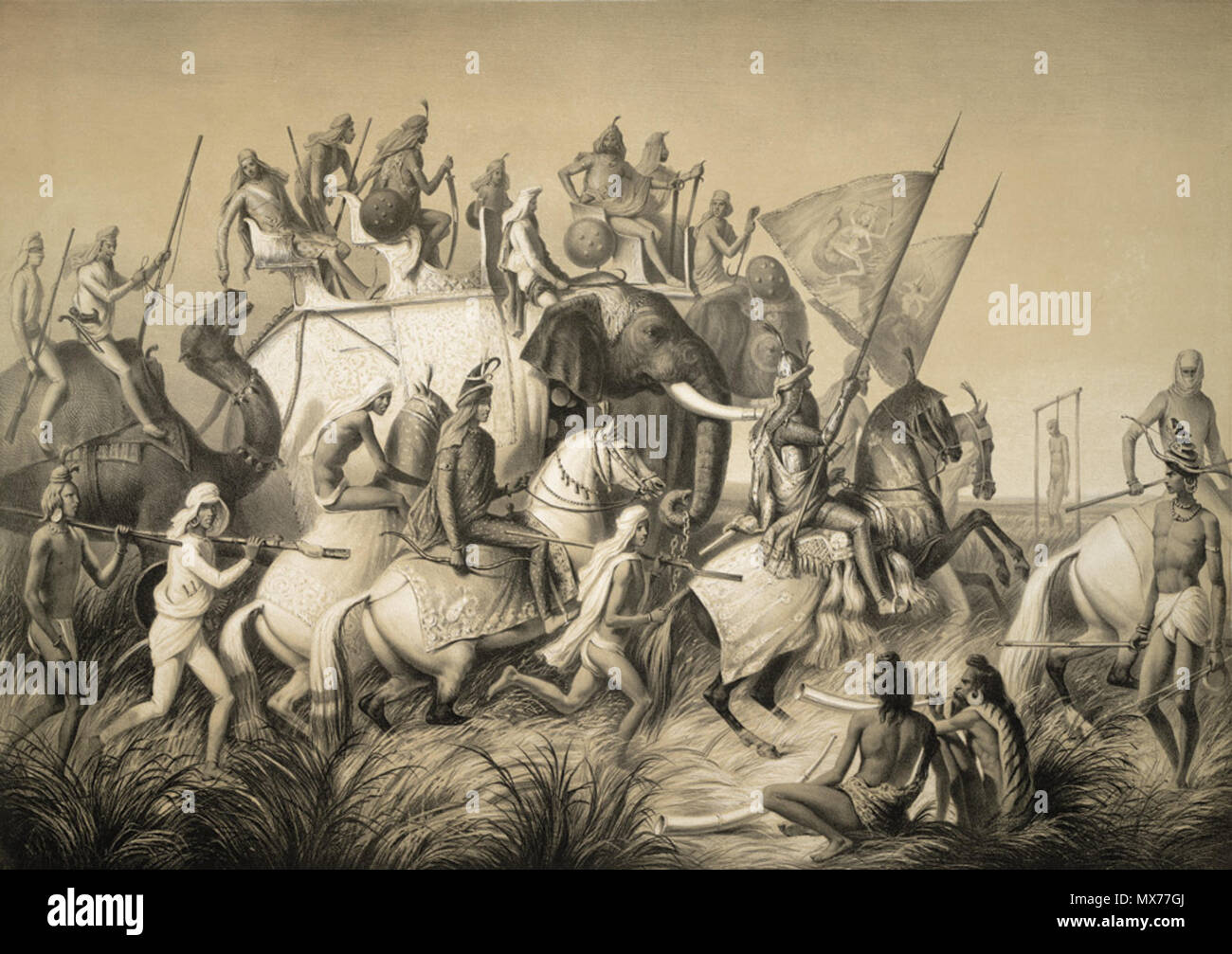
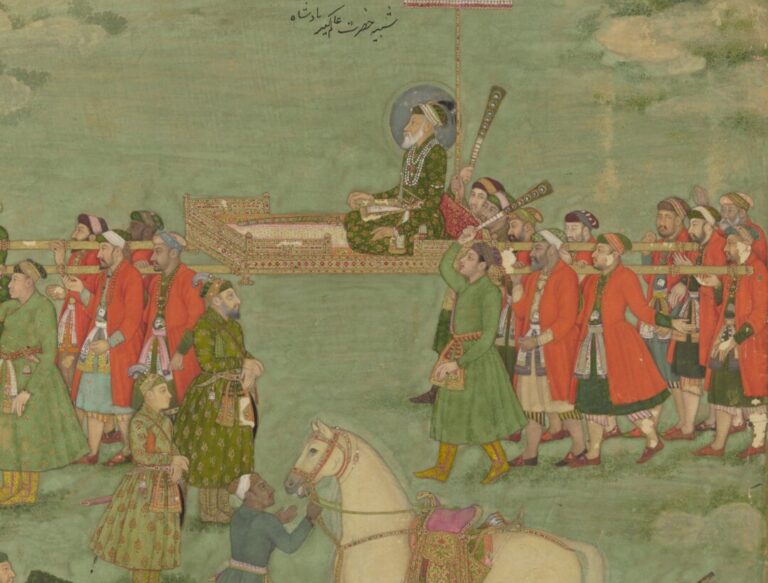
- Aurangzeb was the last powerful Mughal emperor. After his death in 1707, the empire became weak.
- Mughal governors (subadars) and big landlords (zamindars) started ruling their own areas like independent kings.
- Delhi lost its power. Many small regional kingdoms rose (like in Bengal, Awadh, Hyderabad).
- This weakness created a golden chance for foreign traders to step in and gain power.
Memorable Tip: Think "Aurangzeb's death = Mughal power's last breath." Weak centre = strong outsiders enter!
2. East India Company Comes East (Trade Begins)
- In 1600, Queen Elizabeth I of England gave the East India Company a royal charter — monopoly (sole right) to trade with the East.
- The Company wanted spices, cotton, silk, indigo, tea — buy cheap in India, sell expensive in Europe for huge profits.
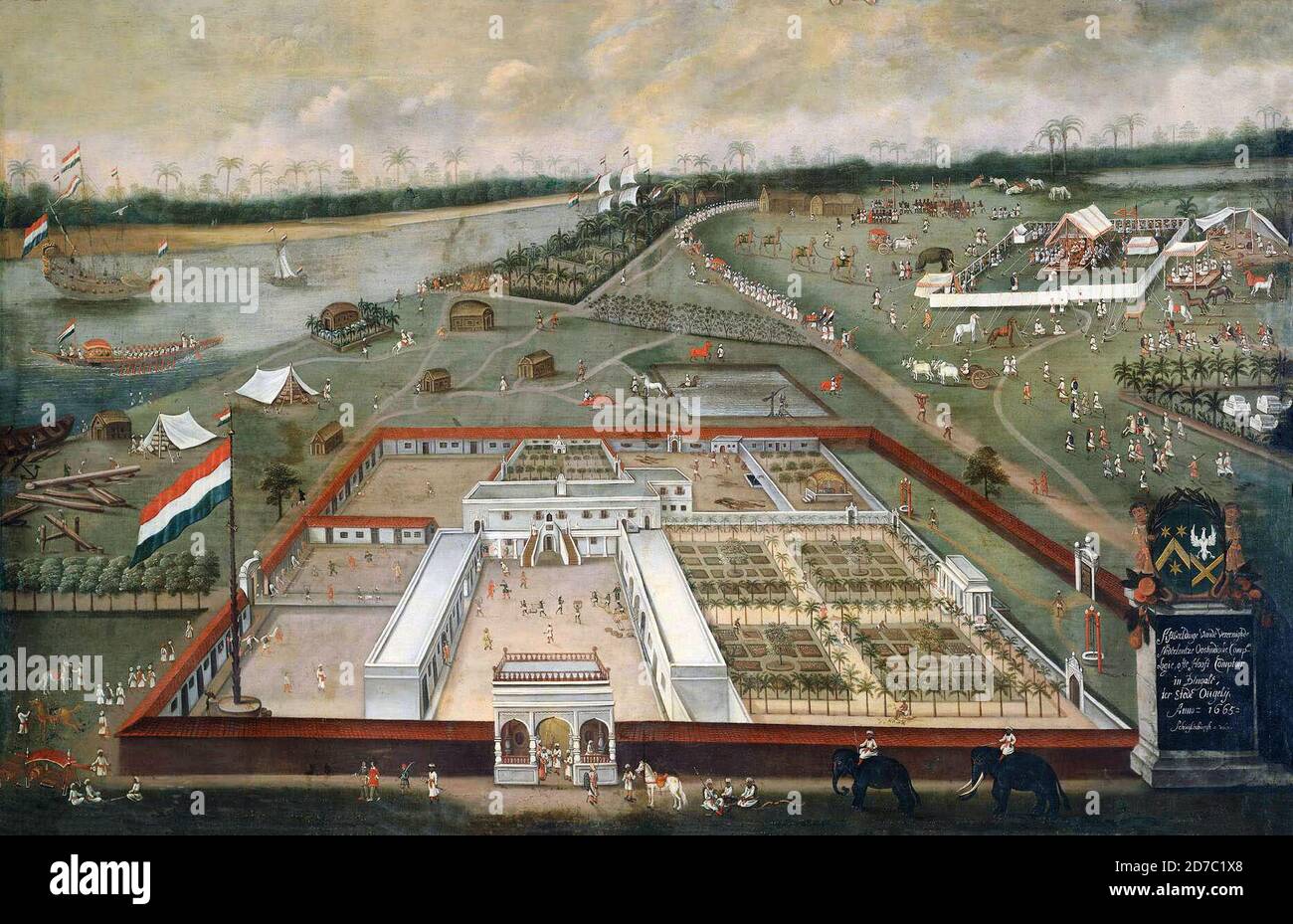
- They set up factories (not manufacturing units, but warehouses + offices + living quarters for traders called "factors").
- First factory in Bengal: 1651 on the banks of River Hugli. Another early one at Surat (1608).
Memorable Definition:
- Mercantile: A business style where you buy goods cheap and sell them expensive to make profit. The Company was a mercantile company at first.
Easy Explanation: Imagine a shop that only buys from one supplier and sells everywhere — that's the Company. They came as guests but behaved like future bosses.

3. How Trade Led to Battles (Conflicts Grow)
- As the Company grew rich and powerful, it wanted more rights: no taxes, right to fortify factories, maintain armies.
- Bengal Nawabs (rulers) like Sirajuddaulah disliked this — the Company was interfering in local politics and not paying proper dues.
- The Company also started supporting rival local leaders with money and arms.
Key turning point: Battle of Plassey (1757)
- Fought between Company forces (led by Robert Clive) and Sirajuddaulah (Nawab of Bengal).
- Mir Jafar (Siraj's commander) betrayed the Nawab and joined the British.
- Company won easily. Sirajuddaulah was defeated and killed.
- Mir Jafar became the new Nawab but was a puppet of the Company.
Memorable Trick: "Plassey = Betrayal + Victory". One battle changed everything — Company got Diwani rights (right to collect revenue/taxes) later after Battle of Buxar (1764).

4. Company Becomes the Real Ruler ("Nabobs")
- After Plassey, the Company collected taxes from Bengal, Bihar, Orissa but let the Nawab handle day-to-day rule (dual system).
- Company officials became super rich — called Nabobs (corruption of "Nawab"). They took bribes, gifts, and looted wealth.
- This money helped the Company buy more arms, build armies, and expand further.
5. Expansion of British Rule (How They Conquered More)
The Company used clever policies and wars:
- Subsidiary Alliance (introduced by Lord Wellesley): Indian rulers had to:
- Accept British protection.
- Keep a British army in their state (paid by the ruler).
- Not ally with any other power.
- Many states like Hyderabad, Awadh accepted. Those who refused were attacked.
- Doctrine of Lapse (Lord Dalhousie): If a ruler died without a natural (biological) son, the British would take over the state. No adoption allowed.
- Example: States like Satara, Jhansi, Nagpur were annexed.
- Direct wars: Against Mysore (Tipu Sultan), Marathas, Punjab (after Ranjit Singh's death), Sindh, etc.
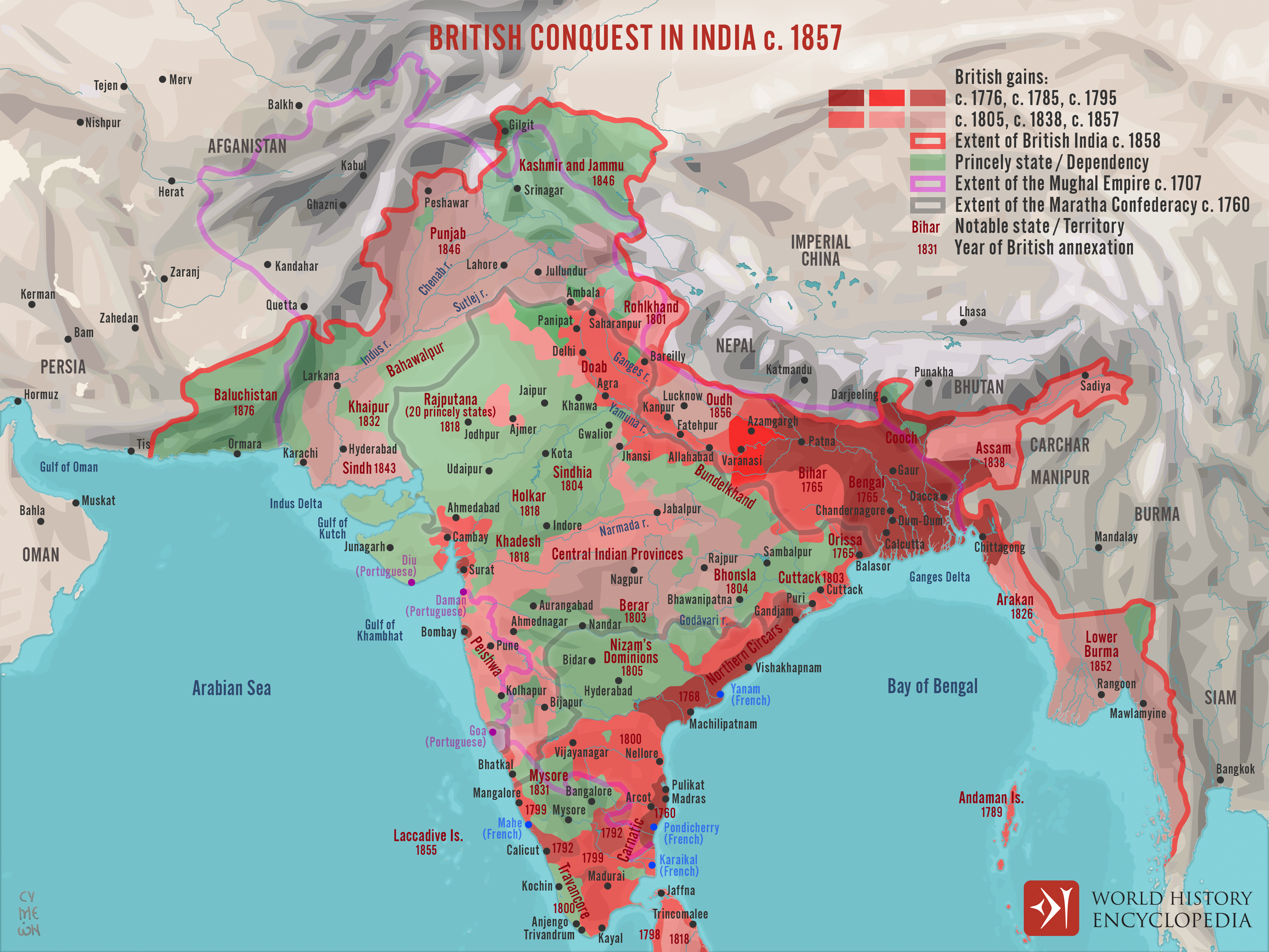
By 1857, the Company directly ruled about 63% of Indian territory and controlled most of the rest indirectly.
Memorable Map Tip: Imagine India slowly turning red (British colour) from Bengal outwards — east to west, north to south.

6. How the Company Ruled (Administration & Army)
- Civil Administration: Divided into Presidencies (Bengal, Madras, Bombay). Governors + Collectors collected revenue.
- Army: Mostly Indian sepoys (soldiers) but British officers. Sepoys were cheap and knew the land. The Company army became one of the strongest in the world.
- They introduced new laws, courts, and revenue systems (like Permanent Settlement in Bengal).
Easy Explanation: The Company acted like a government — collected taxes, maintained law and order, but only for profit, not people's welfare.
Key Memorable Definitions & Mnemonics
- East India Company: Started as traders (1600) → became rulers by 1857. "From shops to thrones."
- Battle of Plassey (1757): "P" for Plassey = Puppet (Mir Jafar) installed.
- Subsidiary Alliance: "Accept British army + pay for it + no other friends = lose freedom slowly."
- Doctrine of Lapse: "No natural heir? British lap up (take) your state!" (Lapse = end of rule).
- Nabob: Rich, flashy British officials living like Indian Nawabs.
Why This Chapter Matters (Quick Revision)
Trade → Greed for more profit → Interference → Battles → Alliances & Tricks → Full territorial control.
The chapter shows how a trading company used military power, diplomacy, and local betrayals to build an empire. It sets the stage for the Revolt of 1857 (next chapters).
Quick Recall Checklist:
- Aurangzeb dies → 1707 → Weak Mughals.
- Company charter → 1600.
- Factory in Bengal → 1651.
- Plassey → 1757 (Clive + Mir Jafar).
- Buxar → 1764 (Diwani rights).
- Policies: Subsidiary Alliance + Doctrine of Lapse.
- End result: Company rules most of India by 1857.
Revise with these points and visuals — you'll remember the story like a movie: Ships arrive → Trade grows → One betrayal battle → Slow swallowing of kingdoms. Study daily for 10-15 minutes and draw a simple timeline!
These notes are short, story-like, and use easy tricks so you never forget. Great for exams!