Class 8 SST — Chapter 1 Natural Resources and Their Use 🌍
When Does Nature Become a Resource? 🌿
Nature is all living and non-living things around us (like air, water, trees, soil) that humans did not make.
Natural resources are materials or substances from nature that are valuable to humans — we use them for survival, making things, or energy.
Memorable Tip: A tree standing in the forest is just "nature". When we cut it (carefully) to make a chair or pencil, it becomes a resource. Nature turns into a resource only when it is:
- Technologically accessible (we have tools to get it)
- Economically feasible (not too expensive)
- Culturally acceptable (people allow it)
Easy Definition: Natural Resource = Nature + Human Need + Use = Value! (Extraction and use is called exploitation — it can be careful or wasteful.)

Categories of Natural Resources (Easy Grouping)
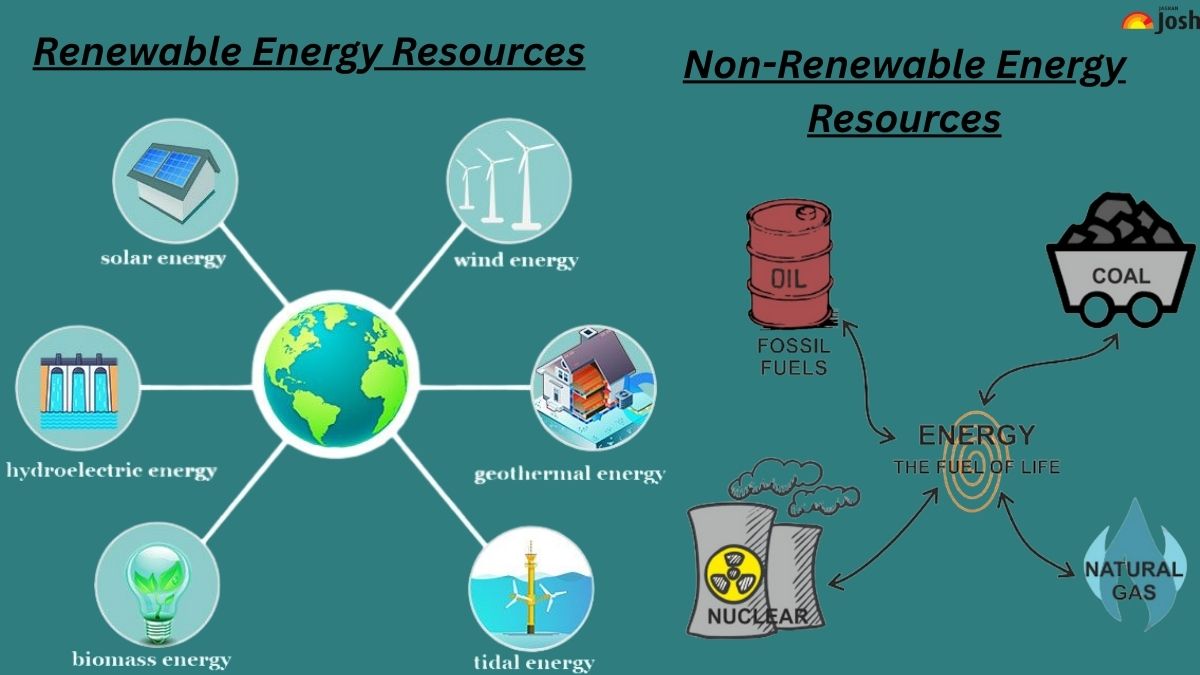
Resources are grouped in two main ways:
- By Use (What they help us with):
- Essential for Life → Air, water, food (from soil, rivers, atmosphere)
- For Materials → Wood, marble, metals → make furniture, buildings, tools
- For Energy → Sunlight, coal, oil, wind, flowing water → power homes, cars, factories
- By Renewability (Can they come back?):
- Renewable Resources → Can restore (heal back) and regenerate (grow new) naturally if we don’t overuse them. Examples: Sunlight (solar), wind, flowing river water, timber (if forests regrow), soil (with care). India Special: Abundant sunshine → solar parks; rivers fed by rain & Himalayan glaciers.
- Non-Renewable Resources → Formed over millions of years; once used up, they can’t come back quickly. Examples: Coal, petroleum (oil), natural gas, minerals (iron, copper, gold). India Fact: Coal reserves may last only ~50 years at current use — use wisely!
Mnemonic for Renewables (R.E.S.W.): River water, Energy from sun/wind, Soil & forests, Water cycle — they Renew if respected!
Key Difference:
- Renewable: Nature keeps giving (if we don’t break the cycle).
- Non-renewable: Limited stock — like a one-time treasure.
Distribution of Resources & Its Effects 🗺️
Resources are not spread equally across the world or even inside India. This shapes:
- Where people live and build cities
- Trade between countries
- Sometimes conflicts or wars
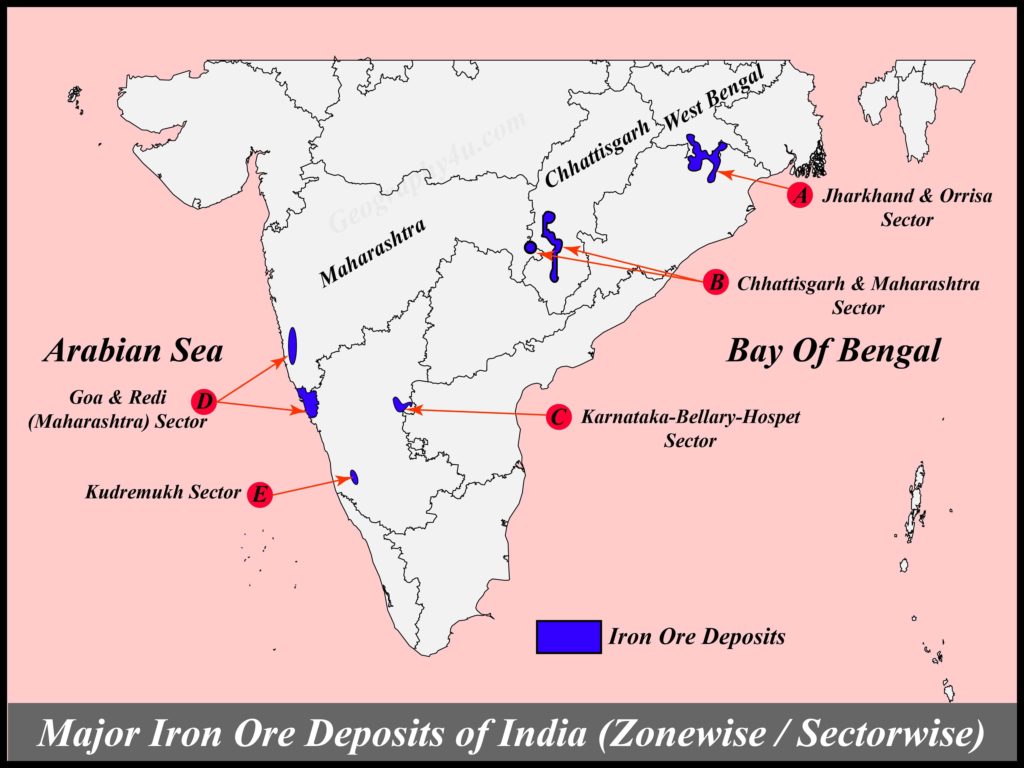
India Example: Minerals like coal (Jharkhand, Odisha, West Bengal), iron ore (Odisha, Jharkhand, Karnataka), bauxite (Odisha). Industries grow near resources → jobs + towns, but can displace local/tribal people.
Shared Resources: Rivers like Kaveri or Brahmaputra flow across states/countries → disputes, so we need talks and agreements.
India Mineral Map Idea (Visualise uneven dots of coal, oil, iron across states):
The ‘Natural Resource Curse’ (Paradox of Plenty) 😕
Memorable Definition: Having lots of resources but still staying poor or growing slowly. Why? Countries focus only on selling raw materials instead of building industries, skills, and technology to make better products.
Good News for India: We avoided the curse by investing in industries and skills. But we must still manage carefully!
Responsible Use: Become a Steward! 👩🌾🌱
Stewardship = Acting as a wise caretaker of Earth for everyone’s wellbeing (including future generations).
Two Big Ideas:
- Restoration → Bring back to healthy state (e.g., forest after fire recovers).
- Regeneration → Nature creates new life (plant trees → new forest grows).
Problems from Overuse:
- Groundwater over-pumping in Punjab (Green Revolution) → water levels dropped deep, pollution from chemicals.
- Industrial waste in rivers → kills fish & plants.
- Too many chemicals in farming → soil becomes tired.
Solutions & Good Practices (Easy to Remember):
- Rainwater harvesting, pond cleaning, mulching (cover soil with leaves/straw).
- Organic farming like in Sikkim (India’s first fully organic state since 2016) → used compost, neem instead of chemicals → better soil, more birds/insects, higher farmer income + tourism!
- Traditional wisdom: Crop rotation, Vrikshayurveda (ancient Indian plant science), Tulasi puja (respect for nature).
- Switch to renewables: International Solar Alliance (started by India & France in 2015) → more solar power for sunny countries. Example: Bhadla Solar Park in Rajasthan.
Caselet Memory Trick: Punjab → Too much water + chemicals = Trouble today. Sikkim → Switched to natural → Happy soil, happy farmers!

Quick Revision Points (Super Easy to Remember)
- Resource = Nature made useful by humans.
- Renewable = Can come back (Sun, Wind, Water — manage well!).
- Non-renewable = Limited (Coal, Oil — use judiciously).
- Overuse → Pollution, biodiversity loss, climate issues.
- Stewardship = Wise, respectful use + regeneration.
- India’s strength: Diverse resources + leadership in solar + traditional knowledge.
Why it Matters: We need a regenerative economy — use resources in harmony with nature, reduce waste, and replenish what we take. Small actions (saving water, planting trees, choosing reusable) add up!
Study Tip: Draw your own table — Left side: Renewable (with sun & tree icons), Right side: Non-renewable (with coal & oil barrel). Add one India example each. Revise by teaching a friend!
These notes use simple language, mnemonics, and real examples so you can recall quickly during exams. Stay curious about your local resources and how your family/neighbourhood uses them mindfully! 🌟