Class 8 Science — Chapter 13: Our Home: Earth, A Unique Life Sustaining Planet 🌍
1. Why Earth is Special – The Blue Planet 🪐
Earth is called the Blue Planet because about 71% of its surface is covered with water. It is the only planet we know that supports life. Unlike other planets, Earth has the right distance from the Sun (neither too hot nor too cold), liquid water, protective atmosphere, and a perfect balance of gases.
Memorable Definition: Earth – Our home, a unique life-sustaining planet where air, water, land, and living things work together like a big family to keep life going.
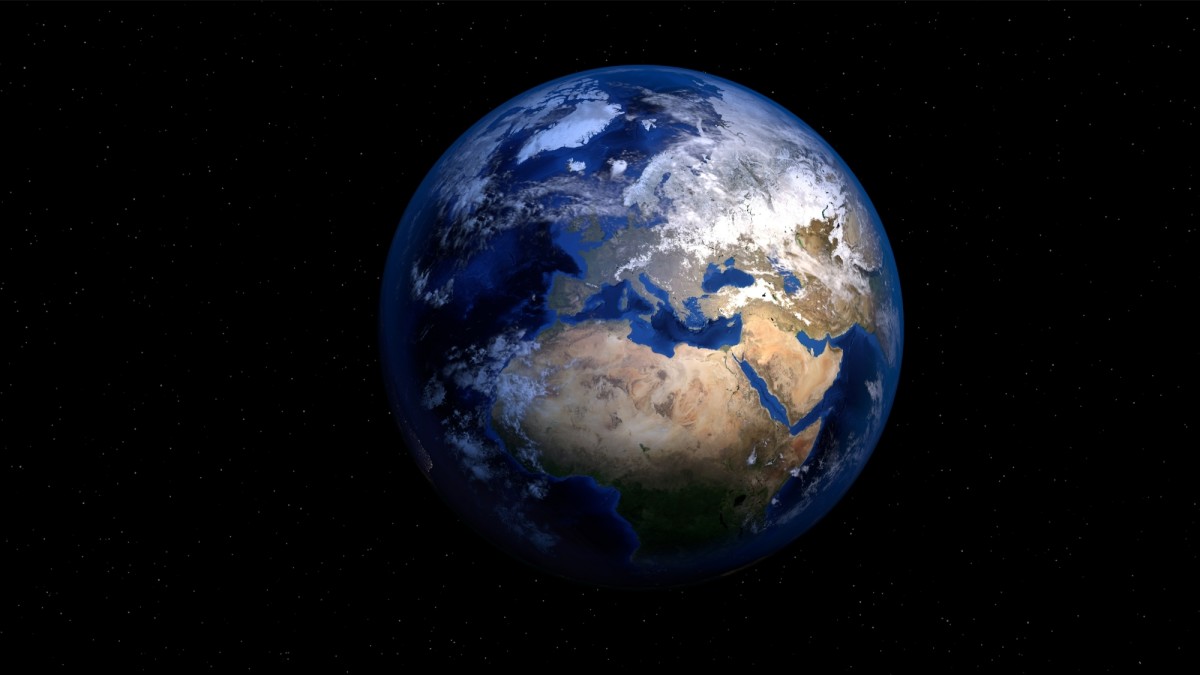
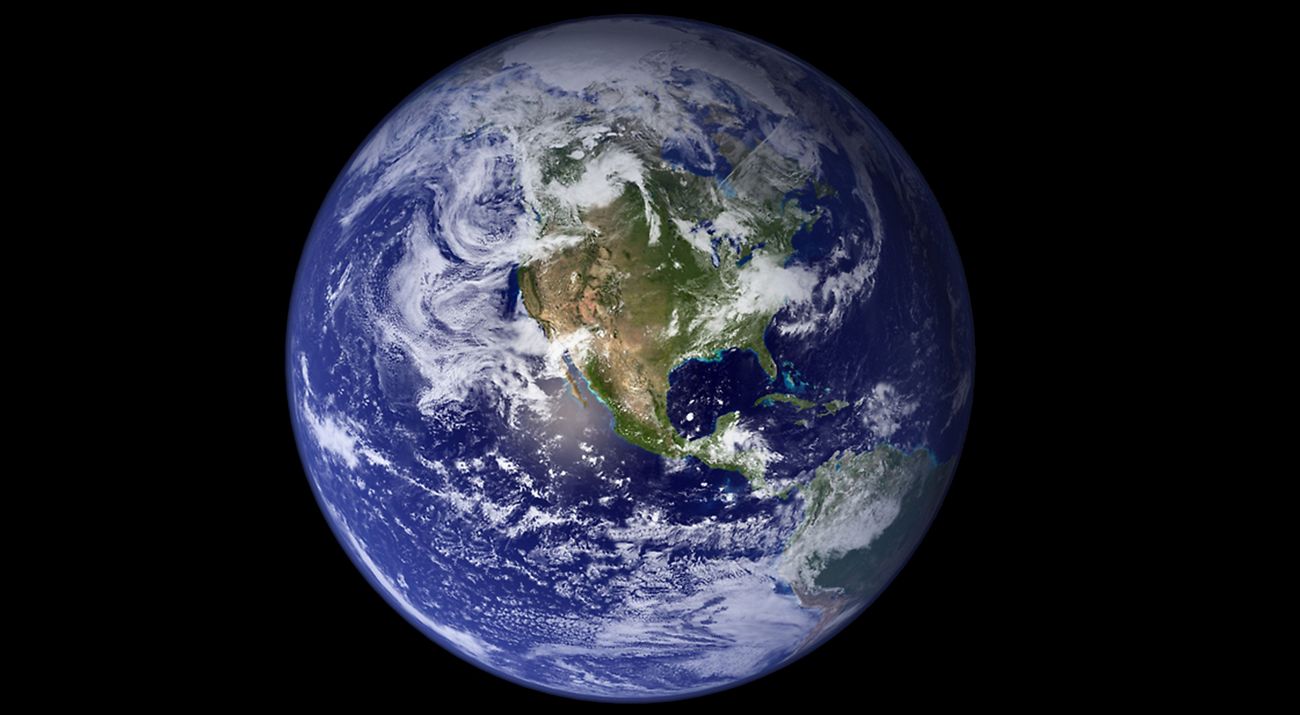
Easy Tip to Remember: Think “Goldilocks Planet” – not too hot (like Venus), not too cold (like Mars), just right for life!
2. Structure of Earth – Layers like an Onion 🧅
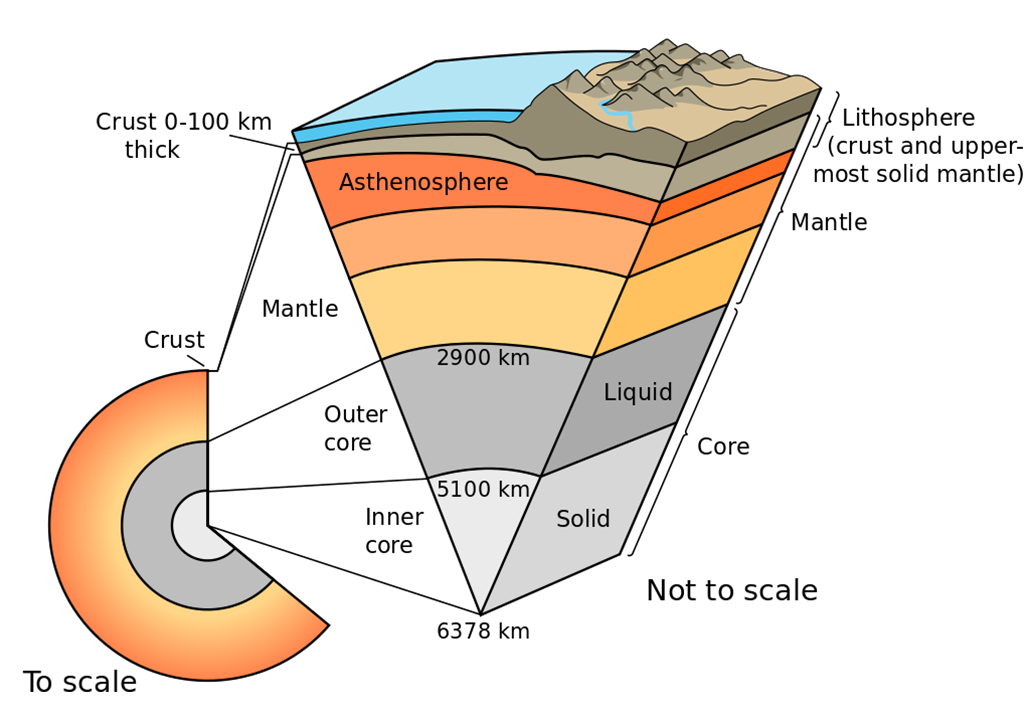
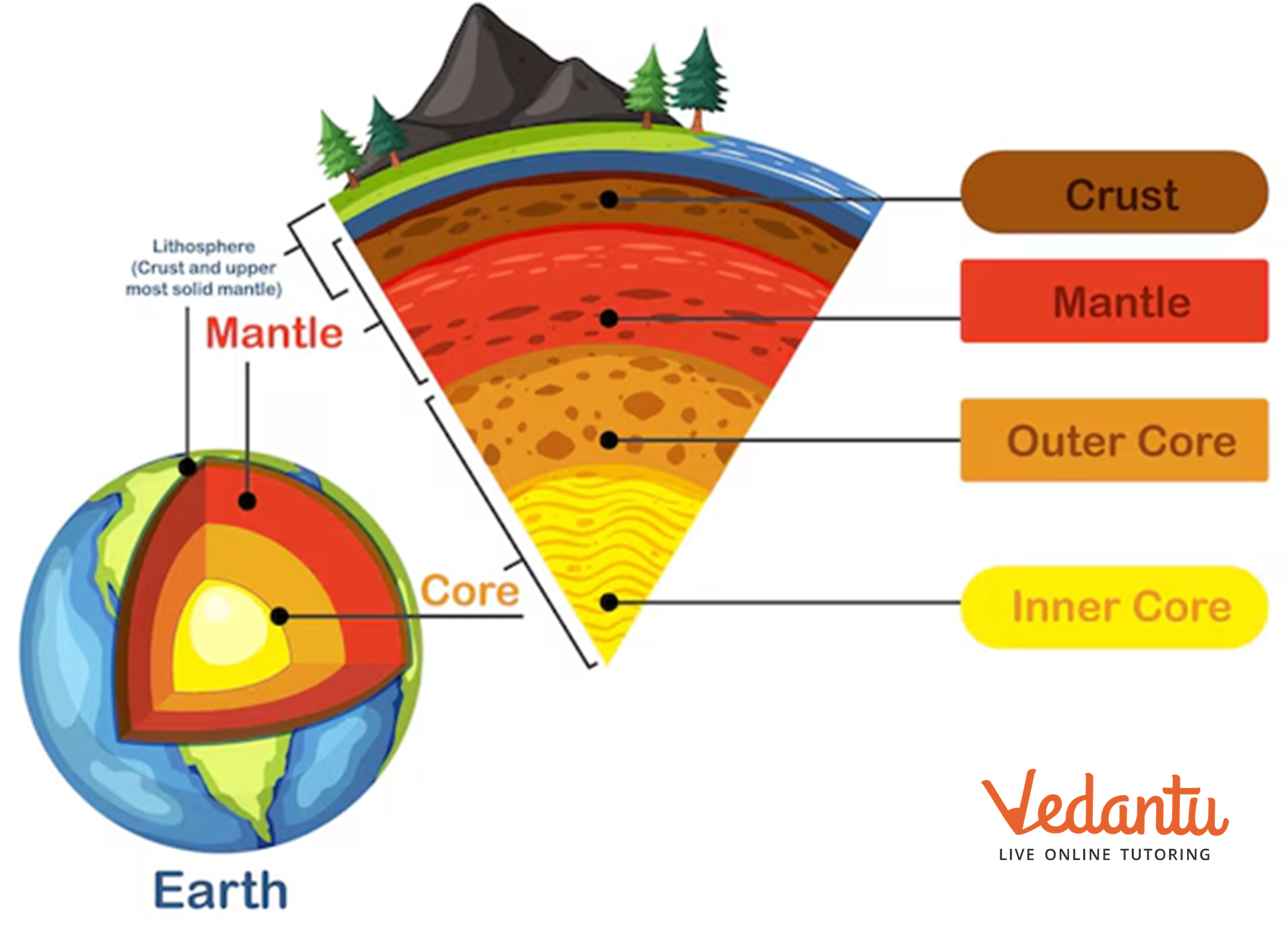
Earth has different layers from outside to inside:
- Crust: Thin outermost layer (like the skin of an apple). We live here. It is made of rocks and soil. Thickness: 5–70 km.
- Mantle: Thick middle layer (like the juicy part). It is semi-solid and very hot. It moves slowly and causes earthquakes and volcanoes.
- Outer Core: Liquid layer made mostly of iron and nickel. Very hot.
- Inner Core: Solid ball of iron and nickel at the centre. Extremely hot (about 5500°C) but solid due to huge pressure.
Memorable Trick: Crust (Cool surface) → Mantle (Moving hot rock) → Outer Core (Liquid) → Inner Core (Solid hot centre). CMOI – “Come Meet Our India” (easy to recall order).
3. Geodiversity – Variety of Land, Rocks & Soil 🏔️🏜️
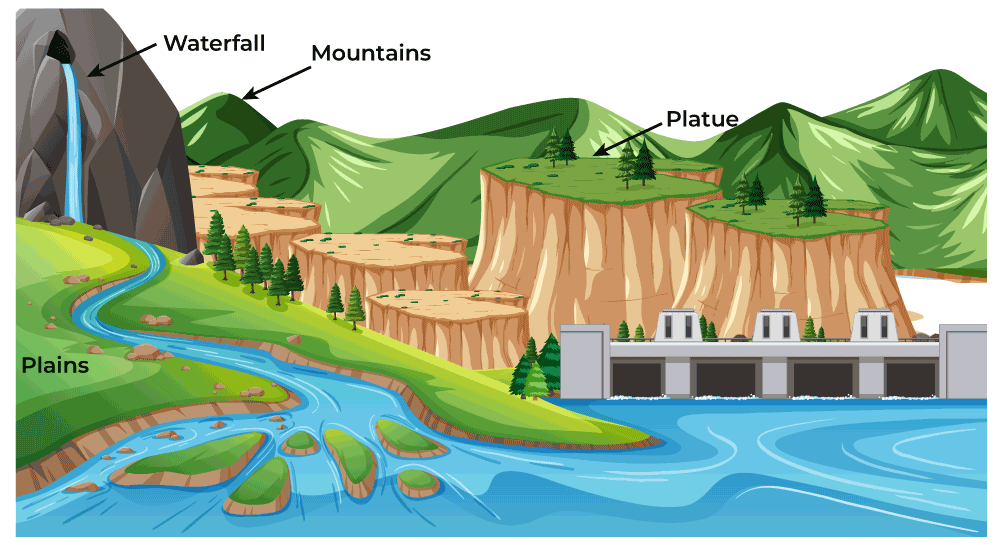
Geodiversity means the variety of landforms (mountains, plains, plateaus, deserts, rivers), rocks, and soils on Earth.
Why important? Different landforms create different habitats for plants and animals. Mountains have cool climates, deserts have little water, plains are good for farming.
Memorable Definition: Geodiversity = Nature’s variety show of rocks, soils, and shapes of land that helps millions of species live in their own “homes”.
Examples:
- Mountains → Cool, forests or snow.
- Plains → Fertile soil for crops.
- Deserts → Special plants like cactus that store water.
4. Biosphere – Where Life Exists 🌿🐟🦋
Biosphere is the narrow zone where land (lithosphere), water (hydrosphere), and air (atmosphere) meet and support life.
It includes:
- All living organisms (plants, animals, microbes)
- Their interactions with non-living things (air, water, soil, sunlight)
Memorable Definition: Biosphere = The “living blanket” of Earth – a thin layer where life breathes, eats, grows, and plays with air, water, and land.

Link from previous chapter: As you studied in Chapter 12 (How Nature Works in Harmony), living things depend on each other (food chains, food webs, decomposers) and on non-living things.

5. Balance in Nature – Earth as a Teamwork System 🤝
Earth is like a giant living system. Everything is connected:
- Plants take CO₂ and release O₂ (photosynthesis).
- Animals breathe O₂ and release CO₂.
- Decomposers recycle nutrients.
- Water cycle, carbon cycle, and oxygen cycle keep everything balanced.
Key Point: Small changes in one part affect everything. Cutting forests → less rain → animals suffer → soil erodes.
Easy Explanation: Imagine a bicycle – if one part (chain, tyre, brake) breaks, the whole ride fails. Earth works the same way!
6. Reproduction – Continuity of Life 👶🌱
Life continues because organisms reproduce. Parents pass traits (instructions in genes) to offspring so species don’t disappear.
Without reproduction, plants and animals would vanish after one generation.
Memorable Line: “Reproduction = Life’s insurance policy for the future.”
7. Threats to Life on Earth – The Triple Planetary Crisis ⚠️
Human activities are disturbing the balance:
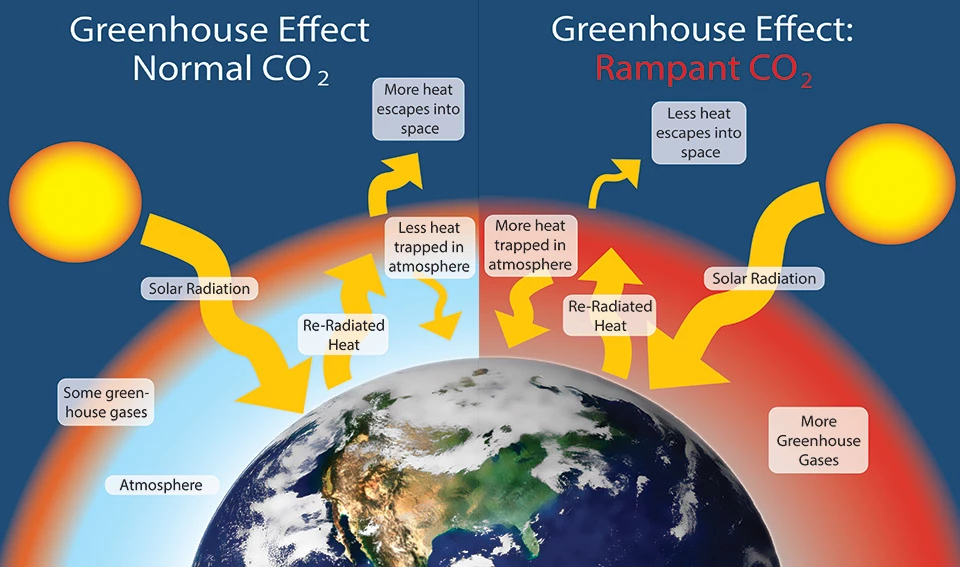
- Climate Change: Extra greenhouse gases (CO₂, methane) from burning coal, oil, and gas trap more heat → global warming → melting ice, rising seas, extreme weather.
- Biodiversity Loss: Destroying habitats → many species disappear.
- Pollution: Air, water, and soil pollution harms life.
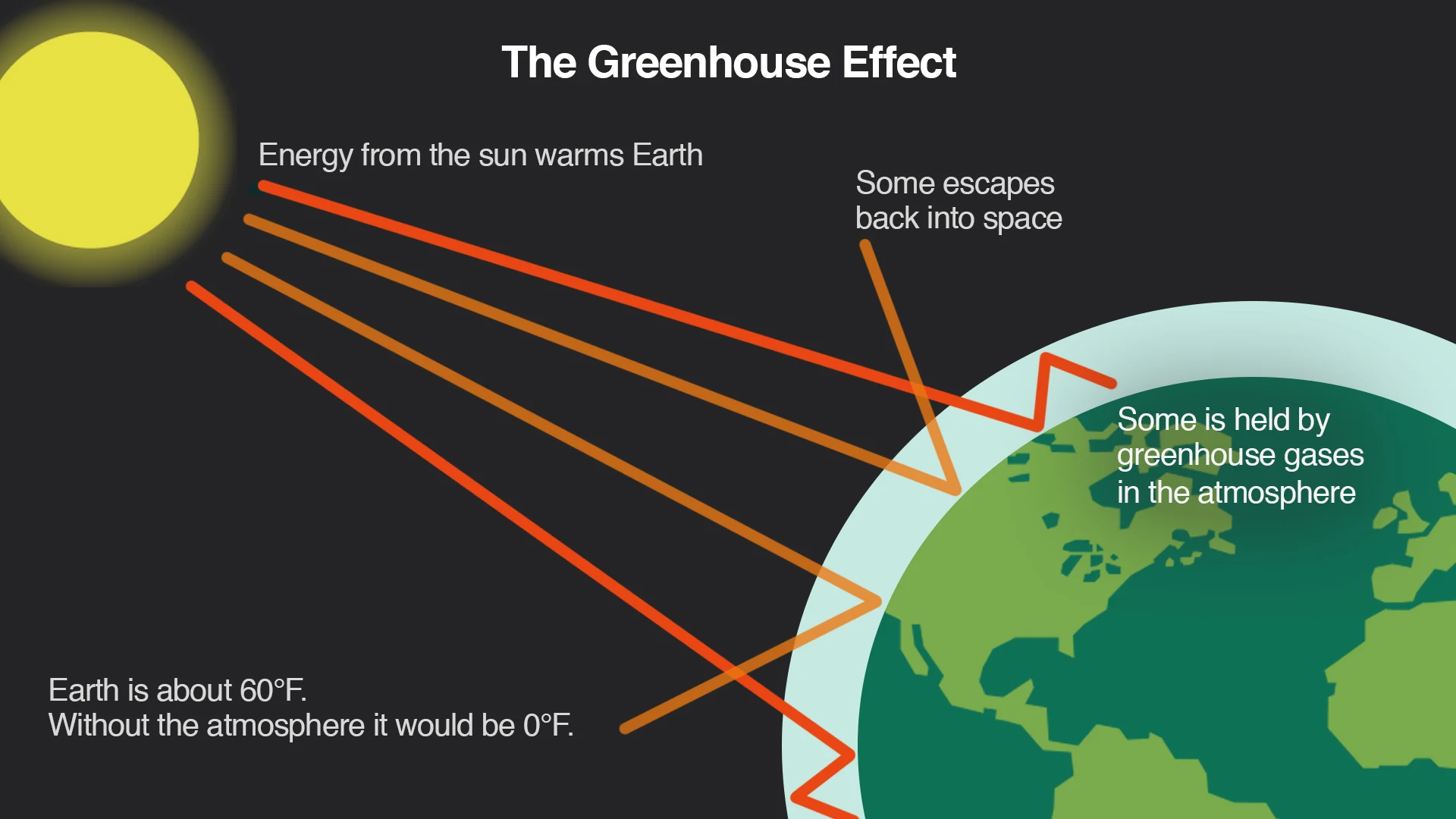
Greenhouse Effect (Simple Trick): Sun’s heat comes in → some bounces back → greenhouse gases act like a blanket and trap heat. Too much blanket = Earth gets too hot!
Memorable Warning: “We did not inherit Earth from our ancestors; we borrow it from our children.” Protect air, water, soil, and all living beings.
Quick Revision Tips (Easy to Remember)
- Earth’s nickname: Blue Planet / Goldilocks Planet.
- Layers: Crust-Mantle-Outer Core-Inner Core (CMOI).
- Biosphere: Land + Water + Air + Life.
- Balance: Everything connected (food chain/web + cycles).
- Threats: Triple crisis – Climate change, Biodiversity loss, Pollution.
One-line Summary: Earth is a unique, balanced home for life because of its perfect conditions, layers, geodiversity, biosphere, and natural cycles – but we must protect this balance from human threats.