Class 8 Science — Chapter 12 How Nature Works in Harmony 🌿
This chapter explains how living things (biotic) and non-living things (abiotic) in nature interact, depend on each other, and maintain balance (harmony). It shows that every organism has a role — nothing is useless! When this balance is disturbed (e.g., by humans cutting forests), problems like animal-human conflicts arise.
1. What is a Habitat? 🏡
A habitat is the natural home or environment where an organism lives. Examples: pond, forest, garden, or even a single tree.
- Biotic components → Living things: plants, animals, microbes, humans.
- Abiotic components → Non-living things: sunlight, water, air, soil, temperature, rainfall.
Memorable definition: Habitat = Home Sweet Home where biotic (alive) and abiotic (non-alive) factors work together like a big family.
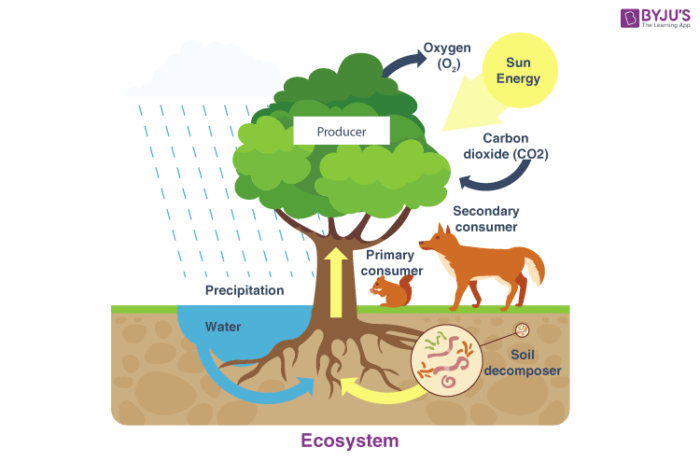
Easy explanation: Just like your house has family members (biotic) and furniture/fan/light (abiotic), a forest has trees/animals (biotic) and sunlight/soil/rain (abiotic). They interact daily!
2. Population and Community 👥
- Population: Group of same kind of organisms living in one area at one time. Example: All the fish in a pond = fish population; All mango trees in a garden = mango population.
- Community: Different populations living together in the same habitat and interacting. Example: In a pond — fish population + frog population + plant population + insect population = pond community.
Memorable tip: Population = One team (same players). Community = All teams playing together in one ground.
3. How Nature Works in Harmony — Key Interactions
Nature maintains balance through food chains, food webs, roles of organisms, and symbiotic relationships.
Food Chain — The Energy Flow Line 🍃➡️🐛➡️🐦
A simple sequence showing how energy passes from one organism to another.
Basic structure:
- Producers (Autotrophs): Green plants/algae make food using sunlight (photosynthesis). They start the chain.
- Primary Consumers (Herbivores): Eat producers (e.g., deer, rabbit, snail).
- Secondary Consumers (Carnivores): Eat primary consumers (e.g., frog, fox).
- Tertiary Consumers (Top carnivores): Eat secondary consumers (e.g., tiger, hawk).
- Decomposers: Bacteria and fungi break down dead bodies and waste, returning nutrients to soil.
Memorable definition: Food Chain = Nature’s Restaurant Menu — Sun cooks food → Plants serve starters → Animals eat → Leftovers recycled by decomposers.

Pond Food Chain example: Algae (Producer) → Pond Snail (Primary) → Frog (Secondary) → Hawk (Tertiary)
Easy tip to remember: Only 10% energy transfers to next level (rest lost as heat). That’s why chains are short and top animals are few.
Food Web — The Real Busy Network 🕸️
Many food chains connected together. More realistic because one animal eats many things.
Why important? If one species disappears, others can still survive through alternative paths.
4. Roles of Different Organisms — Everyone Matters! ⭐
- Producers: Make food and oxygen. Foundation of life.
- Consumers: Keep populations in check by eating.
- Decomposers: Nature’s cleaners and recyclers. Without them, dead matter would pile up and nutrients would get locked.
Memorable rhyme: “Producers produce, Consumers consume, Decomposers recycle — harmony resumes!”
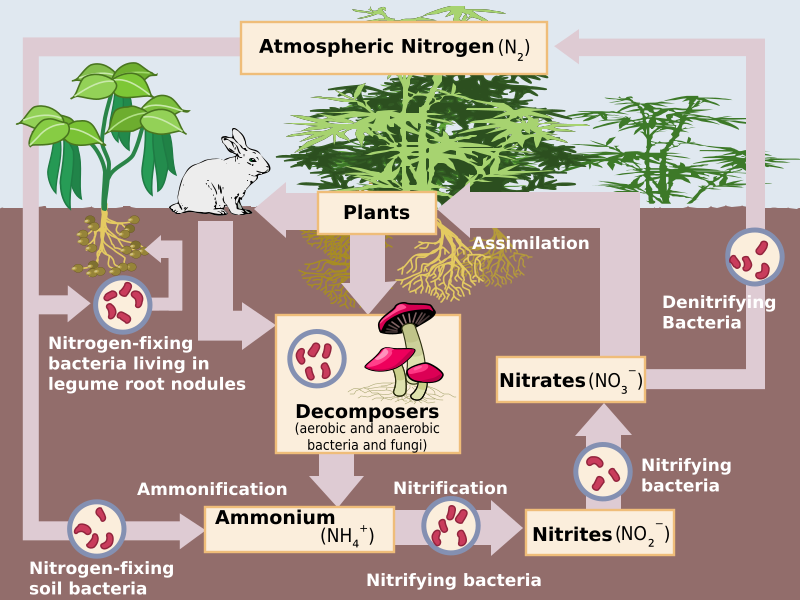
Nutrient Cycle: Decomposers return minerals to soil so plants can grow again. Example: Nitrogen cycle (bacteria fix nitrogen from air for plants).
5. Symbiotic Relationships — Living Together 💕
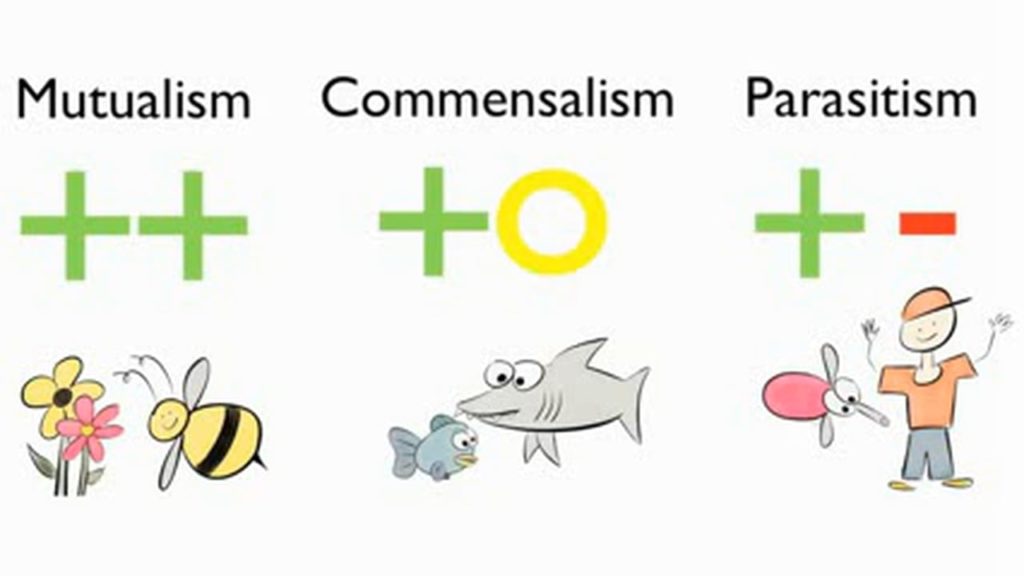
When two different organisms live closely and interact:
- Mutualism (++): Both benefit. Example: Bees and flowers — bee gets nectar, flower gets pollinated.
- Commensalism (+ 0): One benefits, other unaffected. Example: Barnacles on whale — barnacles get ride and food, whale unaffected.
- Parasitism (+ –): One benefits, other harmed. Example: Lice on dog or mistletoe on tree.
Easy mnemonic: Mutual = Mutual friends (both happy), Commensal = Commensal guest (one happy), Parasite = Bad guest (one happy, host sad).
6. Human Impact and Loss of Harmony — Real-Life Example 🐘
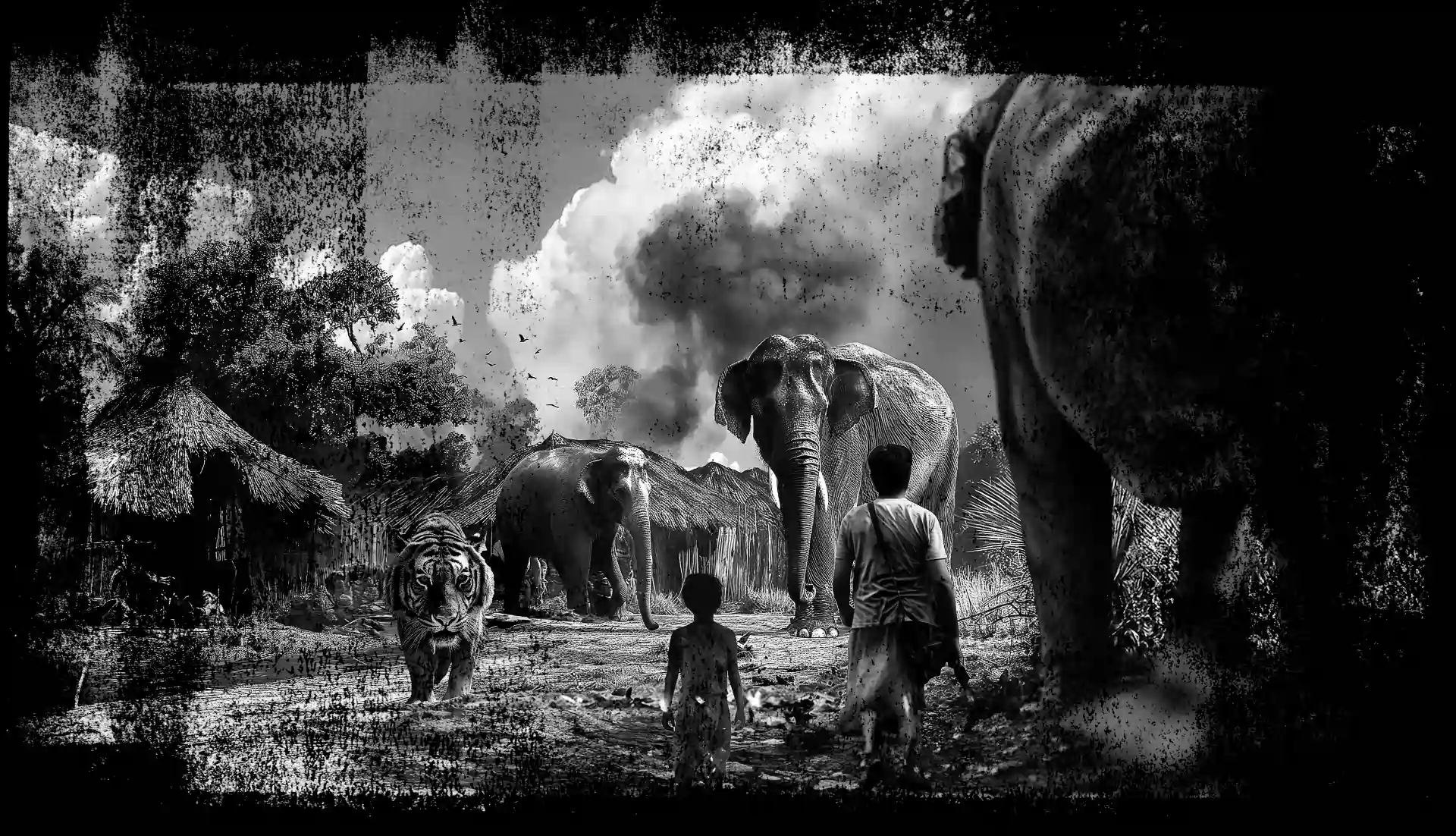
In India (Odisha, Jharkhand, Assam, etc.), elephants often enter villages and farms. Why?
- Loss of forest cover (habitat destruction).
- Changes in rainfall patterns.
- Less natural food → elephants raid crops.
This is human-wildlife conflict. It shows what happens when harmony breaks — animals suffer, humans lose crops, sometimes lives.
Memorable lesson: Nature works best when we don’t disturb the balance. Protect forests = protect harmony!
Quick Revision Tips (Easy to Remember)
- HABITAT = Biotic + Abiotic family.
- POPULATION = Same species group.
- COMMUNITY = All populations together.
- FOOD CHAIN = Straight energy line (Producer → Consumer → Decomposer).
- FOOD WEB = Interconnected safety net.
- DECOMPOSERS = Nature’s recyclers (most important for harmony).
- SYMBIOSIS = Three types — Mutual win-win, Commensal one-sided neutral, Parasite harmful.
Harmony Formula: Balanced interactions + No human disturbance = Healthy Nature.
Why this matters: Everything is connected. If producers decrease → consumers starve → decomposers have less work → soil becomes poor → cycle breaks.
Revise by drawing one food chain and one food web daily. Imagine a pond or forest scene and list who depends on whom. This chapter teaches us to respect every creature — big or small — because Nature Works in Harmony when everyone does their part! 🌍✨
(Visuals above show food chains, ecosystems, symbiosis, and real conflicts to help you picture and remember easily.)