Class 8 Science – Chapter 8: Nature of Matter: Elements, Compounds, and Mixtures
(New NCERT Curiosity Book, 2026-27)
Easy-to-Remember Full Notes (Super Simple Language + Mnemonics + Activities + Tables + Visuals for Quick Recall)
1. What is Matter? Quick Revision (From Previous Chapters)
Everything around us is matter if it has mass and occupies space.
- Matter is made of tiny particles.
- We see mixtures everywhere (poha, salad, air, lemonade).
Mnemonic: Matter = Mass + Space (MS rule).
2. What Are Mixtures? (Section 8.1)
When two or more substances are mixed without any chemical reaction and each keeps its own properties → it is a mixture.
Types of Mixtures (Super Easy Table)
| Type | Example | Uniform or Non-Uniform? | How it Looks |
|---|---|---|---|
| Gas + Gas | Air | Uniform | Cannot see parts |
| Gas + Liquid | Soda water | Uniform | Bubbles but even |
| Solid + Gas | Dust in air | Non-uniform | Particles visible |
| Liquid + Liquid | Vinegar (acetic acid + water) | Uniform | Looks same |
| Liquid + Liquid | Oil + water | Non-uniform | Layers separate |
| Solid + Liquid | Sand + water | Non-uniform | Sand settles |
| Solid + Liquid | Seawater | Uniform | Salt dissolved |
| Solid + Solid | Baking powder | Non-uniform | Different particles |
| Solid + Solid | Alloys (brass, bronze) | Uniform | Looks same throughout |
Key Point to Remember:
- Uniform mixture = components evenly mixed, cannot see separately (like sugar water).
- Non-uniform mixture = components visible or settle down (like sprout salad).
Mnemonic: Uniform = “U”niformly mixed → Unseen parts. Non-uniform = “N”aked eye sees parts.
Activity to Remember (Activity 8.1 & 8.2):
- Lime water + air → turns milky (proof of CO₂ in air).
- Black paper in open air → dust particles settle (air has dust too).
Our Scientific Heritage: Ancient Indians called metal mixtures “Mishraloha” (alloys like bronze used in medicines).
3. What Are Pure Substances? (Section 8.2)
In daily life “pure” = no adulteration (like pure ghee). In Science: Pure substance = only one kind of particles, cannot be separated by physical methods (like filtration, evaporation).
Mnemonic: Pure = Particles are Uniform & Really same (PUR).
Examples:
- Pure water, sugar, gold, oxygen gas (if 100% one type).
A Step Further Tip: Milk, fruit juice, soil = mixtures (not pure).
4. Types of Pure Substances (Section 8.3)
Pure substances are of two types only:
(A) Elements
- Cannot be broken into simpler substances by any method.
- Made of identical atoms (or molecules of same atoms).
- Building blocks of all matter.
Examples: Hydrogen (H), Oxygen (O), Gold (Au), Iron (Fe), Carbon (C), Sulfur (S).
Interesting Facts (Easy to Memorise):
- Total elements = 118.
- 11 gases (all non-metals).
- 2 liquids at room temp: Mercury (metal), Bromine (non-metal).
- Gallium & Caesium melt in your hand (body temp ~37°C).
Classification (3 types – Mnemonic: M N M):
- Metals (shiny, conductor, malleable) – Gold, Iron.
- Non-metals (dull, poor conductor) – Carbon, Sulfur, Oxygen.
- Metalloids (in between) – Silicon, Boron (learn in higher classes).
Molecules:
- Hydrogen = H₂ (2 atoms).
- Oxygen = O₂ (2 atoms).

(B) Compounds
- Formed when two or more different elements combine chemically in fixed ratio.
- New substance with completely different properties.
- Cannot be separated by physical methods.
Examples:
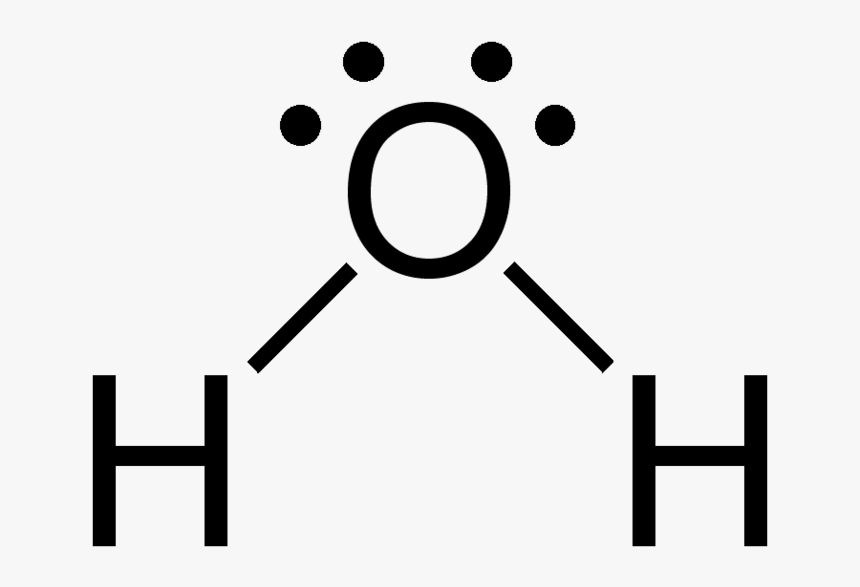
- Water (H₂O) → 2 Hydrogen : 1 Oxygen.
- Common salt (NaCl) → 1 Sodium : 1 Chlorine.
- Sugar (C₁₂H₂₂O₁₁) → Carbon + Hydrogen + Oxygen.
Proof from Activities:
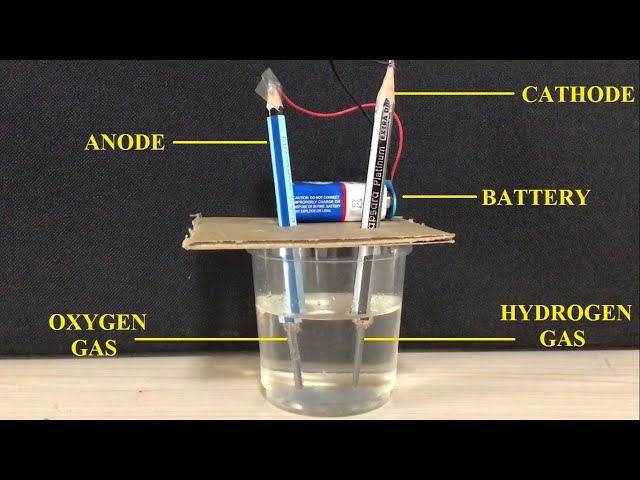
Activity 8.3 – Electrolysis of Water (Must Remember!) Water → Hydrogen (pop sound) + Oxygen (flame brighter). Reaction: Water → Hydrogen + Oxygen (by electricity). Mnemonic: “Water splits into H & O like a divorce – but only with electric current!”
Activity 8.4 – Heating Sugar Sugar → Black charcoal (carbon) + water droplets. Sugar is compound → Carbon, Hydrogen, Oxygen.
Activity 8.5 – Iron + Sulfur Experiment (Most Important!)
| Step | Sample A (Mixture) | Sample B (Compound – Iron Sulfide) |
|---|---|---|
| Appearance | Yellow + Black particles visible | Black mass, uniform |
| Magnet test | Iron sticks to magnet | No effect |
| + Dil. HCl | Pop sound (H₂ gas) + yellow sulfur left | Rotten egg smell (H₂S gas) |
| Can separate? | Yes (physical) | No |
Big Difference (Table for Exam – Memorise!)
| Property | Mixture | Compound |
|---|---|---|
| Formation | Just mixing | Chemical reaction |
| Ratio of components | Any ratio | Fixed ratio only |
| Properties | Same as components | Totally new properties |
| Separation | Physical methods (magnet, filter) | Chemical methods only |
| Example | Iron + Sulfur | Iron sulfide |
Mnemonic for Difference: Mixture = May change ratio, Physical separation. Compound = Chemical bond, Fixed ratio, New properties (MCFN rule).
5. How Do We Use Elements, Compounds & Mixtures? (Section 8.4)
- Mixtures: Air (breathing), alloys (stronger than pure metals), concrete, wood.
- Compounds: Water (life), medicines, fertilizers, salt (taste + health).
- Elements: Iron (bridges), Aluminium (vehicles), Gold (jewellery), Carbon (graphene aerogel – lightest material on Earth!).
Wonder Material: Graphene aerogel – made of carbon, lighter than air, absorbs oil spills, used in batteries & buildings.

6. What Are Minerals? (Section 8.5)
Rocks = mixture of minerals.
- Native minerals = pure elements (Gold, Silver, Copper).
- Most minerals = compounds.
Final Mnemonic for Whole Chapter (A-Z Recall): Elements → Can’t break Compounds → Chemically fixed + new properties Mixtures → Mix any way + physical separation
Keep Curiosity Alive Tips:
- Try the iron-sulfur experiment at home (with teacher help).
- Observe air: dust + gases = mixture.
- Water = compound that saves life but splits into explosive gases!
Revision Trick: Draw the iron-sulfur table daily for 3 days → you will remember forever!
These notes are 100% based on the new Curiosity book, explained in the simplest way possible with activities, tables, and visuals so you can score full marks in exams. Revise once → recall everything instantly!